
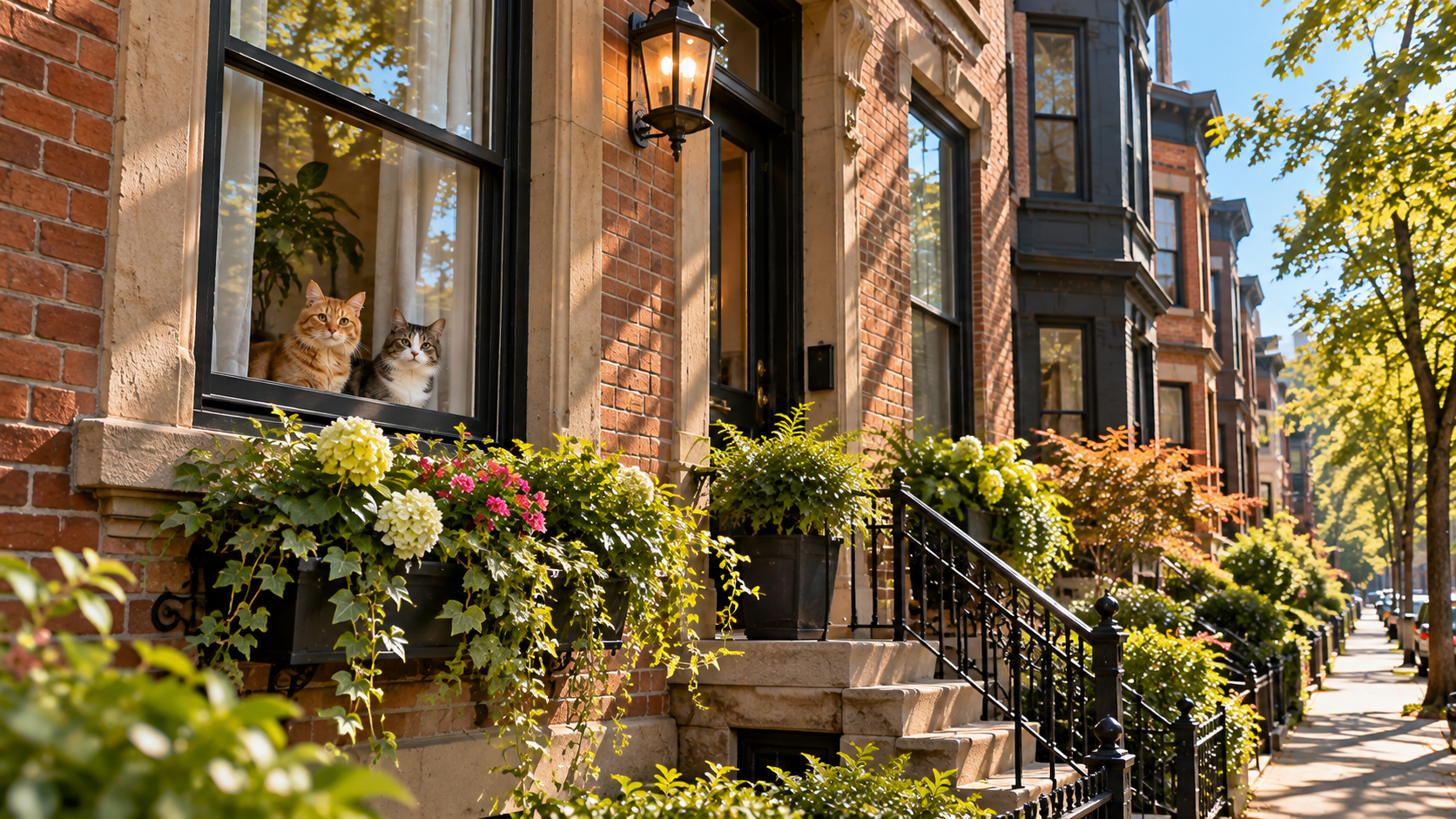
For renters with cats, Pittsburgh offers a wider range of options than you might expect. Cats are generally considered lower-risk pets by landlords, and many properties that restrict dogs still welcome cats. Understanding how pet screening works, what fees to expect, and which unit features matter most can help you find a comfortable home for you and your feline companion.
Why Cats Are Often Easier to Place
Landlords tend to view cats as lower-risk tenants compared to dogs. Cats are typically quieter, require less outdoor access, and are less likely to be involved in bite incidents or liability claims. As a result, many Pittsburgh properties that impose breed restrictions and weight limits on dogs accept cats without the same restrictions.
That said, some landlords still restrict cats. Common concerns include scratching damage to floors and trim, litter box odors, and allergies in adjacent units. Some properties prohibit cats entirely, though this is less common than dog restrictions.
Pet Screening for Cats
Many Pittsburgh landlords now use third-party pet screening services. These platforms evaluate pet-related risk and determine the deposit and monthly pet rent amounts. The screening process typically requires you to create a profile for each cat, upload vaccination records, and answer questions about your pet’s behavior and daily routine.
Some landlords charge a fee for pet screening, while others absorb the cost. If you have multiple cats, you will usually need a separate profile for each one. Providing complete and accurate information during screening helps avoid delays in the approval process.
Refer a tenant, get $100
Know someone looking for a house or apartment for rent in Pittsburgh? If they sign a lease with us, we pay you $100.
Fees and Deposits for Cats
Cat-related fees in Pittsburgh are generally lower than those for dogs, though they still add to the cost of renting.
One-time pet fees for cats typically range from $150 to $300 per cat. These fees are usually non-refundable.
Monthly pet rent for cats generally ranges from $25 to $50 per cat. Some landlords charge a single monthly fee for the household rather than per pet.
Pet deposits are sometimes required. Under Pennsylvania law, pet deposits are treated as security deposits and are subject to the same limits and return requirements. They are generally refundable if no damage occurs.
Pet limits usually cap the number of cats at two per apartment, though some properties allow more.
Unit Features That Work Well for Cats
When touring apartments, look for features that make living with a cat easier.
Windows with sills. Cats enjoy watching the outdoors. Windows with wide sills or adjacent furniture give your cat a comfortable vantage point.
Hard surface flooring. Cats scratch carpet and can stain it. Units with hardwood, luxury vinyl plank, or tile are easier to maintain and less likely to trigger deductions at move-out.
Space for a litter box. Litter boxes need a dedicated spot away from food and water. Look for a bathroom, laundry room, or large closet where the box can be placed without being in the way.
Secure windows and screens. Cats can push out loose screens. Check that window screens are secure and intact before signing a lease.
No floor-level vents or gaps. Cats can squeeze into small spaces. Check for gaps around cabinets, baseboards, or utility openings that could allow a cat to get stuck.
Room to climb. Cats benefit from vertical space. Units with high shelves, bookcases, or cat trees can accommodate their natural climbing behavior.
Presenting a Strong Application
Even though cats are often easier to place, a strong application still helps.
Provide vaccination records. Have current records showing rabies and distemper vaccinations. Some landlords also ask for proof of spay or neuter.
Offer a pet resume. A brief document with a photo, breed, age, and temperament notes helps landlords understand your cat. Include a reference from a previous landlord if available.
Agree to the pet addendum. Many landlords use pet addendums that outline rules about waste, damage, and noise. Review the terms before signing.
Consider renters insurance with pet coverage. While cats rarely cause liability issues, some renters insurance policies cover pet-related damage. Offering this coverage can reassure a landlord.
Keeping Your Cat and Your Deposit Safe
Once you move in, a few habits protect both your cat and your security deposit.
- Provide scratching posts. Cats scratch to mark territory and maintain their claws. Providing appropriate scratching surfaces reduces damage to furniture and trim.
- Use litter box mats. Mats catch tracked litter and reduce mess on floors.
- Clean litter boxes daily. Regular cleaning prevents odors and reduces the risk of complaints from neighbors.
- Keep claws trimmed. Trimming your cat’s claws reduces damage to screens, furniture, and carpets.
- Address scratching immediately. If your cat scratches a surface it should not, redirect it to an appropriate scratching post.
Assistance Animals
If your cat is a service animal or an emotional support animal, different rules apply. Landlords cannot charge pet fees or pet rent for assistance animals, and they cannot restrict assistance animals based on breed or weight. You may be asked to provide documentation from a healthcare provider for an emotional support animal, but you cannot be charged pet-related fees.
Key Takeaways
| Aspect | What to Expect |
|---|---|
| Pet screening | Often required through a third-party service |
| One-time pet fee | $150 to $300 per cat |
| Monthly pet rent | $25 to $50 per cat |
| Pet limit | Usually two cats per apartment |
| Best unit features | Hard flooring, window sills, space for litter box |
| Application tools | Vaccination records, pet resume, landlord reference |
Renting with a cat in Pittsburgh is generally more straightforward than renting with a dog. By understanding the screening process, budgeting for fees, and choosing a unit with cat-friendly features, you can find a comfortable home for you and your pet. A little preparation goes a long way toward a smooth tenancy.

Renting in the Pittsburgh area?
Ultrarix Capital Partners manages houses and apartments for rent across the Greater Pittsburgh area. Browse what is available now, or learn more about renting with us.
Browse available rentalsHouses and apartments for rent in Pittsburgh
Common questions about renting in Pittsburgh
How do I find houses and apartments for rent in Pittsburgh?
Start on our available rentals page, or see an overview of houses and apartments for rent in Pittsburgh. Tell us your budget and preferred neighborhoods and we will match you with homes that fit.
Which areas around Pittsburgh do you serve?
We cover the Greater Pittsburgh area, including city neighborhoods and nearby communities like Bellevue, McKees Rocks, Penn Hills, and Verona. The full list is on our homepage.
How do I apply for a rental?
Find a home you like on the rentals page and submit an application with your details, income, and rental history. We review it quickly and follow up with next steps.
Are utilities included?
We typically do not include utilities. For most rentals, electric, gas, water, and trash are the tenant's responsibility. Each listing notes anything that is included.
Do you allow pets?
Pet policies vary by property. Some rentals allow pets, sometimes with a deposit or monthly pet rent. Check the listing or ask us about a specific home.
Can I refer someone and get paid?
Yes. If you refer a tenant who signs a lease with us, we pay you $100. See our referral page for details.
How do I contact Ultrarix Capital Partners?
Call +1-650-254-6706 or email [email protected]. We are a Pittsburgh based property management company at 725 School St, McKees Rocks, PA 15136.