
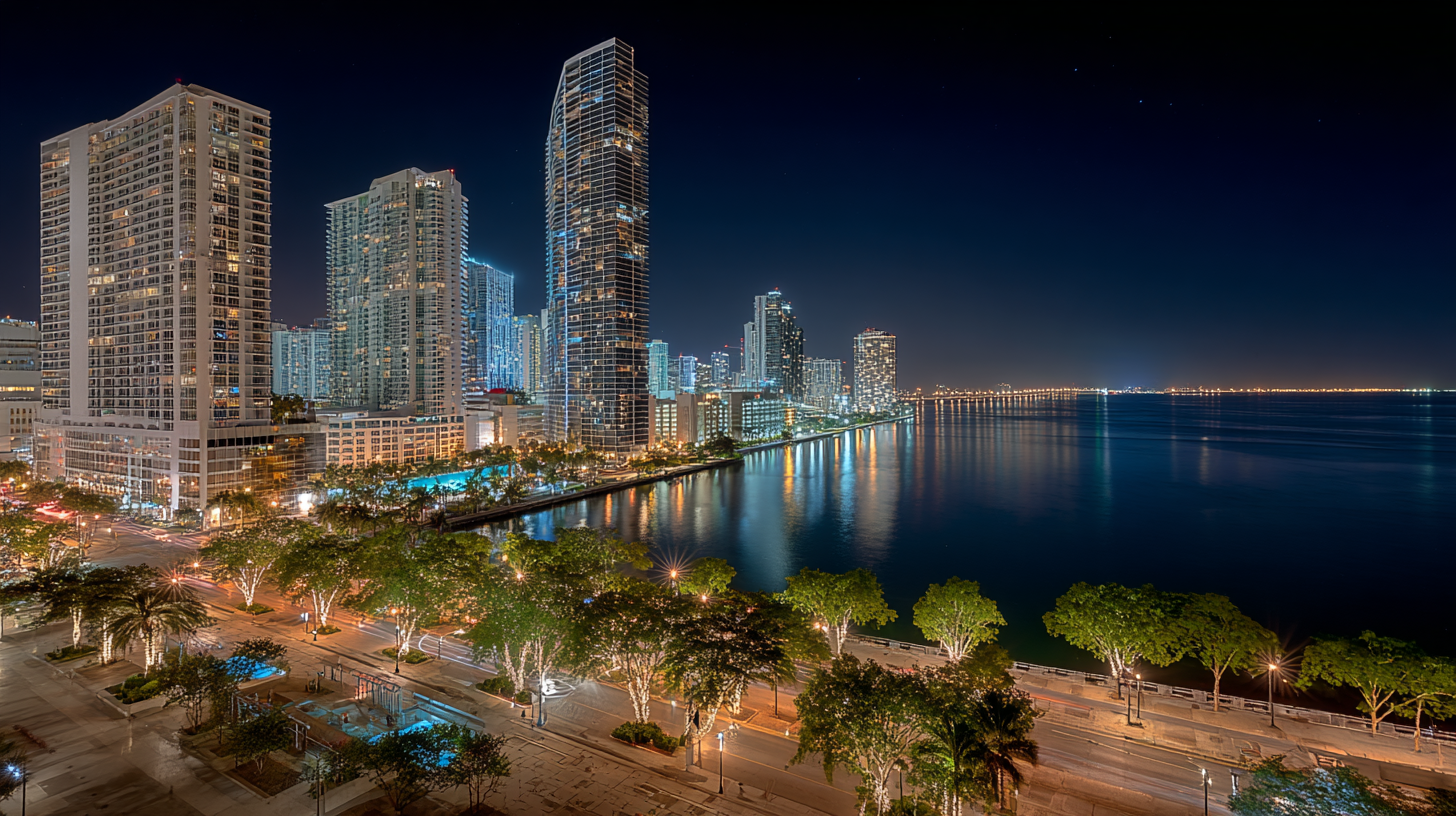
For renters considering a move to South Florida, Miami presents one of the most diverse and dynamic rental markets in the United States. With its tropical climate, international character, and position as a global hub for finance, trade, and culture, the Miami metropolitan area offers a wide range of rental options across distinct neighborhoods, each with its own character, price point, and lifestyle considerations.
Understanding the Miami rental market requires familiarity with its geography, from the urban density of Brickell and downtown to the waterfront communities of Miami Beach and the suburban areas of Kendall and Doral. This guide provides a practical breakdown of rental prices and neighborhoods to help renters make informed decisions about where to live in the Miami area.
Miami Rental Market Overview
The Miami rental market is characterized by significant variation in price based on location, proximity to water, and property type. As of recent data, the median rent for a one bedroom apartment in the Miami metropolitan area ranges from approximately $2,000 to $3,500 per month, depending on location. Two bedroom units typically range from $2,500 to $5,000 or more in premium areas.
Rental prices in Miami are influenced by several factors, including proximity to the waterfront, access to transit, and the desirability of specific neighborhoods. The highest concentrations of luxury rentals are found in Brickell, Miami Beach, and downtown, while more affordable options exist in the suburbs and areas farther from the coast.
Brickell: Urban Luxury and Financial District
Brickell has emerged as Miami’s primary urban center, combining a dense financial district with luxury residential towers, high end retail, and a vibrant dining scene. For renters seeking an urban lifestyle with walkability and modern amenities, Brickell represents the region’s most concentrated urban experience.
Refer a tenant, get $100
Know someone looking for a house or apartment for rent in Pittsburgh? If they sign a lease with us, we pay you $100.
Rental Prices
Brickell commands the highest rental rates in the Miami area. One bedroom apartments in luxury high rise buildings typically range from $2,800 to $4,500 per month, while two bedroom units range from $4,000 to $7,000 or more. Older buildings and less centrally located properties offer slightly lower rates, generally starting around $2,200 for one bedroom units.
Neighborhood Character
Brickell is defined by its skyline of residential and commercial towers. The neighborhood features a dense concentration of luxury apartments, many with resort style amenities including swimming pools, fitness centers, and concierge services. Brickell City Centre, a mixed use development, provides upscale shopping and dining within walking distance of residential towers. The area also offers access to the Metromover, Miami’s free downtown transit system, and the Metrorail for connections to other parts of the county.
Lifestyle Considerations
Brickell appeals to professionals working in the financial and corporate sectors, young renters seeking an urban environment, and those who value walkability and amenities. The neighborhood has a fast paced character with a concentration of restaurants, bars, and entertainment options. Parking is limited in many buildings, with monthly parking fees typically added to rent.
Downtown Miami: Historic Core and New Development
Downtown Miami, adjacent to Brickell, has undergone significant redevelopment over the past two decades. The area combines historic buildings with new residential towers, cultural institutions, and growing retail options.
Rental Prices
Rental rates in downtown Miami are slightly lower than Brickell but remain among the region’s highest. One bedroom apartments typically range from $2,400 to $3,800 per month, while two bedroom units range from $3,500 to $5,500. Newer luxury buildings command the highest rates, while older conversions offer more affordable options.
Neighborhood Character
Downtown Miami includes several distinct areas. The central business district features a mix of office buildings and residential towers. The Arts and Entertainment District, north of the central core, includes the Adrienne Arsht Center for the Performing Arts and a collection of newer residential developments. The area around Miami Dade College and the government center has a more civic character.
Lifestyle Considerations
Downtown appeals to renters who want urban living at slightly lower price points than Brickell. The area offers access to cultural institutions, the Metromover, and growing retail options. Some areas of downtown have less retail density than Brickell, requiring walking or transit for services.
Miami Beach: Waterfront Living
Miami Beach, located across Biscayne Bay from downtown, offers a distinct living environment defined by its oceanfront location, art deco architecture, and resort atmosphere. The area is divided into several distinct submarkets, each with its own character.
South Beach
South Beach, the southernmost part of Miami Beach, is known for its historic art deco district, oceanfront hotels, and vibrant nightlife. Rental rates in South Beach vary widely based on proximity to the ocean and property condition. One bedroom apartments typically range from $2,000 to $4,000 per month, with units in newer buildings or with ocean views commanding premium rates. Two bedroom units range from $3,000 to $6,000 or more.
South Beach appeals to renters who value waterfront living, walkability to beaches and nightlife, and the area’s distinctive character. The neighborhood has a dense, urban feel with limited parking and a high level of tourist activity.
Mid Beach and North Beach
Mid Beach, located between South Beach and North Beach, offers a slightly quieter residential character with access to beaches and newer residential developments. Rental rates are generally lower than South Beach, with one bedroom apartments ranging from $2,000 to $3,500 per month and two bedroom units ranging from $2,800 to $5,000.
North Beach, the northernmost section of Miami Beach, has a more residential, family oriented character with older apartment buildings and moderate rental rates. One bedroom units typically range from $1,800 to $2,800 per month, while two bedroom units range from $2,400 to $4,000.
Coral Gables: Historic Elegance
Coral Gables, located southwest of downtown Miami, is one of the region’s most established communities. Known for its historic architecture, tree lined streets, and the University of Miami campus, Coral Gables offers a distinct alternative to the urban density of Brickell and the waterfront atmosphere of Miami Beach.
Rental Prices
Rental rates in Coral Gables reflect the area’s desirability and established character. One bedroom apartments typically range from $2,000 to $3,000 per month, while two bedroom units range from $2,800 to $4,500. Properties near Miracle Mile, the city’s main commercial district, command premium rates. More affordable options can be found in areas farther from the commercial core.
Neighborhood Character
Coral Gables is defined by its Mediterranean Revival architecture, established neighborhoods, and the pedestrian friendly Miracle Mile commercial district. The city is home to the University of Miami, which contributes to the area’s cultural and intellectual atmosphere. The rental market includes a mix of older apartment buildings, converted homes, and newer luxury properties.
Lifestyle Considerations
Coral Gables appeals to renters who value established neighborhoods, walkable commercial districts, and a more residential character. The area provides convenient access to downtown Miami and Brickell via major thoroughfares. The University of Miami campus adds energy and amenities to the area.
Coconut Grove: Waterfront Village
Coconut Grove, located along Biscayne Bay south of Brickell, is one of Miami’s oldest neighborhoods. Known for its waterfront parks, sailing culture, and village atmosphere, Coconut Grove offers a distinct lifestyle combining urban convenience with a more relaxed character.
Rental Prices
Rental rates in Coconut Grove vary based on proximity to the waterfront and the property’s character. One bedroom apartments typically range from $2,200 to $3,500 per month, while two bedroom units range from $3,000 to $5,000. Properties with bay views or within walking distance of the waterfront command premium rates.
Neighborhood Character
Coconut Grove is defined by its waterfront setting, with parks like Kennedy Park and Peacock Park providing access to the bay. The village center, centered around Grand Avenue and Commodore Plaza, features a mix of locally owned shops, restaurants, and cafes. The rental market includes older apartment buildings, newer luxury properties, and some converted homes.
Lifestyle Considerations
Coconut Grove appeals to renters who value waterfront access, a village atmosphere, and a more relaxed pace than Brickell or South Beach. The area has a strong sense of community and hosts events such as the Coconut Grove Arts Festival. The location provides convenient access to downtown and Coral Gables.
Wynwood and Midtown: Arts and Culture
Wynwood and adjacent Midtown represent two of Miami’s most dynamic neighborhoods. Wynwood is known for its street art, galleries, and creative culture, while Midtown offers more traditional residential development with retail and dining options.
Rental Prices
Rental rates in Wynwood and Midtown have risen significantly as the areas have developed. One bedroom apartments typically range from $2,200 to $3,500 per month, while two bedroom units range from $3,000 to $5,000. Newer luxury buildings command the highest rates, while older properties and those farther from the core offer more affordable options.
Neighborhood Character
Wynwood’s defining feature is the Wynwood Walls and the concentration of galleries, studios, and creative businesses. The area has an industrial character with converted warehouses and new mixed use developments. Midtown, adjacent to Wynwood, offers more traditional residential buildings, a shopping center, and a growing collection of restaurants.
Lifestyle Considerations
Wynwood and Midtown appeal to renters seeking a creative, energetic environment with access to art, dining, and nightlife. The area has a younger demographic and a fast paced character. Parking can be challenging in Wynwood, with many residents relying on garages or street parking.
Doral: Suburban Convenience
Doral, located west of Miami International Airport, has developed into a significant suburban hub with a growing employment base, including the headquarters of several multinational corporations. The area offers a range of rental options with a more suburban character.
Rental Prices
Rental rates in Doral are generally lower than in Brickell, Miami Beach, and Coral Gables. One bedroom apartments typically range from $1,800 to $2,600 per month, while two bedroom units range from $2,400 to $3,500. Newer luxury apartment communities command the higher end of this range.
Neighborhood Character
Doral is characterized by master planned communities, commercial corridors, and a growing concentration of corporate offices. The area features a high concentration of apartment communities, many with resort style amenities including pools, fitness centers, and clubhouses. Downtown Doral, a mixed use development, provides retail and dining options within a walkable environment.
Lifestyle Considerations
Doral appeals to renters who work in the area’s corporate offices, as well as those seeking suburban living with convenient access to the airport and major highways. Car ownership is essential, as the area’s layout makes walking to most destinations impractical. The area has a diverse population with a significant international community.
Kendall and West Kendall: Affordable Suburbs
Kendall, located southwest of downtown Miami, and West Kendall offer more affordable rental options with a suburban character. These areas have developed as bedroom communities with extensive residential development, shopping centers, and schools.
Rental Prices
Kendall offers some of the more affordable rental rates in the Miami area. One bedroom apartments typically range from $1,600 to $2,200 per month, while two bedroom units range from $2,000 to $2,800. Older garden style complexes provide the most affordable options, while newer developments command higher rates.
Neighborhood Character
Kendall is characterized by suburban development with garden style apartment complexes, townhome communities, and single family homes. The area has extensive retail along major thoroughfares, including The Falls shopping center and numerous grocery stores and restaurants. The rental market consists primarily of garden style complexes, many built from the 1970s through the 1990s.
Lifestyle Considerations
Kendall appeals to renters seeking affordable suburban living, particularly families and those who work in the area or in South Dade. Car ownership is essential, as the area’s layout is designed for automobile access. The commute to downtown Miami and Brickell can be significant, particularly during peak hours.
Comparing Miami Rental Areas
For renters considering options across the Miami area, understanding the trade offs between different locations helps clarify priorities.
Urban Versus Suburban
Brickell, downtown, and South Beach offer the most urban experience with walkability, transit access, and concentration of dining and entertainment, but command premium rental rates. Suburban areas like Kendall, Doral, and parts of Coral Gables offer more space and lower rents but require car ownership for most activities.
Waterfront Considerations
Properties with water views or beach access command significant premiums in the Miami market. Renters should consider whether the premium for waterfront living aligns with their priorities or whether inland locations offer better value.
Commute Patterns
Miami’s traffic patterns significantly affect quality of life. Renters should consider commute times to employment centers when selecting a location. Areas with access to Metrorail or convenient highway connections can reduce commuting stress.
Practical Considerations for Miami Renters
Before selecting a rental property in Miami, potential residents should consider several practical factors that distinguish the area.
Parking
Parking is a significant consideration in Miami’s urban areas. Many buildings in Brickell, downtown, and Miami Beach charge monthly parking fees ranging from $50 to $200 or more. Renters should factor these costs into their housing budget and confirm parking availability before signing a lease.
Flood Zones and Insurance
Miami’s coastal location means that some areas are designated flood zones. Renters should understand their property’s flood risk and, for renters insurance, whether flood coverage is recommended. Landlords typically carry building insurance, but renters should verify what is covered.
Hurricane Preparedness
Miami is subject to hurricane risk. Renters should understand their building’s hurricane preparedness, including whether windows are impact rated or have shutters. Having a plan for hurricane season, including evacuation routes and supply provisions, is advisable.
Seasonal Variations
Miami experiences seasonal variations in population, particularly during winter months when snowbirds from northern states arrive. This can affect traffic patterns and, in some areas, rental availability. Renters should consider how seasonal fluctuations might affect daily life.
Making the Decision
Miami’s rental market offers options for a wide range of lifestyles and budgets. For renters who prioritize urban walkability and luxury amenities, Brickell and downtown provide distinctive environments. For those seeking waterfront living, Miami Beach and Coconut Grove offer unique settings. For renters focused on affordability and suburban convenience, Doral, Kendall, and other suburbs provide practical options.
By defining priorities around commute, lifestyle, and budget, renters can navigate the Miami market and find a location that meets their needs. Visiting neighborhoods during different times of day, experiencing the commute to employment centers, and understanding the practical considerations of Miami living help ensure that the chosen area aligns with daily life expectations.

Renting in the Pittsburgh area?
Ultrarix Capital Partners manages houses and apartments for rent across the Greater Pittsburgh area. Browse what is available now, or learn more about renting with us.
Browse available rentalsHouses and apartments for rent in Pittsburgh
Common questions about renting in Pittsburgh
How do I find houses and apartments for rent in Pittsburgh?
Start on our available rentals page, or see an overview of houses and apartments for rent in Pittsburgh. Tell us your budget and preferred neighborhoods and we will match you with homes that fit.
Which areas around Pittsburgh do you serve?
We cover the Greater Pittsburgh area, including city neighborhoods and nearby communities like Bellevue, McKees Rocks, Penn Hills, and Verona. The full list is on our homepage.
How do I apply for a rental?
Find a home you like on the rentals page and submit an application with your details, income, and rental history. We review it quickly and follow up with next steps.
Are utilities included?
We typically do not include utilities. For most rentals, electric, gas, water, and trash are the tenant's responsibility. Each listing notes anything that is included.
Do you allow pets?
Pet policies vary by property. Some rentals allow pets, sometimes with a deposit or monthly pet rent. Check the listing or ask us about a specific home.
Can I refer someone and get paid?
Yes. If you refer a tenant who signs a lease with us, we pay you $100. See our referral page for details.
How do I contact Ultrarix Capital Partners?
Call +1-650-254-6706 or email [email protected]. We are a Pittsburgh based property management company at 725 School St, McKees Rocks, PA 15136.