
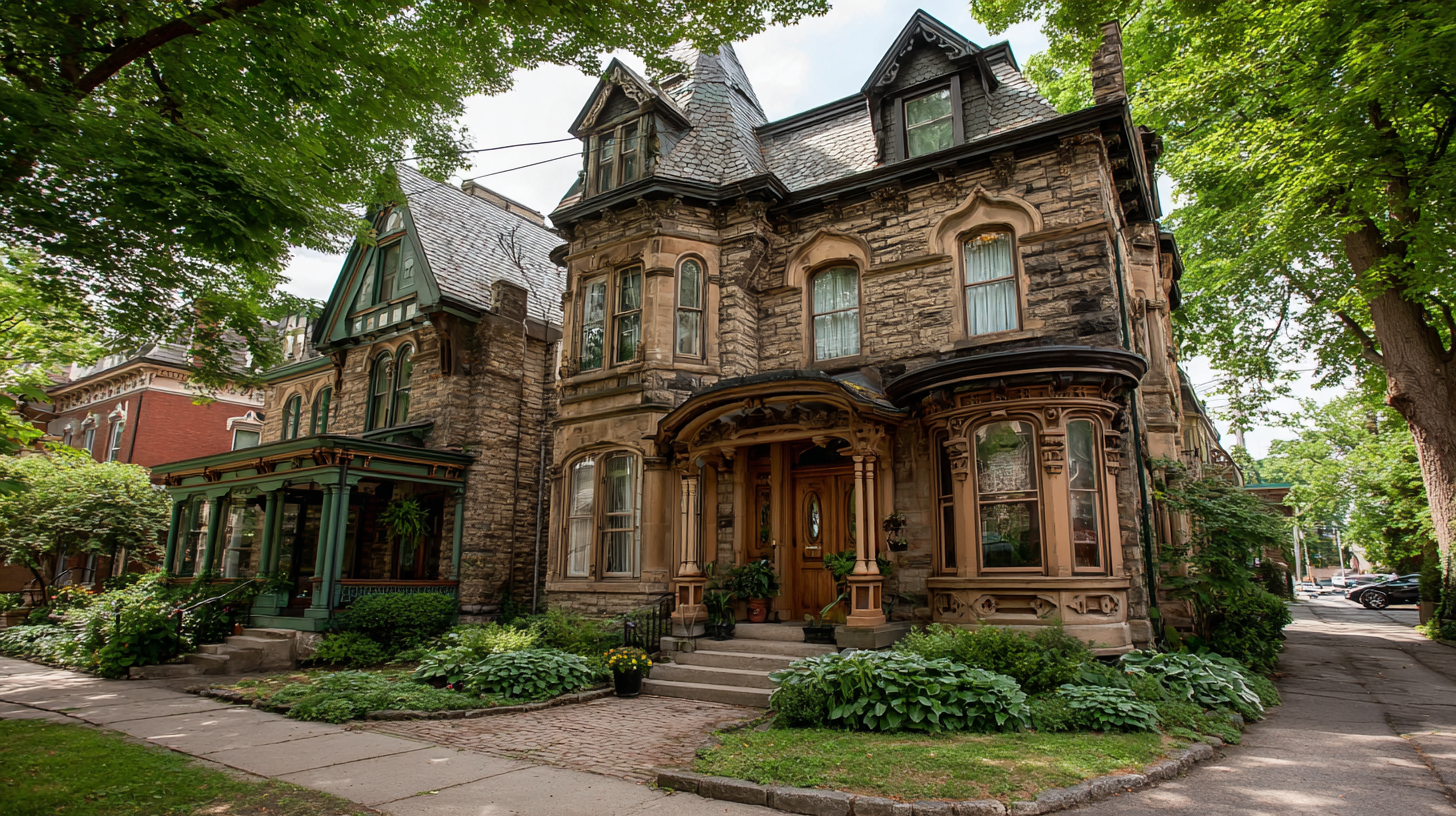
For renters seeking a combination of walkable neighborhoods, architectural character, and proximity to the city’s major employment centers, the East End of Pittsburgh stands as one of the region’s most desirable rental markets. This collection of neighborhoods east of downtown offers a density of housing options, commercial districts, and cultural institutions that create a distinct urban living experience unmatched in other parts of the city.
The East End encompasses several distinct neighborhoods, each with its own character, price point, and lifestyle considerations. From the elegant streets of Shadyside to the family friendly atmosphere of Squirrel Hill, this guide explores the rental options across this vibrant part of Pittsburgh.
The East End Overview
The East End is defined by its location east of downtown, its historic development patterns, and its role as a hub for education, healthcare, and culture. The area is home to the University of Pittsburgh, Carnegie Mellon University, and several of the city’s major medical institutions, which influence the rental market and contribute to its vitality.
Commute and Transportation
One of the primary advantages of East End living is accessibility. The area is well served by the Port Authority’s bus system, with frequent service to downtown, Oakland, and other destinations. For drivers, the East End’s location provides access to the Parkway East and several major thoroughfares. Many residents find they can manage with one car or no car at all, particularly if they work in the area.
Rental Market Characteristics
The East End rental market is characterized by diversity. Renters will find historic pre-war buildings with large rooms and original details, converted homes offering unique layouts, and newer apartment buildings with modern amenities. Prices vary significantly by neighborhood and property type, generally correlating with walkability and proximity to commercial districts.
Refer a tenant, get $100
Know someone looking for a house or apartment for rent in Pittsburgh? If they sign a lease with us, we pay you $100.
Shadyside: Classic Elegance and Urban Convenience
Shadyside remains one of Pittsburgh’s most sought after neighborhoods for renters who value walkability and architectural character. Located just east of the city center, this neighborhood combines tree lined streets with a dense concentration of shops, restaurants, and services.
Rental Housing Stock
The housing options in Shadyside are notably diverse. The area features many large Victorian and Colonial Revival homes that have been converted into multi unit apartment buildings. These units often retain original woodwork, stained glass windows, and generous room proportions. Alongside these historic conversions, renters will find modern luxury apartment buildings near the intersection of Walnut Street and Ellsworth Avenue, offering amenities such as fitness centers and rooftop terraces.
The rental inventory includes studios, one bedroom, and two bedroom units, with some larger apartments available in converted homes. Parking is a consideration in Shadyside, with many older buildings offering limited or no off street parking.
Walkability and Lifestyle
Shadyside excels in providing a pedestrian friendly environment. The Walnut Street commercial corridor hosts a mix of national retailers and local boutiques, while Ellsworth Avenue offers a concentration of restaurants and cafes. For renters, this means daily errands and entertainment are often within walking distance. The neighborhood also has access to bus lines that provide direct service to downtown and Oakland.
Rental Prices
Shadyside commands rental rates among the higher in the city. One bedroom apartments typically range from $1,400 to $2,200 per month, while two bedroom units range from $1,800 to $3,000. Luxury apartments in newer buildings fall at the higher end of these ranges, while units in older buildings may offer more moderate rates.
Considerations
The convenience of Shadyside comes with trade offs. Street parking can be competitive, and many older buildings do not offer dedicated off street parking. Renters should factor in the cost of a parking permit or a monthly garage rental if they own a vehicle. The demographic skews toward professionals, medical residents, and graduate students affiliated with nearby universities and hospitals.
Squirrel Hill: Family Friendly with Strong Community
Squirrel Hill, located east of Shadyside, offers a distinct character that appeals to families and long term residents. The neighborhood is divided into Squirrel Hill North and Squirrel Hill South, with the commercial corridor along Forbes and Murray Avenues serving as the community’s heart.
Rental Housing Stock
The rental market in Squirrel Hill includes a mix of apartment buildings and converted homes. The neighborhood features many older buildings with character details such as hardwood floors and bay windows. Along the commercial corridors, newer apartment buildings offer modern amenities and convenient access to shops and restaurants.
Squirrel Hill has a higher concentration of larger apartments than some other East End neighborhoods, with two and three bedroom units being common. This makes the neighborhood particularly attractive for families and roommates.
Walkability and Lifestyle
Squirrel Hill’s commercial district is one of Pittsburgh’s most vibrant and self sufficient. Forbes and Murray Avenues feature a dense concentration of grocery stores, restaurants, shops, and services, making it possible to accomplish nearly all daily errands on foot. The neighborhood also has a strong sense of community, with established institutions, houses of worship, and community events that create continuity.
Rental Prices
Rental rates in Squirrel Hill are generally comparable to Shadyside, though prices vary by location. One bedroom apartments typically range from $1,200 to $1,800 per month, while two bedroom units range from $1,600 to $2,500. Larger units and properties closer to the commercial corridor command premium rates.
Considerations
Squirrel Hill’s popularity means that rental inventory can be competitive, particularly for larger units and properties in prime locations. Parking can be challenging in areas close to the commercial district, though many buildings offer off street parking options. The neighborhood attracts a mix of families, graduate students, and professionals, creating a diverse community character.
Oakland: Student and Professional Hub
Oakland, home to the University of Pittsburgh, Carnegie Mellon University, and UPMC, is the educational and medical heart of Pittsburgh. The neighborhood’s rental market is heavily influenced by its role as a center for students, medical residents, and university employees.
Rental Housing Stock
The rental market in Oakland is the largest in the East End, with a wide range of housing options. Renters will find everything from large apartment buildings near the university campuses to converted homes in the residential areas. The housing stock includes many older buildings with smaller units designed for student occupancy, as well as newer luxury apartments that have been developed in recent years.
Oakland is divided into several distinct areas. Central Oakland, closest to the universities, has the highest density of student housing. South Oakland offers a more residential character with a mix of students and long term residents. North Oakland includes properties near the medical center and the Carnegie Museums.
Walkability and Lifestyle
Oakland is one of Pittsburgh’s most walkable neighborhoods. The area around Forbes Avenue and Fifth Avenue features a dense concentration of restaurants, cafes, and services oriented toward the student and professional population. The neighborhood is also home to major cultural institutions, including the Carnegie Museums, the Carnegie Library, and the Phipps Conservatory.
Rental Prices
Rental rates in Oakland vary significantly by location and property type. Student oriented apartments in Central Oakland range from $900 to $1,500 for one bedroom units, with shared houses offering individual rooms at lower rates. Newer luxury apartments command higher rates, typically $1,500 to $2,200 for one bedroom units.
Considerations
Oakland’s character is shaped by its transient population. The neighborhood has a high concentration of students, which influences the social atmosphere and the rental cycle, with leases often aligning with the academic calendar. Parking is challenging in much of Oakland, and many residents rely on public transit or walking for daily travel. Noise levels can be higher than in other East End neighborhoods, particularly near the university campuses.
Point Breeze: Residential Character with Historic Homes
Point Breeze, located east of Shadyside and north of Squirrel Hill, offers a more residential character than its neighbors. The neighborhood is known for its large historic homes, tree lined streets, and quieter atmosphere.
Rental Housing Stock
The rental market in Point Breeze consists primarily of converted historic homes and smaller apartment buildings. The neighborhood has fewer large apartment complexes than other parts of the East End, and rental units are often found in the area’s distinctive homes. These properties typically offer generous square footage, historic details, and private outdoor space.
Walkability and Lifestyle
Point Breeze is less commercially developed than Shadyside or Squirrel Hill, but it offers convenient access to the commercial corridors of its neighbors. The neighborhood is within walking distance of Squirrel Hill’s shops and restaurants, and the East End’s transit network provides connections to other areas. Point Breeze has a quiet, residential character that appeals to renters seeking a more relaxed environment while maintaining proximity to urban amenities.
Rental Prices
Rental rates in Point Breeze are generally moderate compared to Shadyside and Squirrel Hill. One bedroom apartments typically range from $1,100 to $1,600 per month, while two bedroom units range from $1,500 to $2,200. Larger units in converted homes may command higher rates.
Considerations
Point Breeze’s residential character means that rental inventory is more limited than in the larger East End neighborhoods. Renters should allow time in their search and be prepared to act when suitable properties become available. Car ownership is more practical in Point Breeze than in denser neighborhoods, with off street parking more common.
East Liberty: Revitalization and New Development
East Liberty has undergone significant transformation over the past decade, evolving from a struggling commercial district into one of Pittsburgh’s most dynamic neighborhoods. The area has seen substantial investment in new housing, retail, and infrastructure.
Rental Housing Stock
The rental market in East Liberty is characterized by new construction and renovation. The neighborhood has seen the development of several luxury apartment buildings with modern amenities, as well as the renovation of historic buildings into contemporary apartments. Alongside these new developments, the area retains older housing stock that offers more moderate rental rates.
Walkability and Lifestyle
East Liberty’s commercial district has been revitalized with a concentration of retail, dining, and entertainment options. The area features a grocery store, a cinema, and a growing collection of restaurants and shops. The East Liberty busway provides rapid transit access to downtown and other parts of the city, making the neighborhood well connected.
Rental Prices
Rental rates in East Liberty reflect the neighborhood’s recent development and increasing desirability. One bedroom apartments in new luxury buildings typically range from $1,500 to $2,200 per month, while two bedroom units range from $2,000 to $3,000. Older buildings and properties farther from the commercial core offer more moderate rates, generally starting around $1,000 for one bedroom units.
Considerations
East Liberty’s transformation has brought new amenities and investment, but the neighborhood continues to evolve. Renters should consider the stage of development in their specific area. Parking is available in many new buildings, often with monthly fees, while street parking can be competitive in the commercial district.
Comparing East End Neighborhoods
For renters considering options across the East End, understanding the trade offs between different neighborhoods helps clarify priorities.
Urban Density Versus Residential Character
Shadyside, Oakland, and East Liberty offer the highest density of commercial activity and the most urban experience. Squirrel Hill provides a balance of walkable amenities and residential character. Point Breeze offers a quieter, more residential environment while maintaining proximity to the amenities of its neighbors.
Price Considerations
Rental rates generally follow a pattern, with Shadyside and Squirrel Hill commanding the highest prices, followed by East Liberty’s new developments, then Point Breeze, with Oakland offering a wide range from student housing to luxury apartments. Renters should consider not only monthly rent but also associated costs such as parking fees and transportation expenses.
Lifestyle Fit
The choice of rental area should align with daily routines. Renters who value walkable commercial districts and urban energy should focus on Shadyside, Squirrel Hill, or East Liberty. Students and those affiliated with universities may prioritize Oakland. Renters seeking a quieter residential character may prefer Point Breeze.
Practical Considerations for East End Renters
Before selecting a rental property in the East End, potential residents should consider several practical factors that distinguish the area.
Parking
Parking is a significant consideration in the East End. Many older buildings have limited or no off street parking, and street parking can be competitive in dense neighborhoods. Renters with vehicles should confirm parking availability and factor monthly parking costs into their budget. Some buildings offer off street parking for a monthly fee.
Transit Access
The East End is well served by public transit, with bus lines connecting to downtown, Oakland, and other destinations. The East Liberty busway provides rapid transit service. For renters who work in downtown or Oakland, relying on transit can reduce transportation costs and eliminate parking expenses.
Seasonal Considerations
Pittsburgh’s weather affects daily life in the East End. Snow removal, winter parking regulations, and walking conditions during winter months are considerations for renters, particularly those who rely on street parking or walking for errands.
Making the Decision
The East End offers some of Pittsburgh’s most desirable rental options, with neighborhoods that cater to a range of lifestyles and budgets. For renters who want a walkable urban environment with access to amenities, Shadyside and Squirrel Hill provide established options. For those seeking new development and revitalization, East Liberty offers modern living. For students and those affiliated with universities, Oakland provides proximity to campus. For renters prioritizing residential character, Point Breeze offers a quieter alternative.
By defining priorities around commute, lifestyle, and budget, renters can navigate the East End’s diverse neighborhoods and find a location that meets their needs. Visiting neighborhoods during different times of day and experiencing the commute to employment centers helps ensure that the chosen area aligns with daily life expectations.

Renting in the Pittsburgh area?
Ultrarix Capital Partners manages houses and apartments for rent across the Greater Pittsburgh area. Browse what is available now, or learn more about renting with us.
Browse available rentalsHouses and apartments for rent in Pittsburgh
Common questions about renting in Pittsburgh
How do I find houses and apartments for rent in Pittsburgh?
Start on our available rentals page, or see an overview of houses and apartments for rent in Pittsburgh. Tell us your budget and preferred neighborhoods and we will match you with homes that fit.
Which areas around Pittsburgh do you serve?
We cover the Greater Pittsburgh area, including city neighborhoods and nearby communities like Bellevue, McKees Rocks, Penn Hills, and Verona. The full list is on our homepage.
How do I apply for a rental?
Find a home you like on the rentals page and submit an application with your details, income, and rental history. We review it quickly and follow up with next steps.
Are utilities included?
We typically do not include utilities. For most rentals, electric, gas, water, and trash are the tenant's responsibility. Each listing notes anything that is included.
Do you allow pets?
Pet policies vary by property. Some rentals allow pets, sometimes with a deposit or monthly pet rent. Check the listing or ask us about a specific home.
Can I refer someone and get paid?
Yes. If you refer a tenant who signs a lease with us, we pay you $100. See our referral page for details.
How do I contact Ultrarix Capital Partners?
Call +1-650-254-6706 or email [email protected]. We are a Pittsburgh based property management company at 725 School St, McKees Rocks, PA 15136.