
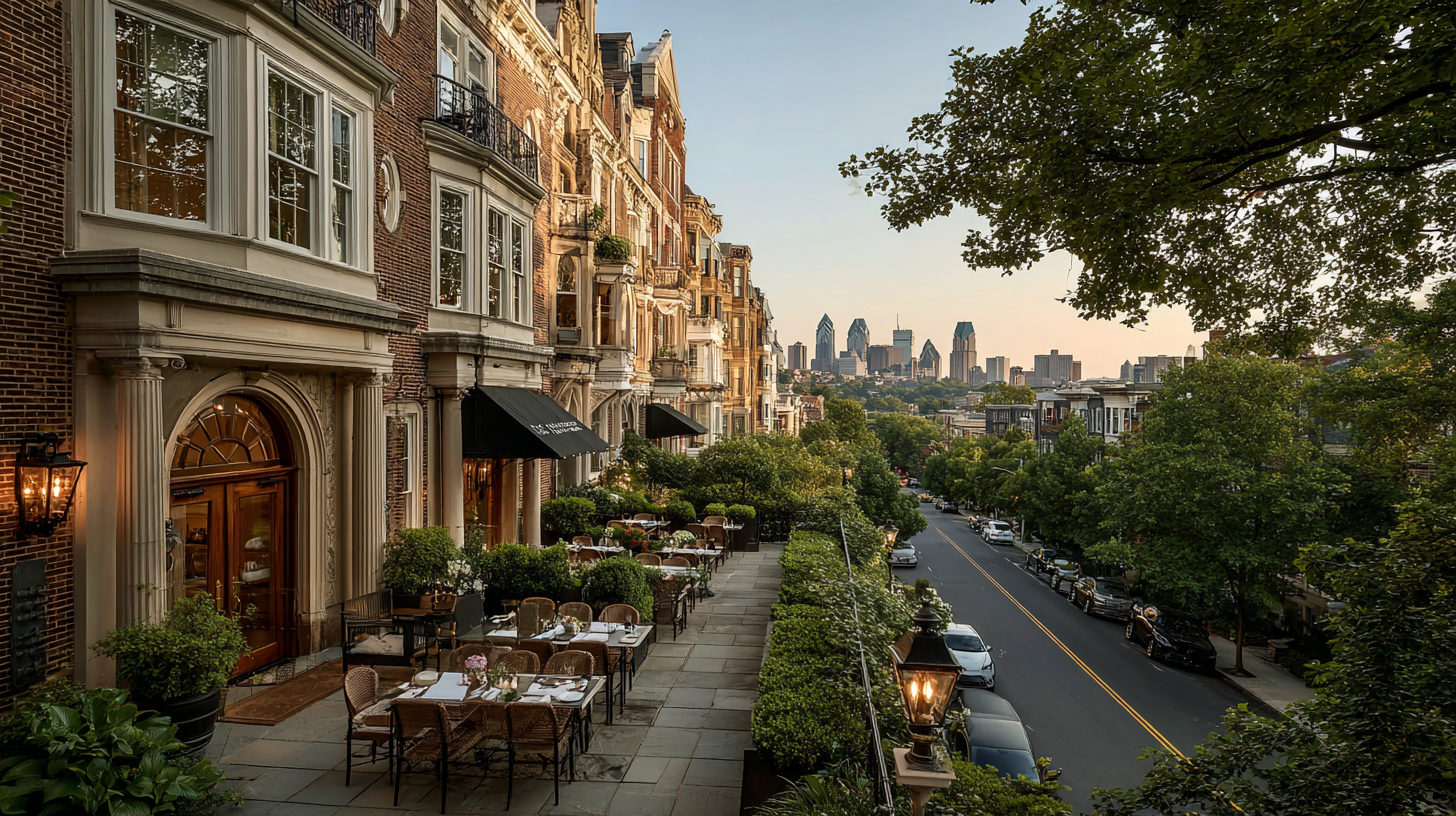
For many renters, the ideal living situation goes beyond the apartment itself. Proximity to grocery stores, restaurants, coffee shops, and retail can significantly affect daily life, reducing time spent in the car and making errands and entertainment more accessible. In Pittsburgh, a city defined by its distinct neighborhoods, the convenience of having amenities within walking distance or a short drive varies greatly by location.
This guide highlights Pittsburgh neighborhoods and suburbs where renters can find apartments close to quality shopping and dining. From walkable urban districts with dense concentrations of restaurants to suburban areas with easy access to major retail corridors, these locations offer convenience as a central part of daily life.
What Makes a Location Convenient
Before examining specific areas, it helps to define what makes a location convenient for shopping and dining. For some renters, convenience means being able to walk to a grocery store and a few restaurants. For others, it means living within a short drive of a major shopping center with a range of options. The best fit depends on individual preferences and tolerance for driving versus walking.
Walkability
Neighborhoods with high walkability scores allow residents to accomplish errands and enjoy dining without getting in a car. These areas typically have a central commercial district with a mix of services within a half mile radius.
Retail Corridor Access
Some areas lack a concentrated walkable district but offer quick access to major retail corridors. For renters who prefer driving to errands and value having a wide range of options within a few minutes, these locations provide convenience.
Refer a tenant, get $100
Know someone looking for a house or apartment for rent in Pittsburgh? If they sign a lease with us, we pay you $100.
Transit Connections
For renters who rely on public transit, proximity to bus lines or the T light rail that connect to shopping areas is a significant factor. Some neighborhoods offer the ability to reach retail and dining without a car through transit.
City Neighborhoods with Walkable Shopping and Dining
Shadyside: Boutiques and Restaurants Along Walnut Street
Shadyside remains one of Pittsburgh’s premier destinations for shopping and dining within a walkable environment. The neighborhood’s commercial heart is Walnut Street, a pedestrian friendly corridor lined with boutiques, national retailers, and restaurants. Ellsworth Avenue offers a secondary commercial district with a concentration of cafes and dining options.
Renters in Shadyside can choose from a range of apartment types, including historic converted homes and modern luxury buildings. The neighborhood’s walkability means that daily errands and entertainment are often accessible on foot. A grocery store, pharmacy, banks, and a variety of dining options are all within walking distance of many residences.
One bedroom apartments in Shadyside typically range from $1,400 to $2,200 per month, with premium rates for properties closest to the commercial district. The neighborhood attracts professionals, medical residents, and graduate students who value the convenience of walkable amenities.
Squirrel Hill: A Self-Sufficient Commercial District
Squirrel Hill’s commercial district along Forbes and Murray Avenues is one of Pittsburgh’s most complete and self-sufficient. The area features a dense concentration of grocery stores, including a large kosher market, a pharmacy, banks, and a wide variety of restaurants ranging from casual to upscale.
For renters, living in Squirrel Hill means having access to nearly all daily needs within walking distance. The neighborhood has a mix of apartment buildings and converted homes, with a higher concentration of larger units suitable for families. One bedroom apartments typically range from $1,200 to $1,800 per month, while two bedroom units range from $1,600 to $2,500.
Squirrel Hill’s commercial district has a strong sense of community, with established businesses and community events that create a neighborhood feel. The area attracts families, graduate students, and professionals who value self-sufficient amenities.
Lawrenceville: Butler Street’s Dining Destination
Lawrenceville has evolved into one of Pittsburgh’s premier dining destinations, with Butler Street serving as the neighborhood’s main artery. The street is lined with independently owned restaurants, coffee shops, bars, and boutiques, creating a vibrant atmosphere that draws residents and visitors alike.
The rental market in Lawrenceville includes a mix of converted industrial buildings, renovated row houses, and newer apartment developments. The neighborhood is divided into Lower, Central, and Upper sections, each with its own character. Rental rates vary by location, with one bedroom apartments typically ranging from $1,300 to $2,000 per month.
Lawrenceville appeals to renters who prioritize dining and nightlife options within walking distance. The neighborhood has a younger demographic, including artists, tech workers, and entrepreneurs drawn to its energetic character.
Strip District: Terminal Market and Specialty Retail
The Strip District has transformed from a wholesale produce terminal into a unique commercial and residential destination. The neighborhood’s main corridor along Penn Avenue and Smallman Street features specialty food markets, restaurants, and retail that draw visitors from across the region. The newly developed Terminal building adds additional dining and shopping options.
Recent residential development has brought new apartment buildings to the Strip District, making it possible to live within walking distance of its amenities. One bedroom apartments in these newer buildings typically range from $1,700 to $2,300 per month.
The Strip District appeals to renters who want to be close to downtown and value access to unique food markets, specialty retailers, and a growing restaurant scene. The neighborhood has a distinct character rooted in its industrial history.
South Side Flats: East Carson Street’s Active Corridor
The South Side Flats are defined by East Carson Street, one of Pittsburgh’s most active commercial corridors. The street features a dense concentration of bars, restaurants, and shops that create a lively atmosphere, particularly on weekends.
The rental market in the South Side Flats includes a mix of converted historic buildings and newer apartment developments. The neighborhood offers a range of housing options, from affordable studios to luxury units with river views. One bedroom apartments typically range from $1,200 to $1,800 per month.
The South Side Flats appeal to renters who value an active social scene and want dining and entertainment options within walking distance. The neighborhood has a younger demographic and a fast paced character.
Downtown: Urban Convenience at Your Doorstep
Downtown Pittsburgh offers the ultimate in convenience for those who work in the city center and want shopping and dining at their doorstep. The area has seen significant investment in retail and dining, with Market Square serving as a gathering place with restaurants and seasonal events. The Cultural District adds theaters and performance venues.
Renters in downtown can choose from high rise apartment buildings with amenities such as fitness centers, rooftop terraces, and concierge services. One bedroom apartments typically range from $1,800 to $2,500 per month.
Downtown living appeals to professionals who work in the central business district and value the convenience of walking to work, dining, and entertainment. Parking is an additional expense for those who own vehicles.
Suburban Areas with Convenient Retail Access
Ross Township: McKnight Road Retail Corridor
Ross Township serves as a retail hub for the North Hills, with McKnight Road functioning as the primary commercial corridor. The area features a dense concentration of big box stores, grocery chains, and service businesses. Ross Park Mall adds department stores and additional dining options.
The rental market in Ross Township consists primarily of garden style apartment complexes and townhome communities. One bedroom apartments typically range from $1,100 to $1,500 per month. For renters, this means daily errands such as grocery shopping, pharmacy visits, and home goods purchases can be accomplished with short drives.
Ross Township appeals to renters who prioritize convenience and value having a wide range of retail options within a few minutes of home. Car ownership is essential, as the suburban layout makes walking to most destinations impractical.
Bethel Park: South Hills Village and Retail Corridors
Bethel Park offers convenient access to South Hills Village, one of the region’s major shopping destinations. The mall features department stores, national retail chains, and dining options. The surrounding area includes additional retail along Route 19 and Library Road, with grocery stores, pharmacies, and service businesses.
The rental market in Bethel Park includes garden style apartment complexes and townhome communities, with one bedroom apartments typically ranging from $1,100 to $1,600 per month. The T light rail provides transit connections to downtown and also serves South Hills Village.
Bethel Park appeals to families and professionals who want suburban living with easy access to retail. The area offers a balance of residential character and shopping convenience.
Cranberry Township: Regional Retail Hub
Cranberry Township has developed into a regional retail destination, with the intersection of Route 19 and Route 228 featuring a dense concentration of big box stores, grocery chains, and restaurants. The area offers nearly every retail option a resident might need within a short drive.
The rental market in Cranberry Township is characterized by new construction and modern amenities. Luxury apartment communities dominate, with one bedroom apartments typically ranging from $1,400 to $2,000 per month. For renters, this means living in a community with extensive retail at their doorstep.
Cranberry Township appeals to renters who value modern amenities and want comprehensive shopping options close to home. The area has also developed as an employment center, with corporate offices along the Route 228 corridor.
Mt. Lebanon: Uptown’s Walkable Commercial District
Mt. Lebanon offers a unique combination of suburban residential character with a walkable commercial district. Uptown, the township’s central business district along Washington Road, features a concentration of locally owned shops, restaurants, and services. A grocery store, pharmacy, banks, and a variety of dining options are all located within this compact, pedestrian friendly area.
The rental market in Mt. Lebanon includes apartment buildings, converted homes, and newer developments. One bedroom apartments typically range from $1,400 to $2,200 per month, with premiums for properties within walking distance of Uptown.
Mt. Lebanon appeals to renters who want the convenience of walkable amenities combined with excellent schools and a well planned suburban environment. The T light rail provides transit access to downtown.
Dormont: West Liberty Avenue Commercial District
Dormont offers one of the most walkable commercial districts in the South Hills. West Liberty Avenue features a full service grocery store, pharmacy, banks, and a variety of dining options within walking distance for many residents. The Potomac Avenue commercial district adds additional dining and local businesses.
The rental market in Dormont includes apartment buildings, converted homes, and duplexes, with one bedroom apartments typically ranging from $900 to $1,300 per month. The T light rail provides convenient access to downtown and connections to other retail areas.
Dormont appeals to renters who want walkable amenities at affordable rates. The borough’s dense, urban feel and transit access make it a practical choice for those who value convenience.
Areas with Emerging Retail and Dining
East Liberty: Revitalized Commercial District
East Liberty has undergone significant transformation, with its commercial district along Penn Avenue and Highland Avenue now featuring a grocery store, a cinema, and a growing collection of restaurants and shops. The area has become a dining destination with several acclaimed restaurants.
The rental market in East Liberty includes new luxury apartment buildings and renovated historic properties. One bedroom apartments in new buildings typically range from $1,500 to $2,200 per month, while older properties offer more moderate rates.
East Liberty appeals to renters who want to be part of a revitalizing neighborhood with growing amenities. The East Liberty busway provides rapid transit connections to downtown and other parts of the city.
Bakery Square: Mixed-Use Development
Bakery Square, located in Larimer at the border of East Liberty and Shadyside, is a mixed-use development that combines retail, dining, office space, and residential units. The development features a grocery store, several restaurants, and retail within a pedestrian friendly environment.
The rental market at Bakery Square consists of luxury apartments with modern finishes and amenities. One bedroom apartments typically range from $1,600 to $2,200 per month. The development appeals to renters who value the convenience of having amenities within their residential complex.
Comparing Convenience Options
For renters considering their options, understanding the trade offs between different types of convenience helps clarify priorities.
Walkable Urban Versus Driveable Suburban
Walkable urban neighborhoods like Shadyside, Squirrel Hill, Lawrenceville, and Dormont allow residents to accomplish errands and enjoy dining without a car. These areas typically command higher rental rates per square foot but reduce transportation costs and time spent driving. Suburban areas like Ross Township, Bethel Park, and Cranberry Township offer easy access to retail but require car ownership for nearly all errands.
Grocery Store Access
For many renters, proximity to a grocery store is a primary convenience factor. Neighborhoods with full service grocery stores within walking distance include Shadyside, Squirrel Hill, Dormont, Mt. Lebanon, and East Liberty. Suburban areas have grocery stores within a short drive.
Dining Variety
Lawrenceville has emerged as a dining destination with a high concentration of restaurants along Butler Street. Shadyside and Squirrel Hill offer diverse dining options within walkable commercial districts. The Strip District offers unique specialty food markets and restaurants. Suburban areas like Cranberry Township and Ross Township offer a wide variety of chain restaurants.
Practical Considerations
Before selecting a rental based on shopping and dining access, renters should consider several practical factors.
Parking
In walkable urban neighborhoods, parking can be challenging. Renters with vehicles should confirm parking availability and consider monthly parking costs. In suburban areas, parking is typically included and plentiful.
Car Dependency
Renters in walkable neighborhoods may be able to reduce car dependency, potentially owning one car instead of two or eliminating a car altogether. This can offset higher rent with savings on vehicle payments, insurance, fuel, and maintenance.
Delivery Services
Many urban neighborhoods have strong delivery infrastructure for groceries and prepared food. Renters who value this convenience should consider whether their preferred area offers delivery options.
Making the Decision
The best area for shopping and dining convenience depends on individual priorities around walkability, budget, and lifestyle. For those who want to walk to grocery stores, restaurants, and shops, Shadyside, Squirrel Hill, Lawrenceville, Dormont, and Mt. Lebanon offer compelling options. For renters who prioritize having a wide range of retail options within a short drive, Ross Township, Bethel Park, and Cranberry Township provide extensive shopping corridors. For those seeking a balance of urban amenities and suburban space, East Liberty and the Strip District offer emerging retail and dining scenes with convenient locations.
By visiting neighborhoods during different times of day and experiencing the walkability and retail access firsthand, renters can identify the location that best aligns with their daily routines and lifestyle preferences.

Renting in the Pittsburgh area?
Ultrarix Capital Partners manages houses and apartments for rent across the Greater Pittsburgh area. Browse what is available now, or learn more about renting with us.
Browse available rentalsHouses and apartments for rent in Pittsburgh
Common questions about renting in Pittsburgh
How do I find houses and apartments for rent in Pittsburgh?
Start on our available rentals page, or see an overview of houses and apartments for rent in Pittsburgh. Tell us your budget and preferred neighborhoods and we will match you with homes that fit.
Which areas around Pittsburgh do you serve?
We cover the Greater Pittsburgh area, including city neighborhoods and nearby communities like Bellevue, McKees Rocks, Penn Hills, and Verona. The full list is on our homepage.
How do I apply for a rental?
Find a home you like on the rentals page and submit an application with your details, income, and rental history. We review it quickly and follow up with next steps.
Are utilities included?
We typically do not include utilities. For most rentals, electric, gas, water, and trash are the tenant's responsibility. Each listing notes anything that is included.
Do you allow pets?
Pet policies vary by property. Some rentals allow pets, sometimes with a deposit or monthly pet rent. Check the listing or ask us about a specific home.
Can I refer someone and get paid?
Yes. If you refer a tenant who signs a lease with us, we pay you $100. See our referral page for details.
How do I contact Ultrarix Capital Partners?
Call +1-650-254-6706 or email [email protected]. We are a Pittsburgh based property management company at 725 School St, McKees Rocks, PA 15136.