
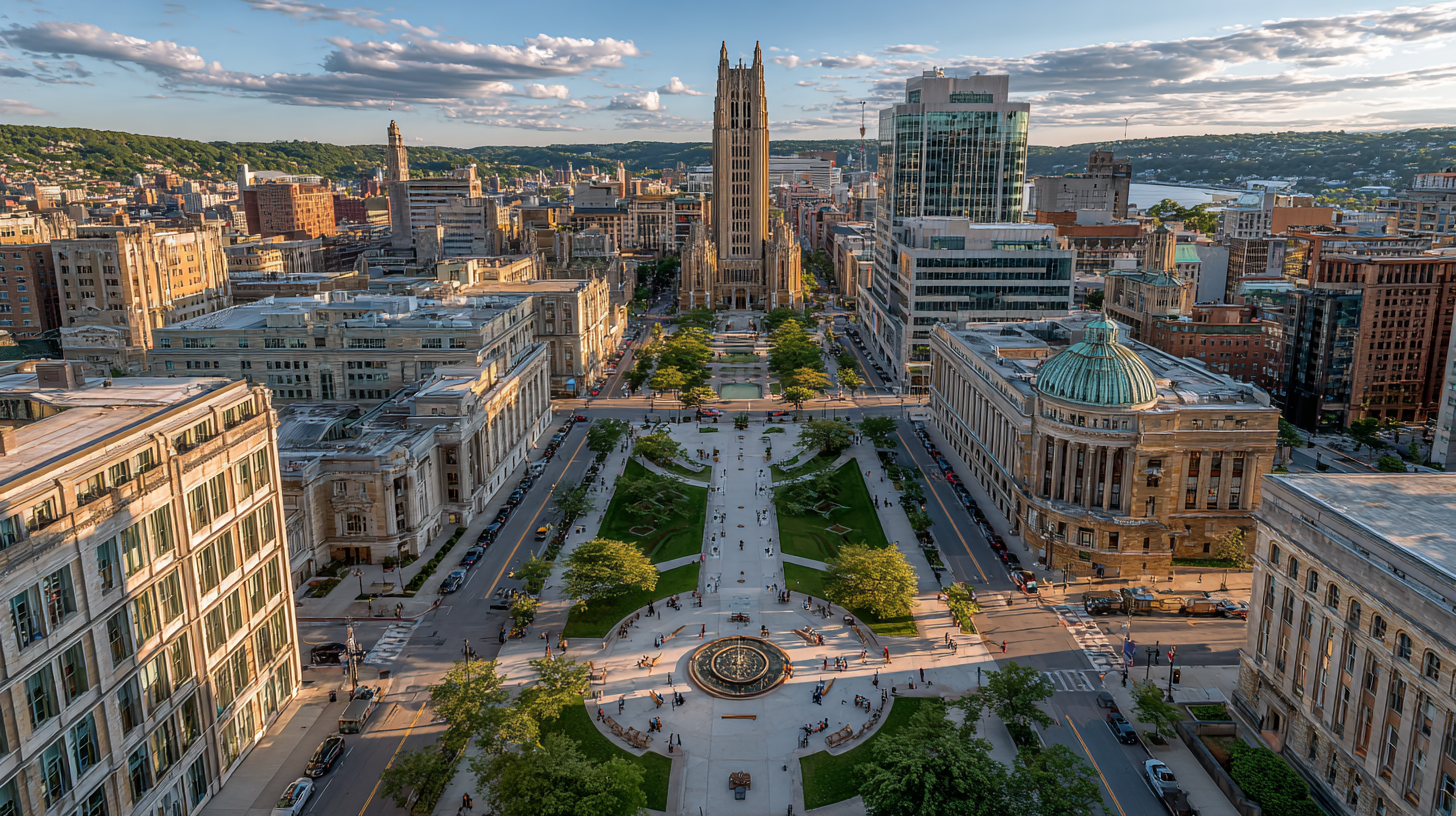
For students, faculty, and staff affiliated with Pittsburgh’s universities, the location of an apartment can significantly affect daily life. The city is home to several major institutions of higher education, including the University of Pittsburgh, Carnegie Mellon University, Duquesne University, and Point Park University, each with its own campus character and surrounding neighborhoods. Finding housing that balances proximity to campus, affordability, and quality of life is a priority for the thousands of renters connected to these institutions.
This guide provides an overview of the neighborhoods near Pittsburgh’s universities, highlighting rental options, commute considerations, and lifestyle factors for those seeking apartments close to campus.
The University Landscape in Pittsburgh
Pittsburgh’s universities are concentrated in several areas of the city. The University of Pittsburgh and Carnegie Mellon University share the Oakland neighborhood, creating a dense academic corridor. Duquesne University occupies a campus on the Bluff, adjacent to downtown. Point Park University is located in downtown itself. Each area has its own rental market dynamics and neighborhood character.
Oakland: The Academic Core
Oakland is the heart of Pittsburgh’s university community, home to the University of Pittsburgh and Carnegie Mellon University. This neighborhood offers the highest concentration of student housing and the shortest commutes to campus.
University of Pittsburgh
The University of Pittsburgh’s main campus is centered around the Cathedral of Learning in Central Oakland. The university has approximately 28,000 undergraduate and graduate students, making it a major driver of the local rental market.
Refer a tenant, get $100
Know someone looking for a house or apartment for rent in Pittsburgh? If they sign a lease with us, we pay you $100.
Carnegie Mellon University
Carnegie Mellon University’s campus adjoins Pitt’s campus to the east, with its distinctive architecture and research facilities. CMU enrolls approximately 15,000 students, contributing to the demand for rental housing in the area.
The Bluff: Duquesne University
Duquesne University occupies a campus on the Bluff, a plateau overlooking downtown Pittsburgh. The university enrolls approximately 8,000 students and maintains a campus that is distinct from the larger academic corridor of Oakland.
Downtown: Point Park University
Point Park University is located in downtown Pittsburgh, with its campus integrated into the city’s central business district. The university enrolls approximately 3,500 students and offers a unique urban campus experience.
Neighborhoods Near University of Pittsburgh and Carnegie Mellon
Central Oakland: Closest to Campus
Central Oakland is the neighborhood directly adjacent to the Pitt and CMU campuses. This area offers the shortest walking commute to classes, with many students living within a five to ten minute walk of the Cathedral of Learning and other academic buildings.
The rental market in Central Oakland is dominated by student-oriented housing. Renters will find:
- Large apartment buildings designed for student occupancy
- Older homes converted into multi unit apartments
- Properties with smaller units and shared amenities
Rental rates reflect the premium for proximity. One bedroom apartments typically range from $1,000 to $1,500 per month, while two bedroom units range from $1,400 to $2,000. Individual rooms in shared houses are common, with rates ranging from $600 to $900 per month depending on the property.
Considerations for Central Oakland include higher population density, limited parking, and a social atmosphere shaped by the student population. Noise levels can be higher than in other neighborhoods, particularly on weekends.
South Oakland: Residential Character with Campus Access
South Oakland, located south of the main campus across Forbes Avenue, offers a more residential character while maintaining walking distance to classes. This area features a mix of student housing and long term residents, with tree lined streets and a quieter atmosphere.
The rental market in South Oakland includes:
- Converted historic homes with larger units
- Smaller apartment buildings
- Properties with off street parking in some cases
Rental rates are generally lower than Central Oakland. One bedroom apartments typically range from $800 to $1,200 per month, while two bedroom units range from $1,200 to $1,800. Shared houses are also common, with individual rooms ranging from $500 to $800.
South Oakland appeals to students and staff who want proximity to campus with a more residential environment. The walk to campus takes 10 to 20 minutes depending on location. Parking is still challenging in many areas, but some properties offer off street options.
North Oakland: Proximity to Medical Complex
North Oakland, located north of the main campus along Fifth Avenue, offers convenient access to Pitt’s campus and the adjacent medical complex. This area includes many rental properties catering to medical students, residents, and hospital staff.
The rental market in North Oakland includes:
- Apartment buildings along Fifth Avenue
- Converted homes on side streets
- Newer developments near the medical complex
Rental rates are comparable to Central Oakland, with one bedroom apartments ranging from $1,000 to $1,500 per month. The area’s proximity to UPMC and other medical facilities makes it particularly attractive to those affiliated with the medical center.
Shadyside: Walkable Amenities with Campus Access
Shadyside, located east of the universities, offers a balance of walkable amenities and reasonable campus access. The neighborhood is known for its commercial district along Walnut Street, with boutiques, restaurants, and cafes. The walk to campus takes 15 to 25 minutes, depending on location, and bus service provides an alternative.
The rental market in Shadyside includes:
- Historic homes converted into apartments
- Modern luxury buildings near the commercial district
- A mix of unit sizes from studios to three bedrooms
Rental rates reflect the neighborhood’s desirability. One bedroom apartments typically range from $1,400 to $2,200 per month. The area attracts graduate students, medical residents, and faculty who value walkable amenities and a more polished environment than Oakland.
Squirrel Hill: Family-Friendly with Campus Access
Squirrel Hill, located east of the universities, offers a strong sense of community and a self-sufficient commercial district along Forbes and Murray Avenues. The walk to campus takes 20 to 30 minutes, and bus service provides convenient connections.
The rental market in Squirrel Hill includes:
- A mix of apartment buildings and converted homes
- Larger units suitable for families and roommates
- Properties with off street parking in many cases
Rental rates are generally lower than Shadyside. One bedroom apartments typically range from $1,200 to $1,800 per month. The area attracts graduate students, postdoctoral fellows, and faculty, particularly those with families.
Shuttle and Transit Options
Both Pitt and CMU operate shuttle services that connect campus with surrounding neighborhoods. These shuttles provide an alternative to walking and bus service for students and staff living in areas like Shadyside, Squirrel Hill, and South Oakland.
The Port Authority’s bus system also serves the area, with frequent service along Fifth Avenue, Forbes Avenue, and other corridors. The busways and dedicated routes provide reliable connections for commuters.
Neighborhoods Near Duquesne University
The Bluff: Campus Adjacent
The Bluff, also known as Uptown, is the neighborhood surrounding Duquesne University’s campus. This area offers the shortest commute to classes, with many students living within walking distance of academic buildings.
The rental market on the Bluff includes:
- Apartment buildings near campus
- Converted homes on side streets
- Properties with a mix of student and long term residents
Rental rates are generally moderate. One bedroom apartments typically range from $800 to $1,200 per month, while two bedroom units range from $1,200 to $1,800. The area’s proximity to campus is its primary advantage.
South Side Flats: Short Commute Across the River
The South Side Flats, located across the Monongahela River from Duquesne’s campus, offer a vibrant neighborhood with a short commute via the 10th Street Bridge. The drive takes five to 10 minutes, and walking across the bridge takes 15 to 20 minutes.
The rental market in the South Side Flats includes a mix of converted historic buildings and newer developments. One bedroom apartments typically range from $1,200 to $1,800 per month. The area’s active commercial corridor along East Carson Street appeals to students seeking dining and entertainment options.
Downtown: Urban Living Adjacent to Campus
Downtown Pittsburgh is adjacent to Duquesne’s campus, with some buildings within walking distance. This area offers urban living with access to cultural institutions, restaurants, and entertainment.
The rental market downtown includes high rise apartment buildings with modern amenities. One bedroom apartments typically range from $1,800 to $2,500 per month. Downtown living appeals to graduate students, law students, and staff who value urban convenience and are willing to pay a premium.
Neighborhoods Near Point Park University
Downtown: Campus Integrated
Point Park University’s campus is integrated into downtown Pittsburgh, with academic buildings, residence halls, and performance spaces located throughout the central business district. Students and staff can live within walking distance of campus in downtown’s residential buildings.
The rental market downtown includes high rise apartment buildings and converted historic properties. One bedroom apartments typically range from $1,800 to $2,500 per month. The area offers the convenience of walking to classes, dining, and entertainment.
North Shore: Short Walk Across the Bridge
The North Shore, located across the Allegheny River from downtown, offers a short walk to Point Park’s campus via the Andy Warhol or Roberto Clemente bridges. The walk takes 10 to 15 minutes.
The rental market on the North Shore includes newer apartment buildings near the stadiums and riverfront. One bedroom apartments typically range from $1,500 to $2,200 per month. The area offers riverfront trails, parks, and entertainment venues.
Strip District: Emerging Residential Neighborhood
The Strip District, located northeast of downtown, offers a short commute to Point Park’s campus via a 10 to 15 minute walk or short drive. The neighborhood has seen significant residential development in recent years.
The rental market in the Strip District consists primarily of newer luxury apartments. One bedroom apartments typically range from $1,700 to $2,300 per month. The area offers unique food markets, restaurants, and a growing residential community.
Comparing University-Adjacent Neighborhoods
For renters affiliated with Pittsburgh’s universities, understanding the trade offs between different neighborhoods helps clarify priorities.
Commute Distance
Central Oakland and the Bluff offer the shortest walking commutes to campus. South Oakland, North Oakland, and the South Side Flats offer walking commutes of 10 to 20 minutes. Shadyside, Squirrel Hill, and the Strip District require longer walks or transit use.
Rental Costs
Student-oriented housing in Central Oakland and South Oakland offers the most affordable rates for individual rooms in shared houses. Shadyside and Squirrel Hill command higher rates but offer more polished environments and walkable amenities. Downtown and the Strip District offer luxury living at premium rates.
Lifestyle Factors
Central Oakland offers the most concentrated student environment with a social atmosphere. Shadyside and Squirrel Hill offer more residential characters with walkable commercial districts. The South Side Flats offers an active nightlife scene. Downtown and the North Shore offer urban convenience with cultural amenities.
Practical Considerations for Student and Staff Renters
Before selecting an apartment near a university, potential renters should consider several practical factors.
Lease Timing
University-adjacent rentals often follow the academic calendar, with many leases beginning in August and running through July. Renters should begin searching early, particularly for properties in high demand areas. Off-cycle leases may be available but can be more limited.
Roommates
For students and staff seeking to reduce housing costs, sharing apartments with roommates is common. Many properties in university areas are designed for shared occupancy, with larger units and layouts that accommodate roommates. Renters should clarify lease structures and utility arrangements before signing.
Parking
Parking is a significant consideration in university areas. Many properties have limited or no off street parking, and street parking can be competitive. Renters with vehicles should confirm parking availability and factor monthly parking costs into their budget. Some students and staff choose to live without cars, relying on walking, transit, and shuttle services.
Amenities
Properties near universities vary widely in amenities. Some student-oriented buildings offer features such as fitness centers, study lounges, and community spaces. Others provide basic accommodations with fewer amenities. Renters should evaluate what features matter most to them.
Noise and Atmosphere
Neighborhoods near universities have different noise levels and atmospheres. Central Oakland has a high energy, student-focused environment. South Oakland and North Oakland are generally quieter. Shadyside and Squirrel Hill offer more residential atmospheres.
Making the Decision
Pittsburgh’s university neighborhoods offer a range of options for students, faculty, and staff. For those who prioritize the shortest walk to campus, Central Oakland and the Bluff provide immediate access. For renters seeking a balance of proximity and residential character, South Oakland, North Oakland, and the South Side Flats offer practical choices. For those who value walkable amenities and a more polished environment, Shadyside and Squirrel Hill provide appealing alternatives. For those seeking urban living, downtown and the Strip District offer premium options.
By defining priorities around commute, budget, lifestyle, and housing preferences, renters can navigate the university-adjacent market and find a location that supports their academic and professional goals. Visiting neighborhoods during different times of day and experiencing the commute to campus helps ensure that the chosen area aligns with daily life expectations.

Renting in the Pittsburgh area?
Ultrarix Capital Partners manages houses and apartments for rent across the Greater Pittsburgh area. Browse what is available now, or learn more about renting with us.
Browse available rentalsHouses and apartments for rent in Pittsburgh
Common questions about renting in Pittsburgh
How do I find houses and apartments for rent in Pittsburgh?
Start on our available rentals page, or see an overview of houses and apartments for rent in Pittsburgh. Tell us your budget and preferred neighborhoods and we will match you with homes that fit.
Which areas around Pittsburgh do you serve?
We cover the Greater Pittsburgh area, including city neighborhoods and nearby communities like Bellevue, McKees Rocks, Penn Hills, and Verona. The full list is on our homepage.
How do I apply for a rental?
Find a home you like on the rentals page and submit an application with your details, income, and rental history. We review it quickly and follow up with next steps.
Are utilities included?
We typically do not include utilities. For most rentals, electric, gas, water, and trash are the tenant's responsibility. Each listing notes anything that is included.
Do you allow pets?
Pet policies vary by property. Some rentals allow pets, sometimes with a deposit or monthly pet rent. Check the listing or ask us about a specific home.
Can I refer someone and get paid?
Yes. If you refer a tenant who signs a lease with us, we pay you $100. See our referral page for details.
How do I contact Ultrarix Capital Partners?
Call +1-650-254-6706 or email [email protected]. We are a Pittsburgh based property management company at 725 School St, McKees Rocks, PA 15136.