
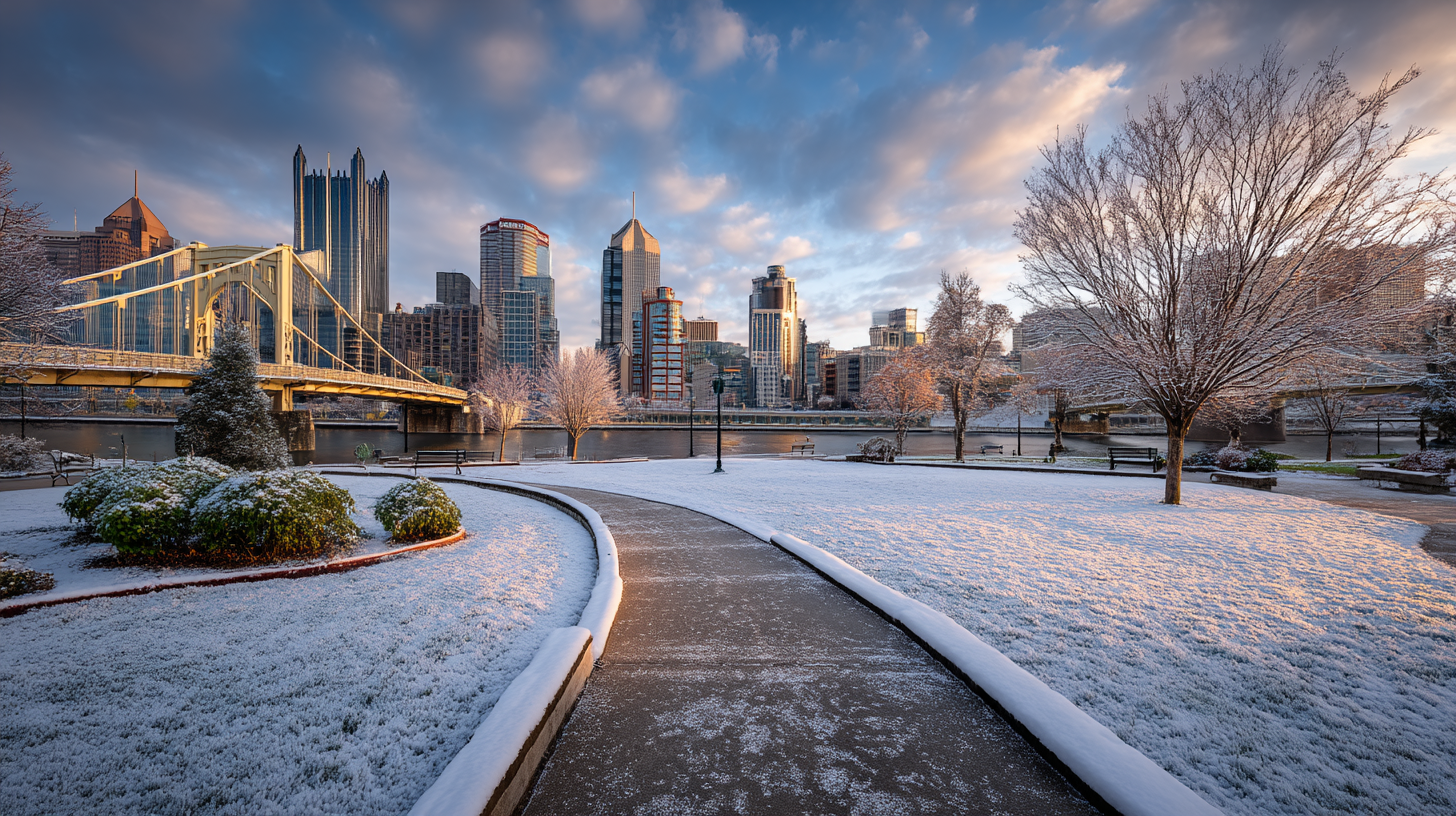
Pittsburgh winters bring cold temperatures, snow, and overcast skies. From December through February, temperatures regularly drop into the 20s, and the city averages nearly 40 inches of snow per year. For renters, the quality of an apartment’s heating system, insulation, windows, and winter maintenance can significantly affect comfort and utility costs.
This guide covers what to look for in a winter friendly apartment, which neighborhoods and building types perform best in cold weather, and how to evaluate a rental before signing a lease.
What Makes an Apartment Winter Friendly
A winter friendly apartment has several key features:
Efficient heating system. Central heating with modern furnaces or boilers provides consistent warmth. Older steam radiators can be effective but may be uneven. Electric baseboard heating is common but can be expensive to operate.
Good insulation. Properly insulated walls, attic spaces, and floors keep heat inside and cold out. In older buildings, insulation may be inadequate or non existent.
Refer a tenant, get $100
Know someone looking for a house or apartment for rent in Pittsburgh? If they sign a lease with us, we pay you $100.
Double pane windows. Double or triple pane windows reduce heat loss compared to single pane windows. Storm windows or plastic film can help in older buildings.
Well sealed doors and windows. Weather stripping and caulking prevent drafts. Gaps around doors and windows allow cold air to enter and heated air to escape.
Reliable snow removal. Prompt snow and ice removal from walkways, steps, and parking areas is essential for safety. Landlords are responsible for common areas.
South facing exposure. Units facing south receive more sunlight during winter months, providing passive solar heating and reducing the need for artificial light.
Best Building Types for Winter Living
Newer Luxury Buildings
Newer buildings, particularly those constructed within the last 15 years, are generally the most winter friendly. They are built to modern energy codes with good insulation, double pane windows, and efficient heating systems. Central heating is standard.
Buildings in the Strip District, North Shore, downtown, and Cranberry Township fall into this category. Renters in these buildings typically have lower heating bills than those in older buildings, even if the apartments are larger.
Renovated Industrial Buildings
Renovated industrial lofts in Lawrenceville and the Strip District often have excellent winter characteristics. The thick brick and concrete walls that characterize these buildings provide natural insulation. New windows and modern heating systems are typically installed during renovation.
However, large windows and high ceilings can be drawbacks. Heat rises, so upper floors may be warm while ground floor units feel cooler. Large single pane windows, if not replaced, can leak heat.
Well Maintained Older Buildings
Some older buildings, particularly those that have been well maintained and updated, perform adequately in winter. The key is whether the landlord has invested in modern windows, insulation, and heating systems.
Buildings with steam radiator heat can be comfortable, though radiators may be uneven. Some rooms may be too hot while others are too cold. Radiator heat also cannot be controlled room by room in many older buildings.
Poorly Maintained Older Buildings
The worst winter performance is found in poorly maintained older buildings. Single pane windows, no storm windows, gaps around doors, inadequate insulation, and aging heating systems lead to high utility bills and cold apartments. Renters should avoid these buildings unless heating costs are included in rent.
Neighborhoods with Winter Friendly Apartments
Strip District
The Strip District’s newer luxury buildings are excellent for winter living. Central heating, double pane windows, and good insulation are standard. The buildings were constructed within the last 10 to 15 years, meeting modern energy codes.
One bedroom apartments in the Strip District typically range from $1,700 to $2,300 per month. Heating costs are generally moderate due to building efficiency.
Downtown
Downtown’s high rise luxury buildings are also winter friendly. Central heating, double pane windows, and good insulation are standard. The buildings are well maintained and professionally managed.
One bedroom units downtown range from $1,800 to $2,500 per month. Heating costs are moderate.
North Shore
The North Shore’s newer buildings offer similar winter performance. Central heating and modern windows are standard.
One bedroom units on the North Shore range from $1,500 to $2,200 per month.
Cranberry Township
Cranberry Township’s newer luxury apartment communities are excellent for winter living. These buildings were constructed within the last 15 years and meet modern energy codes. Central heating is standard.
One bedroom units in Cranberry Township range from $1,400 to $2,000 per month. Heating costs are generally lower than in older city buildings.
Lawrenceville (Renovated Buildings)
Renovated industrial lofts in Lawrenceville offer good winter performance. The thick brick walls provide natural insulation, and new windows and heating systems are typically installed during renovation. However, large windows and high ceilings can increase heating needs.
One bedroom units in renovated Lawrenceville buildings range from $1,600 to $2,000 per month.
Ross Township
Ross Township’s garden style apartment complexes typically have central heating and adequate insulation. These buildings were constructed from the 1970s through the 1990s, so performance varies by building age and maintenance.
One bedroom units in Ross Township range from $1,100 to $1,500 per month.
Bethel Park
Bethel Park’s garden style complexes have central heating. Buildings constructed after 1980 generally have better insulation than older complexes.
One bedroom units in Bethel Park range from $1,100 to $1,600 per month.
Building Features to Look For
Heating System Type
Forced air furnaces provide quick, even heat that can be controlled room by room with dampers. Steam radiators provide steady heat but may be uneven and cannot be controlled room by room. Electric baseboard heat is common in older buildings but can be expensive to operate.
Ask the landlord about the heating system type and age. Older furnaces and boilers are less efficient.
Window Quality
Double pane windows are standard in newer buildings. In older buildings, look for storm windows or evidence that the landlord has installed window film or weather stripping. Single pane windows without storm windows leak significant heat.
Check for drafts by holding your hand near the window frame. If you feel cold air, the windows are not sealed properly.
Door Seals
Check the gap between the apartment door and the frame. Weather stripping should be intact. If you can see light under or around the door, cold air will enter.
Thermostat Location
The thermostat should be located on an interior wall away from windows, doors, and heating vents. A thermostat placed on an exterior wall or near a draft will read lower than the actual room temperature, causing the heat to run more than necessary.
Flooring
Carpet provides insulation and feels warmer underfoot than hardwood or tile. In apartments with hard floors, area rugs help retain heat and make the space feel cozier.
Exposure
South facing units receive sunlight throughout the winter day, providing passive solar heating. North facing units receive no direct sunlight. When possible, choose a unit with southern or western exposure.
Questions to Ask Before Renting for Winter
What type of heating system does the building have? Forced air, steam radiator, hot water radiator, and electric baseboard all perform differently. Ask about the system type and age.
What are the average heating costs in winter? Ask the landlord or current tenant for average monthly heating bills during December, January, and February. This is the most reliable way to estimate your costs.
Are windows double pane or single pane? If single pane, are there storm windows? Does the landlord allow tenants to apply plastic window film?
Who is responsible for snow removal? The landlord is responsible for common areas such as sidewalks, steps, and parking lots. Ask about their snow removal policy and response time.
Is there a backup heat source? In older buildings, ask whether there is a backup system in case the primary system fails.
Are utilities included in rent? Some older buildings include heat in the rent, which protects you from high winter bills. If heat is included, the building may have poor insulation, but the cost risk is on the landlord.
Winter Maintenance Responsibilities
Landlord Responsibilities
In Pittsburgh, landlords are responsible for maintaining heating systems in good working order and providing sufficient heat. Heating systems must be capable of maintaining a temperature of at least 68 degrees Fahrenheit during the day and 65 degrees at night.
Landlords are also responsible for snow and ice removal from common areas, including sidewalks, steps, porches, and parking areas. The specific response time may be outlined in the lease or governed by local ordinance.
Tenant Responsibilities
Tenants are responsible for reporting heating issues promptly. If the heat stops working, notify the landlord immediately. Tenants may also be responsible for sealing windows with plastic film, using weather stripping on doors, and keeping the thermostat at a consistent temperature to prevent frozen pipes.
Winter Utility Costs by Building Type
| Building Type | Typical Monthly Heating Cost (Winter) | Heating Efficiency |
|---|---|---|
| New luxury high rise | $80-120 | High |
| Renovated industrial loft | $100-180 | Moderate to high |
| Garden style (1980s+) | $120-200 | Moderate |
| Older converted home (updated) | $150-250 | Low to moderate |
| Older converted home (unupdated) | $200-350 | Very low |
Tips for Staying Warm in Any Apartment
Use Plastic Window Film
Applying plastic shrink film to windows is one of the most effective low cost ways to reduce heat loss. The film creates an insulating air gap between the window and the room. Kits are available at hardware stores for $10 to $20 per package.
Add Weather Stripping
Foam tape or V seal weather stripping around doors and windows seals gaps that let cold air in. This is a low cost improvement that many landlords allow.
Use Area Rugs
On hardwood or tile floors, area rugs add insulation and make rooms feel warmer. They also feel better underfoot on cold mornings.
Open Curtains During the Day
Open curtains on south facing windows during the day to let sunlight in. Close them at night to trap heat.
Set Thermostat Consistently
Setting the thermostat back 10 degrees at night saves energy. However, frequent large adjustments use more energy than maintaining a consistent temperature. Set a schedule and stick to it.
Prevent Frozen Pipes
During extreme cold, leave cabinet doors open under sinks to allow warm air to circulate around pipes. Let faucets drip slightly if temperatures drop very low.
Making the Decision
Winter in Pittsburgh requires an apartment that can keep you warm without breaking your budget. The most winter friendly apartments are newer luxury buildings in the Strip District, downtown, North Shore, and Cranberry Township. These buildings offer efficient heating, good insulation, and double pane windows, resulting in lower heating costs despite higher rents.
For renters on a budget, well maintained garden style complexes in Ross Township, Bethel Park, and Monroeville offer central heating at moderate rents. The key is to avoid poorly maintained older buildings with single pane windows and inadequate insulation.
Before signing a lease, ask about average winter heating costs, inspect windows and doors for drafts, and understand the landlord’s snow removal policy. By choosing a winter friendly apartment, you can stay comfortable through Pittsburgh’s coldest months without facing unexpectedly high utility bills.

Renting in the Pittsburgh area?
Ultrarix Capital Partners manages houses and apartments for rent across the Greater Pittsburgh area. Browse what is available now, or learn more about renting with us.
Browse available rentalsHouses and apartments for rent in Pittsburgh
Common questions about renting in Pittsburgh
How do I find houses and apartments for rent in Pittsburgh?
Start on our available rentals page, or see an overview of houses and apartments for rent in Pittsburgh. Tell us your budget and preferred neighborhoods and we will match you with homes that fit.
Which areas around Pittsburgh do you serve?
We cover the Greater Pittsburgh area, including city neighborhoods and nearby communities like Bellevue, McKees Rocks, Penn Hills, and Verona. The full list is on our homepage.
How do I apply for a rental?
Find a home you like on the rentals page and submit an application with your details, income, and rental history. We review it quickly and follow up with next steps.
Are utilities included?
We typically do not include utilities. For most rentals, electric, gas, water, and trash are the tenant's responsibility. Each listing notes anything that is included.
Do you allow pets?
Pet policies vary by property. Some rentals allow pets, sometimes with a deposit or monthly pet rent. Check the listing or ask us about a specific home.
Can I refer someone and get paid?
Yes. If you refer a tenant who signs a lease with us, we pay you $100. See our referral page for details.
How do I contact Ultrarix Capital Partners?
Call +1-650-254-6706 or email [email protected]. We are a Pittsburgh based property management company at 725 School St, McKees Rocks, PA 15136.