
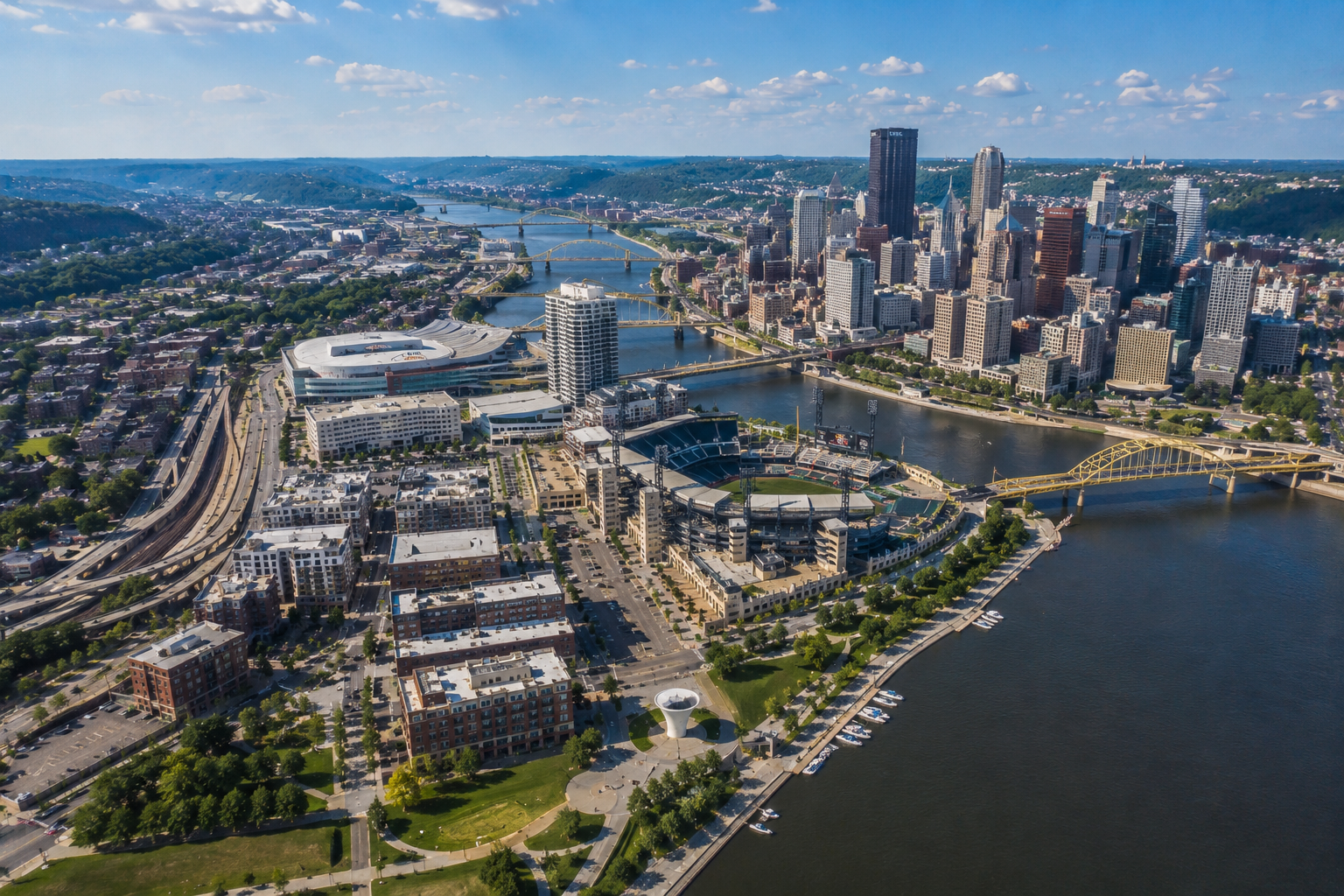
For renters who want to avoid the expense and hassle of car ownership, Pittsburgh offers several neighborhoods where daily life is possible on foot, by bike, or via public transit. Living without a car saves money on payments, insurance, fuel, parking, and maintenance. In the right neighborhood, these savings can offset higher rent.
This guide covers the best neighborhoods for car-free living in Pittsburgh, focusing on walkability, transit access, grocery stores, and other essential amenities.
The Cost of Car Ownership
Before examining neighborhoods, it helps to understand what you save by living without a car. The average annual cost of owning a car, including payments, insurance, fuel, maintenance, and parking, is approximately $9,000 to $12,000 per year. In Pittsburgh, downtown parking alone adds $1,800 to $3,600 per year.
Renters who live without a car can redirect these savings to higher rent in a walkable neighborhood or simply keep the money.
What Makes a Neighborhood Car-Free Friendly
A neighborhood suitable for car-free living has several key features:
Refer a tenant, get $100
Know someone looking for a house or apartment for rent in Pittsburgh? If they sign a lease with us, we pay you $100.
Walkable grocery store. A full service grocery store within a 10 to 15 minute walk is essential for daily life. Without a car, carrying groceries home limits how far you can walk.
Transit access. Frequent bus or T service to other parts of the city, particularly to employment centers, medical facilities, and entertainment.
Pharmacy and bank. Basic services within walking distance reduce the need for trips outside the neighborhood.
Dining and entertainment. Restaurants, coffee shops, bars, and entertainment venues within walking distance make life enjoyable without a car.
Sidewalks and crosswalks. Safe, well maintained pedestrian infrastructure is essential.
Bike infrastructure. Bike lanes, trails, and bike parking make cycling a viable option for longer trips.
Best Neighborhoods for Car-Free Living
Downtown Pittsburgh
Downtown is the most car-free friendly neighborhood in Pittsburgh. Everything a resident needs is within walking distance: grocery stores, pharmacies, banks, restaurants, bars, theaters, and offices. The T light rail and bus system provide connections to other parts of the city.
Grocery access. The Strip District’s terminal market is a 10 to 15 minute walk. A full service grocery store is also within walking distance in the Strip District.
Transit. The T has multiple stations downtown, and bus routes converge in the central business district.
Walkability. Downtown is flat and compact, with wide sidewalks and crosswalks.
Rent. One bedroom apartments typically range from $1,800 to $2,500 per month. The premium rent is offset by eliminating car ownership costs.
Strip District
The Strip District is highly walkable and has the city’s most unique grocery options. The terminal market and specialty food shops provide fresh produce, meat, fish, and prepared foods.
Grocery access. A full service grocery store is within the neighborhood. Specialty food markets provide additional options.
Transit. Bus routes connect the Strip District to downtown, Lawrenceville, and other neighborhoods. The T is a 10 to 15 minute walk away.
Walkability. The neighborhood is flat and compact, though sidewalks can be crowded on weekends.
Rent. One bedroom apartments typically range from $1,700 to $2,300 per month.
North Shore
The North Shore offers a short walk to downtown across the Andy Warhol or Roberto Clemente bridges. The neighborhood has grocery options, dining, and riverfront trails.
Grocery access. A grocery store is within walking distance. Additional options are across the bridge in downtown.
Transit. Bus routes serve the North Shore, and downtown transit connections are a 10 to 15 minute walk away.
Walkability. The neighborhood is flat with wide sidewalks and riverfront trails.
Rent. One bedroom apartments typically range from $1,500 to $2,200 per month.
Shadyside
Shadyside is one of Pittsburgh’s most walkable neighborhoods. Walnut Street and Ellsworth Avenue provide boutique shopping, dining, and services. A grocery store, pharmacy, bank, and coffee shops are all within walking distance.
Grocery access. A full service grocery store is located on Centre Avenue, within walking distance of most apartments.
Transit. Frequent bus routes along Fifth Avenue, Ellsworth Avenue, and Centre Avenue provide access to downtown, Oakland, and Squirrel Hill.
Walkability. Sidewalks are wide and well maintained. The neighborhood is mostly flat, with some hills toward the edges.
Rent. One bedroom apartments typically range from $1,400 to $2,200 per month.
Squirrel Hill
Squirrel Hill has one of the city’s most complete commercial districts. Forbes and Murray Avenues offer a grocery store, pharmacy, bank, library, and dozens of restaurants within a compact, walkable area.
Grocery access. Multiple grocery stores are located on Forbes and Murray Avenues, within walking distance of most apartments.
Transit. Frequent bus routes along Forbes Avenue and Murray Avenue provide access to downtown, Oakland, and Shadyside.
Walkability. The commercial district is flat and walkable. Residential streets are hillier but have sidewalks.
Rent. One bedroom apartments typically range from $1,200 to $1,800 per month.
Lawrenceville
Lawrenceville’s Butler Street offers acclaimed dining, bars, and boutiques. A grocery store, pharmacy, and bank are within walking distance of many apartments.
Grocery access. A full service grocery store is located on Butler Street in Central Lawrenceville. Additional options are in the Strip District, a 15 minute walk or short bus ride away.
Transit. Bus routes along Butler Street and Penn Avenue provide access to downtown and the Strip District.
Walkability. Butler Street is flat and walkable, but the neighborhood has steep hills on the side streets.
Rent. One bedroom apartments typically range from $1,300 to $2,000 per month.
Oakland
Oakland is dense and walkable, with a concentration of services oriented toward the student population. Grocery stores, pharmacies, banks, and restaurants are all within walking distance.
Grocery access. Multiple grocery stores are located along Forbes Avenue and Fifth Avenue.
Transit. Frequent bus routes along Fifth Avenue and Forbes Avenue provide access to downtown and other neighborhoods. The East Busway is accessible at Herron Avenue.
Walkability. The neighborhood is flat near the universities, with hills toward the edges. Sidewalks are crowded but well maintained.
Rent. One bedroom apartments typically range from $1,000 to $1,500 per month.
Dormont
Dormont offers a walkable commercial district and T light rail access to downtown. The West Liberty Avenue commercial district provides a grocery store, pharmacy, bank, and dining. The T provides a 10 to 15 minute ride to downtown.
Grocery access. A full service grocery store is located on West Liberty Avenue, within walking distance of most apartments.
Transit. The T has three stations in Dormont, providing frequent service to downtown.
Walkability. West Liberty Avenue is flat and walkable. Residential streets are hillier but have sidewalks.
Rent. One bedroom apartments typically range from $900 to $1,300 per month.
Comparison of Car-Free Neighborhoods
| Neighborhood | One Bedroom Rent | Grocery Access | Transit | Walkability | Bike Infrastructure |
|---|---|---|---|---|---|
| Downtown | $1,800-2,500 | Excellent | Excellent | Excellent | Moderate |
| Strip District | $1,700-2,300 | Excellent | Good | Excellent | Moderate |
| North Shore | $1,500-2,200 | Good | Good | Excellent | Excellent |
| Shadyside | $1,400-2,200 | Excellent | Excellent | Excellent | Moderate |
| Squirrel Hill | $1,200-1,800 | Excellent | Excellent | Excellent | Moderate |
| Lawrenceville | $1,300-2,000 | Good | Good | Good | Moderate |
| Oakland | $1,000-1,500 | Excellent | Excellent | Good | Limited |
| Dormont | $900-1,300 | Good | Excellent | Good | Limited |
Essential Services for Car-Free Living
Grocery Shopping
Without a car, you will carry groceries home. A rolling cart or sturdy backpack helps. Living within a 10 minute walk of a grocery store makes this manageable. Neighborhoods with grocery stores within walking distance include:
- Downtown: Strip District terminal market and grocery store
- Strip District: Full service grocery store and specialty markets
- Shadyside: Grocery store on Centre Avenue
- Squirrel Hill: Multiple grocery stores on Forbes and Murray Avenues
- Lawrenceville: Grocery store on Butler Street
- Oakland: Multiple grocery stores on Forbes Avenue
- Dormont: Grocery store on West Liberty Avenue
Pharmacy and Medical
CVS and Walgreens locations are scattered throughout the city. For routine prescriptions, living near a pharmacy is helpful. For doctor visits, consider proximity to bus routes that serve medical centers.
Banking
Bank branches and ATMs are concentrated in commercial districts. Most car-free neighborhoods have at least one bank within walking distance.
Dining and Entertainment
Restaurants, bars, and coffee shops are the social backbone of car-free neighborhoods. Shadyside, Squirrel Hill, Lawrenceville, and the Strip District have the highest concentrations.
Transportation Options Without a Car
Walking
For daily errands and short trips, walking is the most convenient option. The neighborhoods listed above are compact enough that most daily needs are within a 10 to 20 minute walk.
Biking
Pittsburgh has expanded its bike infrastructure. The riverfront trails provide car free routes along the Allegheny, Monongahela, and Ohio rivers. Bike lanes on streets such as Penn Avenue, Forbes Avenue, and Centre Avenue connect neighborhoods. Renters should secure bikes in locked storage areas.
Public Transit
The T and bus system provide access to areas beyond walking distance. A monthly transit pass costs $97.50, far less than car ownership.
Ride Sharing and Taxis
Uber and Lyft are available throughout the city. For occasional trips, ride sharing is less expensive than owning a car. A few ride sharing trips per month cost far less than car payments, insurance, and parking.
Car Sharing
Zipcar has vehicles located throughout Pittsburgh. Members can rent by the hour or day for trips that are impractical by transit. Car sharing is useful for large grocery trips, moving furniture, or weekend getaways.
Tips for Living Without a Car
Choose the right neighborhood. The neighborhood is the most important factor. Living in a walkable area with transit access makes car-free living practical.
Invest in a rolling cart. A folding rolling cart makes carrying groceries much easier. Many are designed specifically for city living.
Use delivery services. Grocery delivery from services such as Instacart or direct from stores can supplement walking trips, especially during bad weather.
Plan your trips. Group errands to minimize walking distance. Pick up dry cleaning and prescriptions on the way to the grocery store.
Check bus schedules before going out. Knowing when the last bus runs prevents being stranded late at night.
Keep a small umbrella and rain jacket. Walking in the rain is inevitable. Being prepared makes it manageable.
Making the Decision
Living without a car in Pittsburgh is practical in several neighborhoods, particularly downtown, the Strip District, Shadyside, Squirrel Hill, Lawrenceville, Oakland, and Dormont. The best choice depends on your budget and lifestyle preferences.
For renters who want the most urban experience with the shortest walks, downtown and the Strip District offer excellent walkability but higher rents. For those who want a balance of walkability, transit, and moderate rents, Shadyside and Squirrel Hill are strong choices. For renters on a tighter budget, Dormont offers T access and a walkable commercial district at lower rents.
By choosing a neighborhood with a grocery store within walking distance, frequent transit, and safe sidewalks, renters can live comfortably without a car in Pittsburgh. The savings on car ownership can be substantial, often offsetting higher rent in walkable neighborhoods. For many renters, the freedom from parking, traffic, and car payments is worth the trade offs.

Renting in the Pittsburgh area?
Ultrarix Capital Partners manages houses and apartments for rent across the Greater Pittsburgh area. Browse what is available now, or learn more about renting with us.
Browse available rentalsHouses and apartments for rent in Pittsburgh
Common questions about renting in Pittsburgh
How do I find houses and apartments for rent in Pittsburgh?
Start on our available rentals page, or see an overview of houses and apartments for rent in Pittsburgh. Tell us your budget and preferred neighborhoods and we will match you with homes that fit.
Which areas around Pittsburgh do you serve?
We cover the Greater Pittsburgh area, including city neighborhoods and nearby communities like Bellevue, McKees Rocks, Penn Hills, and Verona. The full list is on our homepage.
How do I apply for a rental?
Find a home you like on the rentals page and submit an application with your details, income, and rental history. We review it quickly and follow up with next steps.
Are utilities included?
We typically do not include utilities. For most rentals, electric, gas, water, and trash are the tenant's responsibility. Each listing notes anything that is included.
Do you allow pets?
Pet policies vary by property. Some rentals allow pets, sometimes with a deposit or monthly pet rent. Check the listing or ask us about a specific home.
Can I refer someone and get paid?
Yes. If you refer a tenant who signs a lease with us, we pay you $100. See our referral page for details.
How do I contact Ultrarix Capital Partners?
Call +1-650-254-6706 or email [email protected]. We are a Pittsburgh based property management company at 725 School St, McKees Rocks, PA 15136.