Home Blog Page 12

South Side Slopes Apartments: An Affordable Alternative to the South Side Flats

For renters who want to be close to the energy of the South Side Flats without the noise and high rents, the South Side Slopes offer a practical alternative. Located on the hillside rising above East Carson Street, this neighborhood provides affordable apartments, stunning city views, and easy access to the nightlife and amenities below. While the steep terrain presents challenges, the savings and quieter residential character make the South Side Slopes an attractive option for budget conscious renters.

This guide covers apartments in the South Side Slopes, with insights on rental prices, views, access to the flats, and lifestyle considerations.

Overview of the South Side Slopes

The South Side Slopes rise steeply from the South Side Flats toward the ridgeline shared with Allentown and Mount Washington. The neighborhood is characterized by narrow, winding streets, staircases that serve as public rights of way, and a mix of single family homes and small apartment buildings. The housing stock is older, with many buildings dating from the late 19th and early 20th centuries.

Key features of the South Side Slopes include:

  • Staircases. The neighborhood is known for its city steps, with dozens of public staircases connecting the slopes to the flats below.
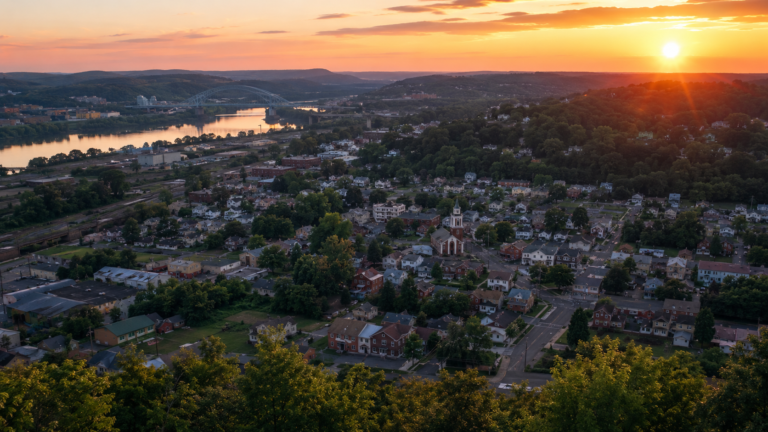
  • City views. Apartments on the upper slopes have panoramic views of the Monongahela River, downtown Pittsburgh, and the South Side Flats.
  • Proximity to the South Side Flats. A short walk down the hill or staircase puts you on East Carson Street.
  • Quieter environment. The slopes are primarily residential, with no bars or late night venues. Noise levels are significantly lower than in the flats.
  • Affordable rents. Rental rates are substantially lower than in the flats below.

The South Side Slopes are less dense than the flats, with more green space and a stronger sense of community. The neighborhood has a mix of long term residents and renters drawn by affordability.

Rental Market in the South Side Slopes

Apartment Buildings

Small apartment buildings are scattered throughout the South Side Slopes. These buildings typically have two to six units and are owner occupied or owned by small landlords. Units are functional rather than luxurious.

Typical units. One and two bedroom layouts. Square footage varies. Many units retain original features such as hardwood floors and high ceilings.

Amenities. Limited. Off street parking is rare; most residents rely on street parking. Laundry is often on site or in building. Window air conditioning is standard.

Rental prices. One bedroom units range from $700 to $1,000 per month. Two bedroom units range from $900 to $1,300 per month.

Best for. Renters who prioritize low rent and are willing to accept older buildings and basic amenities.

Converted Single Family Homes

Some single family homes in the South Side Slopes have been converted into multi unit apartments. These properties offer character features and generous square footage.

Typical units. One, two, and three bedroom layouts. Units may include basements, porches, or small yards.

Amenities. Varies. Some have off street parking. Laundry may be in unit.

Rental prices. One bedroom units range from $700 to $1,000 per month. Two bedroom units range from $900 to $1,400 per month. Three bedroom units range from $1,200 to $1,700.

Best for. Renters who want more space and character at low rents.

Row Houses

The lower slopes have row houses similar to those in the flats, but at lower rents. These units offer the same historic character without the premium prices.

Typical units. One and two bedroom row houses with small front porches.

Amenities. Limited. Street parking.

Rental prices. One bedroom units range from $800 to $1,100 per month. Two bedroom units range from $1,000 to $1,500.

Best for. Renters who want row house character at lower prices than the flats.

Rental Price Comparison: Slopes vs. Flats

NeighborhoodOne Bedroom RentTwo Bedroom RentNoise LevelParkingWalk to Nightlife
South Side Flats$1,100-2,000$1,400-2,500HighDifficult0-5 min
South Side Slopes$700-1,100$900-1,500LowStreet5-15 min

The savings are substantial. A renter who pays $800 for a one bedroom in the slopes instead of $1,400 in the flats saves $7,200 per year.

City Views

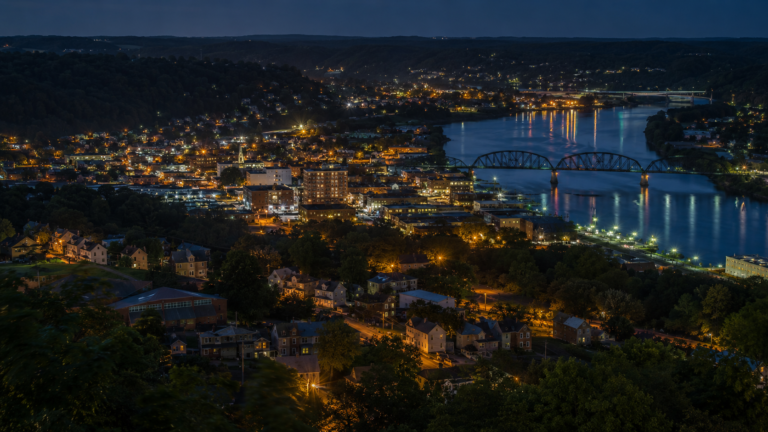
One of the South Side Slopes’ greatest assets is the view. Apartments on the upper slopes have unobstructed views of the Monongahela River, the South Side Flats, and the downtown skyline. Evening views of the city lights are spectacular.

Best viewing locations. Apartments on Arlington Avenue, Pius Street, and the upper sections of Sarah Street have the best views.

Rental premium. Units with city views command higher rents than units without views, but are still significantly cheaper than comparable units in the flats.

Access to the South Side Flats

The South Side Slopes are connected to the flats by streets and public staircases. The walk down the hill takes 5 to 15 minutes, depending on location. The walk back up is steeper, which can be a consideration after a night out.

Staircases. Public staircases are the most direct routes. The 18th Street staircase and the 22nd Street staircase are well known.

Streets. South 18th Street, South 21st Street, and South 22nd Street provide vehicle access between the slopes and flats.

Transit. Bus routes serve the slopes along Arlington Avenue and other main streets.

For renters who want to walk to the bars and restaurants on East Carson Street, the South Side Slopes are convenient. The walk down is easy. The walk up is a workout.

Living in the South Side Slopes: Lifestyle Considerations

Quiet Residential Character

The South Side Slopes are primarily residential. There are no bars, clubs, or late night venues in the neighborhood. Weekend nights are quiet. Residents can sleep without hearing noise from East Carson Street.

Steep Terrain

The neighborhood’s defining characteristic is its steepness. Walking up and down the hills requires physical effort. In winter, icy stairs and sidewalks can be hazardous. Renters should be prepared for the terrain.

Parking

Street parking is generally available but can be competitive near staircase entrances and on narrow streets. Off street parking is rare. Renters with cars should expect to park on the street.

Community

The South Side Slopes have a stronger sense of community than the flats. The neighborhood has a neighborhood association, community events, and active residents. The city steps are a point of pride.

Groceries and Services

The South Side Slopes have limited commercial amenities. A few small shops and restaurants are scattered throughout, but most residents walk or drive down to the flats for groceries, pharmacy, and other services. East Carson Street has a grocery store within walking distance of the lower slopes.

Questions to Ask Before Renting

How far is the walk to East Carson Street? If you plan to walk to nightlife, confirm the distance and route. Factor in the uphill walk back.

Is there off street parking? Street parking is typical. If you have a car, ask about parking availability.

What is the view like? If a city view is important to you, ask whether the unit has an unobstructed view. Visit at dusk to see the lights.

Are the stairs maintained in winter? Public staircases are maintained by the city, but private stairs on the property are the landlord’s responsibility. Ask about snow and ice removal.

What is the heating system? Older buildings may have older heating systems. Ask about average winter heating costs.

Who Should Consider the South Side Slopes

The South Side Slopes are best suited for renters who:

  • Want to be close to the South Side Flats nightlife
  • Prioritize low rent over modern amenities
  • Are comfortable with steep terrain and stairs
  • Do not require off street parking
  • Value quiet residential character and city views
  • Are willing to walk uphill after a night out

Making the Decision

The South Side Slopes offer one of the best values in Pittsburgh for renters who want to be near the city’s nightlife without paying premium prices. One bedroom rents under $1,000 and two bedroom rents under $1,500 are common, with savings of thousands of dollars per year compared to the flats below.

The trade offs are real: steep hills, limited parking, older buildings, and a steep walk back from East Carson Street. But for renters who are willing to accept these challenges, the South Side Slopes provide affordable living with city views and easy access to one of Pittsburgh’s most active neighborhoods.

For renters who prioritize low rent, quiet nights, and stunning views, the South Side Slopes are a compelling alternative to the South Side Flats. The savings and the scenery make the climb worthwhile.

South Side Flats Apartments for Rent in Pittsburgh: A Guide to Nightlife and City Living

For renters who want to be at the center of Pittsburgh’s nightlife while still having access to riverfront trails and a short commute to downtown, the South Side Flats offer one of the city’s most energetic living environments. Located just south of the Monongahela River, this neighborhood is defined by East Carson Street, a mile long corridor packed with bars, restaurants, music venues, and shops. The South Side Flats attract a young, social crowd who value walkability and activity over quiet nights.

This guide covers apartments in the South Side Flats, with insights on rental prices, building types, nightlife, and lifestyle considerations.

Overview of the South Side Flats

The South Side Flats stretch along the Monongahela River from the 10th Street Bridge to the Hot Metal Bridge. The neighborhood’s main artery is East Carson Street, which features one of the highest concentrations of bars and restaurants in Pittsburgh. The neighborhood also includes the South Side Riverfront Park, which connects to the Three Rivers Heritage Trail.

Key features of the South Side Flats include:

  • East Carson Street. A mile long commercial corridor with bars, restaurants, music venues, and shops. The street is busiest on weekend nights.
  • South Side Riverfront Park. A linear park along the Monongahela River with walking and biking trails.
  • Three Rivers Heritage Trail. A paved riverfront trail connecting the South Side to downtown, the North Shore, and the Strip District.
  • Birmingham Bridge and 10th Street Bridge. Bridges providing access to downtown and the Bluff.
  • Proximity to downtown. A 5 to 10 minute drive or a 15 to 20 minute bike ride on the riverfront trail.

The South Side Flats have a distinct rhythm: weekdays are quieter, while weekend nights are very active. Residents should expect noise on Friday and Saturday nights, particularly on East Carson Street and the blocks immediately surrounding it.

Types of Apartments in the South Side Flats

Row House Conversions

The South Side Flats are known for their historic row houses, many of which have been converted into apartments. These units offer character features such as exposed brick, hardwood floors, and small front porches. They are typically two or three stories, with living areas on the ground floor and bedrooms above.

Typical units. One, two, and three bedroom layouts. Square footage is generous compared to newer buildings.

Amenities. Limited. Off street parking is rare; most residents rely on street parking. Laundry may be in unit or shared. Window air conditioning is common.

Rental prices. One bedroom units range from $1,100 to $1,600 per month. Two bedroom units range from $1,400 to $2,000.

Best for. Renters who want historic character, generous space, and access to nightlife. People who do not require modern amenities.

Newer Apartment Buildings

Several newer apartment buildings have been constructed in the South Side Flats, particularly near the riverfront. These buildings offer modern finishes, amenities, and parking.

Typical units. One and two bedroom layouts with modern finishes, stainless steel appliances, and in unit laundry.

Amenities. Fitness centers, roof terraces, and attached parking in some buildings. Some have river views.

Rental prices. One bedroom units range from $1,400 to $2,000 per month. Two bedroom units range from $1,800 to $2,500. Parking adds $50 to $150 per month.

Best for. Renters who want modern amenities and nightlife access. People who want off street parking.

Converted Industrial Buildings

Some industrial buildings near the river have been converted into loft apartments. These units feature high ceilings, large windows, and open floor plans.

Typical units. One and two bedroom lofts with industrial character.

Amenities. Varies. Some have fitness centers and parking.

Rental prices. One bedroom units range from $1,300 to $1,900 per month. Two bedroom units range from $1,700 to $2,400.

Best for. Renters who want industrial loft character near the riverfront trail.

Rental Price Comparison

Building TypeOne Bedroom RentTwo Bedroom RentParkingCharacter
Row house conversion$1,100-1,600$1,400-2,000StreetHistoric, spacious
Newer apartment$1,400-2,000$1,800-2,500Add $50-150Modern, amenities
Converted industrial$1,300-1,900$1,700-2,400VariesLoft, industrial

Location Considerations Within the South Side Flats

East Carson Street (Active)

Apartments directly on East Carson Street or on the first block behind it will experience the most noise. Weekend nights can be very loud, with patrons walking, talking, and music spilling from bars. Upper floor units are quieter than ground floor units, but noise is still significant.

Best for. Renters who prioritize being steps from nightlife and do not mind noise.

Side Streets (Moderate Noise)

Apartments on side streets one or two blocks off East Carson Street have moderate noise levels. The noise from the main corridor is noticeable but not overpowering. These blocks offer a balance of nightlife access and relative quiet.

Best for. Renters who want to walk to bars and restaurants but need sleep.

Riverfront (Quiet)

Apartments near the riverfront, particularly along the northern edge of the neighborhood, are the quietest. These areas are farther from East Carson Street and have less foot traffic. They also offer easy access to the riverfront trail.

Best for. Renters who value trail access and quiet but still want to be in the South Side.

Amenities to Look For

Off Street Parking

Parking is one of the biggest challenges in the South Side Flats. Street parking is competitive, particularly on weekend nights. Apartments with off street parking are highly valuable. Confirm whether parking is included or available for a fee.

Outdoor Space

Many row house conversions have small front porches or rear patios. In warmer months, sitting on a porch and watching the neighborhood is a pleasure. Newer buildings may have roof terraces.

In Unit Laundry

In unit laundry is common in newer buildings but less common in row house conversions. If laundry is important to you, prioritize buildings with in unit or on site facilities.

Central Air Conditioning

Row house conversions typically have window units. Newer buildings have central air. If you are sensitive to heat, prioritize central air.

Living in the South Side Flats: Lifestyle Considerations

Nightlife

The South Side Flats are Pittsburgh’s nightlife hub. East Carson Street has dozens of bars, from dive bars to dance clubs. Music venues host local and touring acts. The neighborhood is busiest on weekend nights, with crowds of people moving between venues.

For residents who enjoy going out, living in the South Side Flats means never needing a ride share or designated driver. You can walk to bars and walk home.

Noise

Noise is the primary drawback of living in the South Side Flats. On weekend nights, East Carson Street is loud. Residents on side streets hear the noise but are less affected. If you are sensitive to noise or work early shifts, the South Side Flats may not be the right choice.

Riverfront Trail

The Three Rivers Heritage Trail runs along the Monongahela River, providing a paved path for walking, running, and biking. The trail connects to downtown, the North Shore, and the Strip District. For cyclists, the trail provides a car free commute to downtown.

Parking

As noted, parking is challenging. Residents with cars should prioritize apartments with off street parking. If you rely on street parking, be prepared to search for spaces, particularly on weekend nights.

Groceries

The South Side Flats have a grocery store on East Carson Street, providing walkable access to fresh food. Other amenities, including pharmacies and banks, are also within walking distance.

Questions to Ask Before Renting

How loud is the street on weekend nights? If you are considering an apartment on East Carson Street or a side street, ask about noise levels. Visit on a Friday or Saturday night to experience the noise firsthand.

Is parking included or available? Off street parking is a premium amenity. Confirm availability and cost.

Are the windows double pane? Double pane windows reduce noise transmission. In a neighborhood with nightlife, good windows make a significant difference.

What floor is the apartment on? Upper floor units are quieter than ground floor units, which are closest to street noise.

Is there a security deposit for pets? Many buildings are pet friendly. Ask about pet policies and fees.

Making the Decision

The South Side Flats offer one of Pittsburgh’s most unique living experiences. For renters who prioritize nightlife access, walkability, and a young, energetic atmosphere, it is an excellent choice.

For renters who want to be steps from the bars and do not mind noise, apartments on East Carson Street or the immediate side streets offer one bedroom units from $1,100 to $1,600 in row house conversions.

For renters who want modern amenities and off street parking, newer apartment buildings near the riverfront offer one bedroom units from $1,400 to $2,000, with the added benefit of riverfront trail access.

For renters who want nightlife access but need quiet for sleep, apartments on side streets one or two blocks off East Carson Street provide a balance.

By prioritizing your tolerance for noise, need for parking, and desire for modern amenities, you can find an apartment in the South Side Flats that fits your lifestyle. For many young renters, the energy and convenience of the South Side Flats are well worth the trade offs.

Apartments Near the Strip District Pittsburgh: A Guide to Modern Urban Living

For renters who want to be at the center of Pittsburgh’s energy, the Strip District offers one of the most dynamic urban living experiences in the city. Located just northeast of downtown along the Allegheny River, this historic neighborhood has transformed from a wholesale produce terminal into a residential destination with luxury apartment buildings, acclaimed restaurants, specialty food markets, and unique retail. The Strip District is steps from downtown, the North Shore, and Lawrenceville, making it a prime location for professionals who want walkability and convenience.

This guide covers the best apartments near the Strip District, with insights on rental prices, building types, amenities, and lifestyle considerations.

Overview of the Strip District

The Strip District is defined by its commercial corridor along Penn Avenue and Smallman Street, where specialty food markets, fish markets, produce stands, and Italian grocery stores have operated for decades. In recent years, the neighborhood has seen significant new development, including luxury apartment buildings, the Terminal mixed use project, and expanded riverfront access.

Key features of the Strip District include:

  • The Terminal. A newly developed mixed use project built along the historic produce terminal building, featuring a grocery store, restaurants, retail shops, and office space.
  • Smallman Street. The heart of the Strip District’s traditional commercial activity, with specialty food markets, fish markets, and Italian grocery stores.
  • Penn Avenue. A growing collection of restaurants, bars, coffee shops, and retail.
  • Three Rivers Heritage Trail. A paved riverfront trail along the Allegheny River, connecting the Strip District to downtown, the North Shore, and Lawrenceville.
  • Proximity to downtown. A 10 to 15 minute walk across the 16th Street Bridge or along Liberty Avenue.

The Strip District is busiest on weekend mornings, when visitors from across the region come to shop at the terminal markets. For residents, this means vibrant street life but also crowded sidewalks and limited street parking.

Best Apartments in the Strip District

Luxury High Rises

The Strip District has several luxury apartment buildings that offer high end finishes, comprehensive amenities, and river or city views. These buildings are the most desirable in the neighborhood and command the highest rents.

Typical units. Studio, one bedroom, and two bedroom layouts with floor to ceiling windows, quartz or granite countertops, stainless steel appliances, and hardwood flooring.

Amenities. Fitness centers, roof terraces with river or skyline views, swimming pools, concierge services, clubrooms, business centers, dog washing stations, and attached garage parking.

Rental prices. One bedroom units range from $1,700 to $2,300 per month. Two bedroom units range from $2,200 to $3,000. Parking adds $100 to $200 per month.

Best for. Professionals who want luxury amenities, river views, and walking access to downtown. Renters who prioritize new construction and modern finishes.

Renovated Industrial Lofts

Some buildings in the Strip District are renovated industrial structures that retain original features such as exposed brick, high ceilings, and large windows. These units offer character not found in new construction.

Typical units. One bedroom and two bedroom layouts with exposed brick, concrete floors, and oversized windows.

Amenities. Varies by building. Some have fitness centers and roof access. Parking is typically available for a fee.

Rental prices. One bedroom units range from $1,600 to $2,200 per month. Two bedroom units range from $2,000 to $2,800.

Best for. Renters who want character and industrial aesthetic with modern updates.

Converted Historic Buildings

A handful of older buildings in the Strip District have been converted into apartments. These are less common than luxury high rises but offer more moderate rents.

Typical units. One bedroom layouts in older buildings with basic finishes.

Amenities. Limited. Parking is typically street parking.

Rental prices. One bedroom units range from $1,300 to $1,700 per month. Inventory is limited.

Best for. Renters who want to live in the Strip District on a lower budget.

Neighborhoods Adjacent to the Strip District

Lower Lawrenceville

Lower Lawrenceville is adjacent to the Strip District, separated by the 16th Street Bridge. The neighborhood offers a similar urban character with more moderate rents.

Walkability to the Strip District. 5 to 10 minutes on foot or a short bike ride.

Rental market. One bedroom apartments range from $1,300 to $2,000 per month. Two bedroom units range from $1,800 to $2,800. Units include renovated industrial lofts, row house conversions, and newer buildings.

Amenities. Butler Street provides acclaimed dining, bars, and boutiques. The Strip District is a short walk away.

Best for. Renters who want access to the Strip District and Lawrenceville’s dining scene at slightly lower rents.

Downtown

Downtown Pittsburgh is a 10 to 15 minute walk from the Strip District across the 16th Street Bridge or along Liberty Avenue.

Walkability to the Strip District. 10 to 15 minutes on foot.

Rental market. One bedroom apartments range from $1,800 to $2,500 per month. Two bedroom units range from $2,500 to $3,500. Units are in high rise buildings with luxury amenities.

Best for. Professionals who work downtown and want walking access to both their office and the Strip District.

North Shore

The North Shore is a 10 to 15 minute walk from the Strip District via the 16th Street Bridge.

Walkability to the Strip District. 10 to 15 minutes on foot.

Rental market. One bedroom apartments range from $1,500 to $2,200 per month. Two bedroom units range from $2,000 to $2,800.

Best for. Renters who want river views and proximity to both downtown and the Strip District.

Rental Price Comparison

LocationOne Bedroom RentTwo Bedroom RentParkingWalk to Strip District
Strip District (luxury)$1,700-2,300$2,200-3,000Add $100-2000-5 min
Strip District (lofts)$1,600-2,200$2,000-2,800Add $100-2000-5 min
Strip District (converted)$1,300-1,700LimitedStreet0-5 min
Lower Lawrenceville$1,300-2,000$1,800-2,800Add $50-1505-10 min
Downtown$1,800-2,500$2,500-3,500Add $150-20010-15 min
North Shore$1,500-2,200$2,000-2,800Add $100-20010-15 min

Amenities to Look For

Garage Parking

Street parking in the Strip District is limited and metered. On weekends, the neighborhood is crowded with visitors, making street parking even more challenging. Garage parking is a valuable amenity. Most luxury buildings offer attached garage parking for $100 to $200 per month.

Roof Terrace

Roof terraces with river and city views are common in Strip District luxury buildings. These spaces provide outdoor entertainment areas and places to relax without leaving the building.

Fitness Center

A fitness center eliminates the need for a separate gym membership. Most luxury buildings have fitness centers with modern equipment.

Concierge and Package Receiving

Concierge services handle package delivery, a valuable amenity in a neighborhood where package theft can be a concern.

Pet Amenities

Dog washing stations and pet waste stations are common in newer buildings. The riverfront trail provides excellent dog walking.

Living in the Strip District: Lifestyle Considerations

Weekend Crowds

The Strip District is a regional destination. On weekend mornings, the neighborhood is crowded with visitors. Sidewalks can be packed, particularly along Smallman Street. Residents should be comfortable with this level of activity or choose a building away from the busiest blocks.

Walkability

The Strip District is highly walkable. Residents can walk to downtown, the North Shore, and Lawrenceville. The riverfront trail provides car free walking, running, and biking.

Dining and Shopping

Residents have access to the Strip District’s unique food markets, restaurants, and shops. A full service grocery store is within the neighborhood. Dining options range from casual to upscale.

Noise

The Strip District is active during the day and on weekend mornings. Nighttime noise is generally low, as the neighborhood has limited late night nightlife. However, buildings near the river may hear train noise.

Questions to Ask About Strip District Apartments

Is garage parking included or available? Street parking is not a reliable option. Confirm parking availability and cost.

How noisy is the building at night? Visit the building on a weekday evening and weekend morning to assess noise levels.

Are there grocery stores within walking distance? The Strip District has a full service grocery store. Confirm its location relative to the building.

What is the walk time to downtown? If you work downtown, the walk across the 16th Street Bridge takes 10 to 15 minutes.

Are there pet restrictions? Many buildings are pet friendly but have breed and weight restrictions.

Making the Decision

The Strip District offers one of Pittsburgh’s most exciting urban living experiences. For renters who want to be steps from downtown, the riverfront, and some of the city’s best food markets, it is an excellent choice.

For renters who prioritize luxury amenities and new construction, the Strip District’s luxury high rises offer one bedroom units from $1,700 to $2,300 with garage parking, roof terraces, and fitness centers.

For renters who want industrial character at moderate rents, Lower Lawrenceville offers one bedroom units from $1,300 to $2,000 with a 5 to 10 minute walk to the Strip District.

For renters on a tighter budget who still want proximity, converted buildings in the Strip District may offer one bedroom units under $1,700, though inventory is limited.

By prioritizing parking, walkability, and tolerance for weekend crowds, renters can find an apartment that puts them at the center of Pittsburgh’s most dynamic neighborhood. For many renters, the energy and convenience of the Strip District are well worth the premium.

Apartments Near Schenley Park Pittsburgh: A Rental Guide for Park Lovers and Urban Dwellers

For renters who want to live close to both nature and the city’s academic and medical core, Schenley Park offers an ideal location. Located at the edge of Oakland, this 456 acre park provides a green escape within walking distance of the University of Pittsburgh, Carnegie Mellon University, and UPMC. The park features golf courses, trails, the Phipps Conservatory, and the Schenley Park Ice Rink, making it a year round destination for recreation.

This guide covers the best neighborhoods and apartments near Schenley Park, with insights on rental prices, walkability, and lifestyle considerations for students, professionals, and outdoor enthusiasts.

Overview of Schenley Park

Schenley Park is located in the eastern part of Pittsburgh, bordering the neighborhoods of Oakland, Greenfield, and Squirrel Hill. The park is easily accessible from the universities and medical centers, making it a popular destination for students, faculty, and medical professionals.

Key features of the park include:

  • Schenley Park Golf Course. An 18 hole public golf course.
  • Phipps Conservatory and Botanical Gardens. A historic glasshouse with seasonal flower shows and garden displays.
  • Schenley Park Ice Rink. An outdoor ice skating rink open during winter months.
  • Running and walking trails. Paved and unpaved trails throughout the park, including the popular Panther Hollow Trail.
  • Athletic fields. Soccer and baseball fields near the park’s lower edge.
  • Tennis courts. Multiple courts available on a first come basis.
  • The Oval. A large open lawn used for events and recreation.
  • Panther Hollow Lake. A small lake with walking paths.

The park is particularly popular with runners, cyclists, and families. The proximity to the universities means the park is active year round.

Best Neighborhoods for Schenley Park Access

Oakland

Oakland is the neighborhood closest to Schenley Park. The park’s main entrance is at the intersection of Schenley Drive and Forbes Avenue, directly adjacent to the University of Pittsburgh campus. For students, faculty, and medical professionals, living in Oakland provides the shortest walk to both the park and campus.

Walkability to the park. 5 to 10 minutes on foot from most Oakland apartments. Apartments near the intersection of Forbes Avenue and Schenley Drive have the best access.

Rental market. One bedroom apartments range from $1,000 to $1,500 per month. Two bedroom units range from $1,400 to $2,000. The market is dominated by student housing, with many units in older buildings.

Amenities. The commercial district along Forbes Avenue and Fifth Avenue provides grocery stores, pharmacies, banks, and dining. The park provides recreation.

Commute to downtown. 10 to 15 minutes by car or bus.

Best for. Students, faculty, and medical professionals who want to walk to both campus and the park.

Considerations. Parking is limited. Noise levels can be higher than in other neighborhoods due to student activity.

Greenfield

Greenfield is adjacent to Schenley Park’s southern edge. The neighborhood is more residential and quieter than Oakland, with lower rental rates.

Walkability to the park. 5 to 15 minutes on foot from most Greenfield apartments. The park entrance at the junction of Greenfield Avenue and the park’s lower trails is accessible from the neighborhood.

Rental market. One bedroom apartments range from $800 to $1,200 per month. Two bedroom units range from $1,000 to $1,500. This is one of the most affordable neighborhoods near Schenley Park.

Amenities. Small commercial district on Greenfield Avenue with a grocery store and dining. The park provides recreation. Squirrel Hill’s commercial district is a 10 minute drive or bus ride away.

Commute to downtown. 10 to 15 minutes by car. 5 to 10 minutes to Oakland.

Best for. Renters on a budget who want park access and a quiet, residential setting.

Considerations. Walkable commercial amenities are limited. The walk to the park includes a hill in some areas.

Squirrel Hill

Squirrel Hill is adjacent to Schenley Park’s eastern edge. The neighborhood offers a complete commercial district and park access, though the walk to the park is longer than from Oakland or Greenfield.

Walkability to the park. 10 to 20 minutes on foot, depending on location. Apartments near the park’s eastern edge have the best access.

Rental market. One bedroom apartments range from $1,200 to $1,800 per month. Two bedroom units range from $1,600 to $2,500.

Amenities. The Forbes and Murray Avenue commercial district provides grocery stores, pharmacies, banks, and dining. The park provides recreation.

Commute to downtown. 10 to 15 minutes by car or bus. 10 to 15 minutes to Oakland.

Best for. Renters who want a complete commercial district and park access. Families and graduate students.

Considerations. Rental rates are higher than in Greenfield. The walk to the park is longer.

South Oakland

South Oakland is located south of the main university campus, closer to the park’s Panther Hollow area. The neighborhood has a mix of student housing and long term residents.

Walkability to the park. 5 to 10 minutes on foot from most South Oakland apartments. The Panther Hollow entrance to the park is directly accessible.

Rental market. One bedroom apartments range from $800 to $1,200 per month. Two bedroom units range from $1,200 to $1,800. Rates are lower than Central Oakland.

Amenities. Limited commercial amenities. The park provides recreation. Central Oakland’s commercial district is a 10 to 15 minute walk away.

Commute to downtown. 10 to 15 minutes by car or bus. 10 to 15 minutes to Oakland.

Best for. Students and renters who want lower rates and park access.

Considerations. Commercial amenities are limited. The area has a mix of student and residential character.

Rental Price Comparison for Schenley Park Access

NeighborhoodOne Bedroom RentTwo Bedroom RentWalk to ParkWalk to GroceryOverall Walkability
Oakland$1,000-1,500$1,400-2,0005-10 min5-10 minExcellent
Greenfield$800-1,200$1,000-1,5005-15 min10-15 minModerate
Squirrel Hill$1,200-1,800$1,600-2,50010-20 min5-10 minGood
South Oakland$800-1,200$1,200-1,8005-10 min15-20 minModerate

Types of Apartments Near Schenley Park

Oakland Apartment Buildings

Oakland has a high concentration of apartment buildings, many dating from the early to mid-20th century. These buildings offer studio, one bedroom, and two bedroom units. Amenities are basic: on site laundry, street or limited off street parking, and window air conditioning in many units. The buildings are functional and well located.

Greenfield Converted Homes

Greenfield has many converted single family homes divided into apartments. These units offer character features such as hardwood floors, high ceilings, and front porches. Square footage is generous. Parking is often off street.

Squirrel Hill Apartments and Converted Homes

Squirrel Hill offers a mix of apartment buildings and converted homes. Units near the park’s eastern edge are in older buildings with character features. Parking is typically street parking or off street for a fee.

South Oakland Row Houses

South Oakland has row houses and converted homes. The area is less dense than Central Oakland, with more residential character. Parking is challenging, but some properties offer off street spaces.

Amenities to Look For in Park-Adjacent Apartments

Walkability to the Park Entrance

The value of living near Schenley Park depends on being able to walk there. Look for apartments within a 10 minute walk of a park entrance. The main entrances are at Schenley Drive and Forbes Avenue (Oakland), Greenfield Avenue (Greenfield), and the Panther Hollow area (South Oakland).

In Unit Laundry

After a run or hike in the park, having in unit laundry is convenient. Many newer or renovated units include it, while older buildings may have on site laundry.

Outdoor Space

A balcony, patio, or small yard extends your living space outdoors. After a walk in the park, sitting outside is a pleasure. Some Greenfield converted homes have front porches or small yards.

Off Street Parking

Parking in Oakland can be challenging. If you have a car, prioritize apartments with off street parking. Greenfield and South Oakland have more available parking than Central Oakland.

Pet Friendly Features

If you have a dog, Schenley Park is an excellent resource. Look for buildings with dog friendly policies and easy access to the park.

Questions to Ask About Park Access

How far is the walk to the nearest park entrance? Map the distance from the apartment to the nearest entrance. A 5 to 10 minute walk is ideal.

What amenities are accessible from that entrance? Different entrances provide access to different park features. Ask which trails, fields, or facilities are nearby.

Are dogs allowed on the trails? Schenley Park allows dogs on leashes. Confirm that the building is pet friendly.

What is the parking situation? If you drive to the park, ask about parking at the apartment and at the park entrances.

Is the apartment near bus lines? If you commute to campus or downtown, transit access matters.

Living Near Schenley Park: Lifestyle Considerations

Four Season Recreation

Schenley Park is active year round. Spring brings blooming flowers at Phipps Conservatory. Summer offers shaded trails and the golf course. Fall provides foliage colors. Winter brings ice skating at the Schenley Park Ice Rink.

Proximity to Campus

For students and faculty, living near Schenley Park means being able to walk to campus through the park. The walk from Greenfield or South Oakland to the universities through the park is pleasant and avoids traffic.

Running and Cycling

Schenley Park is popular with runners and cyclists. The paved roads within the park are closed to traffic at certain times. The Panther Hollow Trail provides a natural surface for trail running.

Study and Relaxation

The park provides a place to study outdoors, read, or relax between classes. The Oval and Phipps Conservatory are popular spots.

Making the Decision

Schenley Park is one of Pittsburgh’s most accessible and versatile parks, and living near it provides both recreation and convenience for those affiliated with the universities and medical centers. The best neighborhoods for park access are Oakland, Greenfield, Squirrel Hill, and South Oakland.

For renters who want the shortest walk to both campus and the park, Oakland is the top choice. One bedroom rents range from $1,000 to $1,500, and the neighborhood is dense and walkable. Parking is limited, but many residents do not need cars.

For renters on a budget who still want park access, Greenfield offers one bedroom apartments from $800 to $1,200, with a quieter, residential setting and a short walk to the park’s southern entrance.

For renters who want a complete commercial district and park access, Squirrel Hill offers one bedroom rents from $1,200 to $1,800 with excellent amenities, though the walk to the park is longer.

By prioritizing walkability to the park entrance, considering your budget, and evaluating the neighborhood’s overall amenities, you can find an apartment that puts one of Pittsburgh’s best parks just outside your door. Whether you are a student, medical professional, or outdoor enthusiast, living near Schenley Park enhances daily life.

Apartments Near Frick Park Pittsburgh: A Rental Guide for Outdoor Enthusiasts

For renters who want daily access to one of Pittsburgh’s most beloved green spaces, living near Frick Park is a significant draw. At 644 acres, Frick Park is the city’s largest regional park, offering over 10 miles of hiking and walking trails through wooded ravines and meadows, athletic fields, tennis courts, playgrounds, and the Frick Art and Historical Center. The park has a natural character that makes it feel far removed from the city, despite being located in the heart of the East End.

This guide covers the best neighborhoods and apartments near Frick Park, with insights on rental prices, walkability to the park, and lifestyle considerations for outdoor enthusiasts.

Overview of Frick Park

Frick Park is located in the eastern part of Pittsburgh, spanning the neighborhoods of Squirrel Hill, Regent Square, and Point Breeze. The park’s main entrance is at the intersection of Braddock Avenue and Forbes Avenue.

Key features of the park include:

  • Hiking and walking trails. Over 10 miles of trails ranging from easy paved paths to rugged woodland trails. The popular Nine Mile Run trail runs through a restored stream valley.
  • Frick Environmental Center. A hub for outdoor education and community programs.
  • Athletic fields. Soccer and baseball fields at the park’s lower edge.
  • Tennis courts. Multiple courts available on a first come basis.
  • Playgrounds. Several playgrounds throughout the park.
  • Frick Art and Historical Center. Clayton mansion, art museum, and café adjacent to the park.
  • Blue Slide Park. A popular playground named for its blue slide.

The park is particularly popular with runners, hikers, dog walkers, and families. The trails are busy on weekends but never feel overcrowded.

Best Neighborhoods for Frick Park Access

Squirrel Hill

Squirrel Hill is the best neighborhood for access to Frick Park. The park’s main entrance at Braddock Avenue and Forbes Avenue is within walking distance of many Squirrel Hill apartments. The neighborhood’s commercial district along Forbes and Murray Avenues provides grocery stores, pharmacies, banks, and dining.

Walkability to the park. 5 to 15 minutes on foot, depending on the apartment’s location. Apartments east of Forbes Avenue near the park entrance offer the shortest walks.

Rental market. One bedroom apartments range from $1,200 to $1,800 per month. Two bedroom units range from $1,600 to $2,500. Units in converted homes near the park offer character features such as hardwood floors and front porches.

Amenities. The Forbes and Murray Avenue commercial district is walkable from most apartments. The park provides recreation.

Commute to downtown. 10 to 15 minutes by car or bus.

Best for. Runners, hikers, dog owners, and families who want daily park access with walkable commercial amenities.

Considerations. Parking near the commercial district can be challenging. Rental rates are higher than in more distant neighborhoods.

Regent Square

Regent Square is located on the eastern edge of Frick Park. The neighborhood is smaller and quieter than Squirrel Hill, with a strong sense of community.

Walkability to the park. 5 to 10 minutes on foot from most Regent Square apartments. The park entrance on South Braddock Avenue is directly accessible.

Rental market. One bedroom apartments range from $1,000 to $1,500 per month. Two bedroom units range from $1,300 to $1,900. Units include converted homes, apartments, and townhomes.

Amenities. The small commercial district along Braddock Avenue provides a coffee shop, dining, and services. The park is the primary amenity.

Commute to downtown. 15 to 20 minutes by car.

Best for. Renters who want a quiet, community oriented neighborhood with direct park access at moderate rents.

Considerations. Commercial amenities are limited compared to Squirrel Hill. Rental inventory is smaller.

Point Breeze

Point Breeze is adjacent to Frick Park’s northern edge. The neighborhood is known for its large historic homes and quiet, tree lined streets.

Walkability to the park. 10 to 15 minutes on foot from most Point Breeze apartments. The park entrance at Reynolds Street is accessible from the neighborhood’s southern edge.

Rental market. One bedroom apartments range from $1,100 to $1,600 per month. Two bedroom units range from $1,500 to $2,200. Units are primarily in converted historic homes.

Amenities. Limited commercial district on Penn Avenue. The neighborhood is within walking distance of Shadyside’s commercial district.

Commute to downtown. 10 to 15 minutes by car.

Best for. Renters who want a quiet, residential neighborhood with historic character and park access.

Considerations. Walkability to the park depends on location. Apartments closer to the park’s northern entrance have the best access.

Swissvale

Swissvale is located east of Frick Park, across Braddock Avenue. The neighborhood is more affordable than Squirrel Hill or Regent Square.

Walkability to the park. 10 to 20 minutes on foot, depending on location. The park’s eastern edge is accessible from the Swissvale side.

Rental market. One bedroom apartments range from $700 to $1,000 per month. Two bedroom units range from $900 to $1,300. This is the most affordable neighborhood near Frick Park.

Amenities. Limited commercial district on Noble Street. The park is the primary amenity.

Commute to downtown. 10 to 20 minutes by car or East Busway.

Best for. Renters on a budget who want access to Frick Park and the East Busway.

Considerations. Walkable commercial amenities are limited. The neighborhood has a more industrial character than Squirrel Hill or Regent Square.

Rental Price Comparison for Frick Park Access

NeighborhoodOne Bedroom RentTwo Bedroom RentWalk to ParkWalk to GroceryOverall Walkability
Squirrel Hill$1,200-1,800$1,600-2,5005-15 min5-10 minExcellent
Regent Square$1,000-1,500$1,300-1,9005-10 min10-15 minGood
Point Breeze$1,100-1,600$1,500-2,20010-15 min15-20 minModerate
Swissvale$700-1,000$900-1,30010-20 min15-20 minLimited

Types of Apartments Near Frick Park

Converted Historic Homes

Many apartments near Frick Park are in converted historic homes. These units offer character features such as hardwood floors, high ceilings, fireplaces, and front porches. They are common in Squirrel Hill, Point Breeze, and Regent Square. Square footage is generous, but amenities such as central air and in unit laundry are not guaranteed.

Apartment Buildings

Several apartment buildings are located within walking distance of the park. These range from mid century buildings to newer developments. They often have off street parking and on site laundry. One bedroom units are common.

Townhomes and Duplexes

Regent Square and Swissvale have townhomes and duplexes near the park. These offer multi level living and often include small yards or patios. Some have off street parking.

Amenities to Look For in Park-Adjacent Apartments

Walkability to the Park Entrance

The value of living near the park depends on being able to walk there. Look for apartments within a 10 minute walk of a park entrance. The main entrances are at Braddock Avenue and Forbes Avenue (Squirrel Hill), South Braddock Avenue (Regent Square), and Reynolds Street (Point Breeze).

Bike Storage

If you plan to bike to the park or use the trails, secure bike storage is valuable. Some buildings offer indoor bike racks or storage rooms.

Outdoor Space

A balcony, patio, or small yard extends your living space outdoors. After a walk or run in the park, sitting outside is a pleasure.

Pet Friendly Features

If you have a dog, Frick Park is an excellent resource. Look for buildings with dog washing stations, pet waste stations, or easy access to the park.

In Unit Laundry

After a muddy hike or rainy run, having in unit laundry is convenient. Many newer buildings include it, while older converted homes may not.

Questions to Ask About Park Access

How far is the walk to the nearest park entrance? Map the distance from the apartment to the nearest entrance. A 5 to 10 minute walk is ideal.

What trails are accessible from that entrance? Different entrances provide access to different trail networks. Ask which trails are nearby.

Are dogs allowed on the trails? Frick Park allows dogs on leashes. Confirm that the building is pet friendly.

Is there bike storage? If you plan to bike to the park, ask about secure storage.

What is the parking situation? If you drive to the park, ask about parking at the apartment and at the park entrances.

Living Near Frick Park: Lifestyle Considerations

Four Season Recreation

Frick Park is active year round. Spring brings wildflowers and flowing streams. Summer offers shaded trails that stay cooler than city streets. Fall provides spectacular foliage colors. Winter transforms the park into a quiet, serene landscape for winter walks.

Daily Walks and Runs

For residents living near the park, a morning run or after work walk becomes part of daily routine. The trail network provides enough variety that you can take a different route each day.

Dog Walking

Frick Park is one of Pittsburgh’s best dog walking destinations. The trails provide ample space for exercise, and the park is popular with responsible dog owners.

Community Events

The Frick Environmental Center hosts community events, workshops, and educational programs throughout the year. The Frick Art and Historical Center offers concerts, lectures, and seasonal events.

Making the Decision

Frick Park is one of Pittsburgh’s greatest recreational assets, and living near it transforms daily life for outdoor enthusiasts. The best neighborhoods for park access are Squirrel Hill, Regent Square, Point Breeze, and Swissvale.

For renters who want the best combination of park access, walkable amenities, and community character, Squirrel Hill is the top choice. One bedroom rents range from $1,200 to $1,800, and the commercial district provides everything you need within walking distance.

For renters on a budget who still want park access, Swissvale offers one bedroom apartments from $700 to $1,000, with a 10 to 20 minute walk to the park and East Busway access to downtown.

For renters who want a quiet, community oriented neighborhood, Regent Square offers moderate rents with direct park access.

By prioritizing walkability to the park entrance, considering your budget, and evaluating the neighborhood’s overall amenities, you can find an apartment that puts one of Pittsburgh’s best parks just outside your door. For many renters, the ability to walk to Frick Park is worth the premium.

Apartments Near Parks and Trails in Pittsburgh: A Guide for Outdoor Enthusiasts

For renters who value outdoor recreation, living near a park or trail transforms daily life. A morning run, an after work walk, or a weekend hike becomes accessible without getting in the car. Pittsburgh is home to several large regional parks, a network of riverfront trails, and the Great Allegheny Passage, a 150 mile trail that connects the city to Washington, D.C. Living near these green spaces provides both recreation and a connection to nature within an urban setting.

This guide covers the best neighborhoods and apartments near Pittsburgh’s most significant parks and trails, with insights on rental prices, park amenities, and lifestyle considerations.

Pittsburgh’s Major Parks and Trails

Frick Park

Frick Park is Pittsburgh’s largest regional park at 644 acres. Located in Squirrel Hill and Regent Square, the park features over 10 miles of hiking and walking trails through wooded ravines and meadows. Amenities include the Frick Environmental Center, athletic fields, tennis courts, playgrounds, and the Frick Art and Historical Center. The park is known for its natural character, with trails that feel far removed from the city.

Schenley Park

Schenley Park covers 456 acres in Oakland and Greenfield. The park features the Schenley Park Golf Course, the Phipps Conservatory, the Schenley Park Ice Rink, athletic fields, tennis courts, and miles of walking and biking trails. The park is more manicured than Frick Park, with open lawns, formal gardens, and the Panther Hollow Trail system.

Highland Park

Highland Park is a 375 acre park in the neighborhood of the same name. The park features a swimming pool, athletic fields, tennis courts, walking trails, and the Pittsburgh Zoo and PPG Aquarium. The park is known for its reservoir and open green spaces.

Riverview Park

Riverview Park covers 265 acres in Observatory Hill. The park features the Allegheny Observatory, walking trails, athletic fields, playgrounds, and wooded areas. The park is quieter than the East End parks, with a more natural character.

Three Rivers Heritage Trail

The Three Rivers Heritage Trail is a network of riverfront trails along the Allegheny, Monongahela, and Ohio rivers. The trail system connects downtown, the North Shore, the South Side, the Strip District, and other neighborhoods. The trails are paved and flat, ideal for walking, running, and biking.

Great Allegheny Passage

The Great Allegheny Passage is a 150 mile rail trail that connects Pittsburgh to Cumberland, Maryland, where it links to the C&O Canal Towpath to Washington, D.C. The trail runs through Braddock, Homestead, and the South Side before reaching downtown. The trail is crushed stone and paved sections, popular with cyclists and long distance walkers.

Best Neighborhoods for Park Access

Squirrel Hill (Frick Park)

Squirrel Hill is the best neighborhood for access to Frick Park. The park’s main entrance is at Braddock Avenue and Forbes Avenue, within walking distance of many Squirrel Hill apartments.

Park access. A 5 to 15 minute walk to Frick Park trails from most Squirrel Hill apartments. The park’s extensive trail network provides year round recreation.

Rental market. One bedroom apartments range from $1,200 to $1,800 per month. Two bedroom units range from $1,600 to $2,500. Units in converted homes and apartment buildings are available.

Amenities. The Forbes and Murray Avenue commercial district provides grocery stores, pharmacies, banks, and dining within walking distance.

Commute to downtown. 10 to 15 minutes by car or bus.

Best for. Runners, hikers, and dog owners who want daily access to extensive trails. Families who want park access and good schools.

Greenfield (Schenley Park)

Greenfield is adjacent to Schenley Park, with access to the park’s trails from the neighborhood’s eastern edge.

Park access. A 5 to 15 minute walk or short drive to Schenley Park from most Greenfield apartments. The park’s trails, golf course, and ice rink are accessible.

Rental market. One bedroom apartments range from $800 to $1,200 per month. Two bedroom units range from $1,000 to $1,500. This is one of the most affordable neighborhoods near a major park.

Amenities. Small commercial district on Greenfield Avenue with a grocery store and dining. Proximity to Squirrel Hill and Oakland adds options.

Commute to downtown. 10 to 15 minutes by car. 5 to 10 minutes to Oakland.

Best for. Renters on a budget who want park access. Runners and walkers who want access to Schenley Park’s trails.

Highland Park (Highland Park)

Highland Park is named for the 375 acre park at its center. The neighborhood surrounds the park, providing easy access to its amenities.

Park access. A 5 to 10 minute walk to Highland Park from most apartments. The park’s pool, trails, and zoo are within walking distance.

Rental market. One bedroom apartments range from $900 to $1,400 per month. Two bedroom units range from $1,200 to $1,800.

Amenities. The Bryant Street business district provides a grocery store, pharmacy, and dining. The park itself is the neighborhood’s primary amenity.

Commute to downtown. 10 to 15 minutes by car.

Best for. Renters who want to live steps from a park. Families with children who will use the park’s pool and playgrounds.

Observatory Hill (Riverview Park)

Observatory Hill is home to Riverview Park, a 265 acre park with trails, athletic fields, and the Allegheny Observatory.

Park access. A 5 to 10 minute walk to Riverview Park from most apartments. The park is quieter than the East End parks.

Rental market. One bedroom apartments range from $700 to $1,100 per month. Two bedroom units range from $900 to $1,400. This is one of the most affordable neighborhoods near a major park.

Amenities. Small commercial district on Perrysville Avenue. The park provides recreation.

Commute to downtown. 10 to 15 minutes by car.

Best for. Renters who want very low rents and a quiet park. Walkers and hikers who prefer less crowded trails.

Strip District and North Shore (Riverfront Trails)

The Strip District and North Shore offer direct access to the Three Rivers Heritage Trail along the Allegheny River.

Park access. Steps from the riverfront trail. The trail connects to downtown, the South Side, and Lawrenceville.

Rental market. One bedroom apartments range from $1,500 to $2,300 per month. Units are in newer luxury buildings with amenities.

Amenities. The Strip District’s terminal market and restaurants are within walking distance. The North Shore has stadiums and riverfront parks.

Commute to downtown. A 10 to 15 minute walk from the Strip District or a 5 to 10 minute walk from the North Shore.

Best for. Runners and cyclists who want daily access to paved riverfront trails. Renters who want luxury amenities and trail access.

South Side Flats (Riverfront Trails)

The South Side Flats offer access to the Three Rivers Heritage Trail along the Monongahela River.

Park access. A 5 to 10 minute walk to the riverfront trail from most apartments. The trail connects to downtown and the Hot Metal Bridge.

Rental market. One bedroom apartments range from $1,200 to $1,800 per month. Two bedroom units range from $1,500 to $2,200.

Amenities. East Carson Street provides bars, restaurants, and shops. The riverfront trail provides recreation.

Commute to downtown. 5 to 10 minutes by car or 15 to 20 minutes by bike on the trail.

Best for. Renters who want nightlife and trail access. Cyclists who want a car free commute to downtown.

Braddock (Great Allegheny Passage)

Braddock is located on the Great Allegheny Passage trail, providing direct access to the 150 mile trail system.

Park access. The Great Allegheny Passage runs through Braddock along the Monongahela River. Residents can walk or bike to the trail from most apartments.

Rental market. One bedroom apartments range from $600 to $900 per month. Two bedroom units range from $800 to $1,200. This is the most affordable neighborhood with direct trail access.

Amenities. The Waterfront shopping complex is a five minute drive. The Braddock business district provides a grocery store and pharmacy.

Commute to downtown. 15 to 20 minutes by car. 40 to 50 minutes by bike on the trail.

Best for. Cyclists who want direct access to the Great Allegheny Passage. Renters who want the lowest possible rents near a major trail.

Comparison of Park-Adjacent Neighborhoods

NeighborhoodPark/TrailOne Bedroom RentTrail TypeCommute to DowntownBest For
Squirrel HillFrick Park$1,200-1,800Natural trails10-15 minHikers, runners
GreenfieldSchenley Park$800-1,200Natural trails10-15 minBudget park access
Highland ParkHighland Park$900-1,400Natural trails10-15 minSteps from park
Observatory HillRiverview Park$700-1,100Natural trails10-15 minVery low rent, quiet
Strip DistrictRiverfront trail$1,500-2,300Paved10-15 min walkLuxury, cyclists
North ShoreRiverfront trail$1,500-2,200Paved5-10 min walkStadiums, downtown access
South SideRiverfront trail$1,200-1,800Paved5-10 min driveNightlife, cyclists
BraddockGAP trail$600-900Crushed stone15-20 min driveLowest rent, cyclists

Amenities to Look For in Park-Adjacent Apartments

Bike Storage

If you plan to use the trails for commuting or recreation, secure bike storage is valuable. Some buildings offer indoor bike racks or storage rooms. Others allow bikes on balconies or in apartments.

Outdoor Space

A balcony or patio extends your living space outdoors. After a walk or bike ride, sitting outside is a pleasure.

Pet Friendly Features

If you have a dog, park access is a major advantage. Look for buildings with dog washing stations, pet waste stations, or proximity to dog friendly trails.

Walkability to the Park

The value of living near a park diminishes if you have to drive. Look for apartments within a 10 minute walk of the park entrance.

Questions to Ask About Park Access

How far is the walk to the park entrance? Map the distance from the apartment to the nearest park access point. A 5 minute walk is ideal. A 15 minute walk may feel long.

What trails are accessible? Ask about the trail surface (paved, crushed stone, natural) and difficulty level.

Are dogs allowed on trails? Frick Park and Schenley Park allow dogs on leashes. The riverfront trails are dog friendly. Check specific park rules.

Is there bike storage? If you plan to bike to the trails or commute, ask about secure storage.

Is the park well lit at night? If you walk or run after dark, ask about lighting on the trails or in the park.

Making the Decision

Living near a park or trail transforms daily life for outdoor enthusiasts. Pittsburgh offers several neighborhoods with excellent park access across a range of rental prices.

For renters who want extensive natural trails, Squirrel Hill offers access to Frick Park’s 10 mile trail network at moderate rents. For budget conscious renters, Greenfield and Observatory Hill provide park access at one bedroom rents under $1,200. For cyclists who want paved riverfront trails, the Strip District, North Shore, and South Side offer access to the Three Rivers Heritage Trail at higher rents. For the lowest rents with direct trail access, Braddock offers apartments on the Great Allegheny Passage at under $900 per month.

By prioritizing park proximity, trail type, and rental budget, renters can find an apartment that puts nature within walking distance. Whether you are a runner, hiker, cyclist, or dog owner, Pittsburgh’s parks and trails provide year round recreation just steps from home.

Quiet Neighborhoods Near Pittsburgh for Renters: A Guide to Peaceful Living

For renters who prioritize peace and quiet over nightlife and urban energy, the Pittsburgh region offers several neighborhoods and suburbs where tranquility is the defining feature. These areas are characterized by low traffic, limited commercial activity, established residential streets, and access to parks and green space. While they may lack walkable commercial districts and vibrant nightlife, they provide a calm environment that appeals to families, remote workers, retirees, and anyone who values a good night’s sleep.

This guide covers the quietest neighborhoods and suburbs near Pittsburgh, with insights on rental prices, amenities, and lifestyle considerations.

What Makes a Neighborhood Quiet

A quiet neighborhood has several key features:

Low traffic volume. Streets with little through traffic, few commercial vehicles, and limited cut through routes.

Residential character. The area is primarily single family homes or low density apartments, with no bars, clubs, or late night venues.

Limited commercial activity. Retail is concentrated in nearby corridors rather than scattered throughout residential streets.

Setbacks and landscaping. Homes set back from the street and mature trees absorb sound.

Parks and green space. Large parks provide buffer zones between residential areas and busier roads.

No highway or rail noise. Distance from interstates, busy roads, and rail lines reduces background noise.

Quiet City Neighborhoods

Highland Park

Highland Park is one of the quietest neighborhoods within Pittsburgh city limits. The neighborhood is centered around the 375 acre Highland Park, which provides a green buffer and recreational space. Residential streets are tree lined and have very low traffic volume.

Noise level. Very low. The neighborhood is removed from major commercial corridors. Weekend nights are quiet.

Rental market. One bedroom apartments range from $900 to $1,400 per month. Two bedroom units range from $1,200 to $1,800. Units are in older buildings and converted homes.

Amenities. The Bryant Street business district provides a grocery store, pharmacy, and dining within walking distance. Highland Park offers trails, a swimming pool, athletic fields, and the Pittsburgh Zoo.

Commute to downtown. 10 to 15 minutes by car.

Best for. Renters who want a quiet, residential setting with park access. Families who want space and safety.

Point Breeze

Point Breeze is known for its large historic homes, tree lined streets, and quiet residential character. The neighborhood has limited commercial activity, which reduces traffic and noise.

Noise level. Very low. The neighborhood is almost entirely residential. Streets are wide and quiet.

Rental market. One bedroom apartments range from $1,100 to $1,600 per month. Two bedroom units range from $1,500 to $2,200. Units are in converted historic homes.

Amenities. Limited commercial district on Penn Avenue. The neighborhood is within walking distance of Shadyside’s commercial district.

Commute to downtown. 10 to 15 minutes by car.

Best for. Renters who want historic architecture and quiet streets. Families who value safety and space.

Greenfield

Greenfield offers a quiet, residential character with proximity to Schenley Park. The neighborhood has a mix of single family homes and small apartment buildings.

Noise level. Low. The neighborhood is primarily residential. Commercial activity is limited to Greenfield Avenue.

Rental market. One bedroom apartments range from $800 to $1,200 per month. Two bedroom units range from $1,000 to $1,500.

Amenities. Small commercial district on Greenfield Avenue with a grocery store, pharmacy, and dining. Schenley Park is adjacent.

Commute to downtown. 10 to 15 minutes by car. 5 to 10 minutes to Oakland.

Best for. Renters who want affordability and park access in a quiet setting.

Observatory Hill

Observatory Hill, located on a hilltop overlooking the Allegheny River, is one of the city’s quietest neighborhoods. The area is almost entirely residential, with winding streets and limited traffic.

Noise level. Very low. The neighborhood is removed from major thoroughfares. The hilltop location provides separation from busier areas.

Rental market. One bedroom apartments range from $700 to $1,100 per month. Two bedroom units range from $900 to $1,400.

Amenities. Small commercial district on Perrysville Avenue. Riverview Park provides walking trails, athletic fields, and the Allegheny Observatory.

Commute to downtown. 10 to 15 minutes by car.

Best for. Renters who want the lowest rents and a very quiet, residential setting.

Quiet Suburbs Near Pittsburgh

Upper St. Clair

Upper St. Clair is a premium suburb known for its excellent schools, large lots, and quiet residential character. The township is almost entirely residential, with limited commercial activity.

Noise level. Very low. The township has very low traffic volume on residential streets. Commercial activity is concentrated along Route 19.

Rental market. Rental inventory is limited. Two bedroom apartments and townhomes range from $1,800 to $2,500 per month.

Amenities. South Hills Village mall and Route 19 retail are a short drive away. The township has extensive parks.

Commute to downtown. 20 to 30 minutes by car.

Best for. Families who prioritize excellent schools and a quiet, safe environment.

Mt. Lebanon

Mt. Lebanon offers quiet residential streets combined with a walkable Uptown commercial district. While Uptown itself can be busy, the residential areas away from Washington Road are very quiet.

Noise level. Low in residential areas. Uptown can be busy during the day but quiets down at night.

Rental market. One bedroom apartments range from $1,400 to $2,200 per month. Two bedroom units range from $1,800 to $2,800.

Amenities. Uptown commercial district with shopping, dining, and services. The T provides downtown access.

Commute to downtown. 15 to 20 minutes by car or T.

Best for. Renters who want a balance of quiet residential living and walkable amenities.

Bethel Park

Bethel Park offers quiet residential neighborhoods with garden style apartment complexes and single family homes. The area has a suburban, family friendly character.

Noise level. Low. Residential streets have low traffic volume. Commercial activity is concentrated along Route 19 and Library Road.

Rental market. One bedroom apartments range from $1,100 to $1,600 per month. Two bedroom units range from $1,400 to $2,100.

Amenities. South Park provides extensive trails, athletic fields, and a wave pool. The T provides downtown access.

Commute to downtown. 25 to 35 minutes by car or T.

Best for. Families who want good schools, park access, and quiet streets.

Ross Township

Ross Township offers quiet garden style apartment complexes and residential neighborhoods. The township is largely residential, with commercial activity concentrated on McKnight Road.

Noise level. Low. Apartment complexes are set back from main roads. Residential streets are quiet.

Rental market. One bedroom apartments range from $1,100 to $1,500 per month. Two bedroom units range from $1,400 to $1,900.

Amenities. McKnight Road provides extensive shopping. North Park is a short drive away.

Commute to downtown. 15 to 20 minutes by car.

Best for. Renters who want quiet suburban living with convenient shopping access.

Franklin Park

Franklin Park is a quiet, residential suburb located north of Pittsburgh. The township has large lots, wooded properties, and very low traffic volume.

Noise level. Very low. The township is almost entirely residential with winding roads and limited through traffic.

Rental market. Rental inventory is limited. Townhomes and single family homes range from $1,500 to $2,500 per month.

Amenities. Commercial amenities are located in nearby Wexford and Cranberry Township.

Commute to downtown. 25 to 35 minutes by car.

Best for. Renters who want a rural suburban feel with very low noise levels.

Hampton Township and Allison Park

Hampton Township, including the Allison Park area, offers a quiet, residential character with good schools and parks.

Noise level. Low. The township is primarily residential with low traffic volume.

Rental market. One bedroom apartments range from $1,100 to $1,600 per month. Two bedroom units range from $1,500 to $2,200.

Amenities. Local parks and retail along Route 8. North Park is a short drive away.

Commute to downtown. 20 to 30 minutes by car.

Best for. Families who want good schools and a quiet suburban environment.

Comparison of Quiet Neighborhoods

AreaOne Bedroom RentNoise LevelParksWalkable AmenitiesCommute to Downtown
Highland Park$900-1,400Very lowHighland ParkLimited10-15 min
Point Breeze$1,100-1,600Very lowMellon ParkLimited10-15 min
Greenfield$800-1,200LowSchenley ParkLimited10-15 min
Observatory Hill$700-1,100Very lowRiverview ParkLimited10-15 min
Upper St. Clair$1,800-2,500Very lowYesLimited20-30 min
Mt. Lebanon$1,400-2,200LowBird ParkExcellent (Uptown)15-20 min
Bethel Park$1,100-1,600LowSouth ParkLimited25-35 min
Ross Township$1,100-1,500LowNorth Park (drive)Limited15-20 min
Franklin Park$1,500-2,500Very lowLimitedLimited25-35 min
Hampton$1,100-1,600LowNorth Park (drive)Limited20-30 min

Questions to Ask About Noise Levels

Is the apartment on a busy street? Apartments facing main roads are louder than those on side streets. Ask about traffic volume.

What floor is the unit on? Upper floor units are quieter than ground floor units, which are closer to street noise.

Are the windows double pane? Double pane windows reduce noise transmission from outside.

Is there commercial activity nearby? Bars, restaurants, and late night venues create noise. Check for nearby commercial properties.

Is the building near a hospital, fire station, or police station? Emergency vehicle sirens can be frequent near these facilities.

What are the neighbors like? In smaller buildings, ask about the tenant mix. Buildings with families and long term residents tend to be quieter than those with students or short term renters.

Tips for Finding a Quiet Apartment

Visit at Different Times

A neighborhood that seems quiet during a daytime tour may be noisy at night. Visit potential apartments on a weekday evening and on a weekend to assess noise levels.

Look for Dead End Streets

Apartments on dead end streets or cul de sacs have less traffic than those on through streets. The lack of pass through traffic reduces noise.

Choose an Upper Floor

Upper floor apartments are generally quieter than ground floor units. They have fewer neighbors walking above and less street level noise.

Evaluate Building Construction

Buildings with brick or concrete construction transmit less noise between units than wood frame buildings. During tours, listen for sounds from neighboring units.

Ask About the Tenant Mix

Buildings with families and long term residents tend to be quieter than those with students or short term renters.

Look for Setbacks

Buildings set back from the street, with landscaping or trees between the building and the road, have less street noise.

Making the Decision

Pittsburgh and its suburbs offer numerous quiet neighborhoods for renters who prioritize peace and tranquility. Within the city, Highland Park, Point Breeze, Greenfield, and Observatory Hill provide quiet residential settings with reasonable commutes to downtown and affordable rents.

For renters who prefer suburban living, Upper St. Clair, Bethel Park, Ross Township, Franklin Park, and Hampton Township offer very low noise levels, good schools, and safe streets. These areas have less walkable amenities but provide a calm environment that many families and remote workers value.

By visiting neighborhoods at different times, assessing noise levels, and asking the right questions, renters can find a quiet apartment that provides the peace they need. Whether within the city limits or in the surrounding suburbs, the Pittsburgh region offers options for renters who value a good night’s sleep.

Best Pittsburgh Neighborhoods for Nightlife and Renting: A Guide for Social Renters

For renters who want to live where the action is, Pittsburgh offers several neighborhoods with vibrant nightlife scenes. From the high energy bars of the South Side to the craft cocktail lounges and acclaimed restaurants of Lawrenceville, each nightlife district has its own character. Living near nightlife means walking to bars, restaurants, and music venues, avoiding the cost of ride shares or designated drivers. However, it also means dealing with weekend crowds, noise, and sometimes challenging parking.

This guide covers the best neighborhoods for nightlife and renting in Pittsburgh, with insights on rental prices, noise levels, and the character of each area.

What Makes a Neighborhood Good for Nightlife

A neighborhood with strong nightlife has several features:

Concentration of bars and restaurants. A dense collection of venues within walking distance of residences.

Variety of options. Different types of bars, from dives to cocktail lounges, and restaurants from casual to upscale.

Late night hours. Venues that stay open past midnight, with some open until 2 AM or later.

Music and entertainment. Live music venues, clubs, or comedy clubs add to the nightlife scene.

Walkable layout. Sidewalks, crosswalks, and street lighting that make walking between venues safe and comfortable.

Best Neighborhoods for Nightlife and Renting

South Side Flats

The South Side Flats are Pittsburgh’s most concentrated nightlife district. East Carson Street is lined with bars, pubs, clubs, and restaurants for more than a dozen blocks. On weekend nights, the street is packed with people moving between venues.

Nightlife character. High energy, young crowd, casual bars, dance clubs, and late night food. The scene is intense on weekends, particularly near the busiest blocks.

Rental market. Apartments range from $1,200 to $1,800 per month for one bedroom units. Options include older row house conversions and newer buildings near the river. Parking is challenging; off street parking adds $50 to $150 per month.

Living experience. Noise is significant on weekend nights, particularly for apartments directly on East Carson Street. Apartments on side streets or upper floors are quieter. Residents love the walkability to bars and restaurants but must tolerate the crowds and noise.

Best for. Young professionals and recent graduates who want an active social life and don’t mind noise. People who prioritize going out over quiet weekends.

Considerations. Parking is very challenging. Noise levels are high on Friday and Saturday nights. The neighborhood quiets down during weekdays.

Lawrenceville

Lawrenceville has become Pittsburgh’s premier dining and cocktail destination. Butler Street features acclaimed restaurants, craft cocktail bars, breweries, and wine bars. The scene is more refined than the South Side, with an older demographic and less rowdy atmosphere.

Nightlife character. Creative, food focused, craft cocktails, breweries, and wine bars. The scene is busy on weekends but less intense than the South Side. Many venues offer outdoor seating.

Rental market. One bedroom apartments range from $1,300 to $2,000 per month. Units include renovated industrial lofts, row house conversions, and newer buildings. Parking is challenging near the busiest blocks; off street parking adds $50 to $150 per month.

Living experience. Noise is moderate on weekend nights. The busiest blocks on Butler Street can be loud, but side streets are quieter. Residents love walking to restaurants and bars and appreciate the neighborhood’s creative character.

Best for. Young professionals, creatives, and food lovers who want a vibrant nightlife scene without the rowdy intensity of the South Side.

Considerations. Parking is difficult on weekend nights. Popular restaurants require reservations. Rents have increased significantly.

Shadyside

Shadyside offers a more polished nightlife experience centered around Walnut Street and Ellsworth Avenue. The neighborhood features upscale bars, wine bars, gastropubs, and restaurants. The crowd is professional and slightly older than the South Side or Lawrenceville.

Nightlife character. Upscale, refined, wine bars, gastropubs, and craft beer. The scene is busy but not rowdy. Many venues offer outdoor seating.

Rental market. One bedroom apartments range from $1,400 to $2,200 per month. Options include luxury buildings near Walnut Street and older converted homes. Parking is challenging near the commercial district; off street parking adds $75 to $150 per month.

Living experience. Noise is low to moderate. The commercial district quiets down by midnight. Residents enjoy walkable access to shops, restaurants, and bars without the intensity of the South Side.

Best for. Professionals, medical residents, and anyone who wants a polished nightlife experience in an upscale setting.

Considerations. Rents are among the highest in the city. The nightlife scene is less extensive than the South Side or Lawrenceville.

Downtown

Downtown Pittsburgh’s nightlife is centered around Market Square, the Cultural District, and the Strip District border. Options include theaters, concert venues, sports bars, cocktail lounges, and upscale restaurants.

Nightlife character. Cultural, theater focused, sports bars, and upscale dining. The scene includes the Cultural District’s theaters and music venues. Sports bars are busy on game nights.

Rental market. One bedroom apartments range from $1,800 to $2,500 per month. Units are in luxury high rises with amenities. Parking adds $150 to $200 per month.

Living experience. Noise varies by location. Apartments near Market Square or the Cultural District can be loud on weekend nights. Upper floor units are quieter. Residents love walking to theaters, concerts, and restaurants.

Best for. Professionals who work downtown and want walkable access to entertainment and dining.

Considerations. Rents are the highest in the city. Parking is expensive. The nightlife scene is less concentrated than the South Side or Lawrenceville.

North Shore

The North Shore’s nightlife is centered around the stadiums and the riverfront. Bars and restaurants are busy on Pirates and Steelers game days. The area also has riverfront trails and casino entertainment.

Nightlife character. Sports bars, game day crowds, casino, and riverfront dining. The scene is quiet on non game days.

Rental market. One bedroom apartments range from $1,500 to $2,200 per month. Units are in newer luxury buildings with amenities. Parking adds $100 to $200 per month.

Living experience. Noise varies. Game days bring crowds and traffic. Other nights are quiet. Residents enjoy walking to the riverfront trails and downtown.

Best for. Sports fans who want to live near the stadiums. Professionals who want a short walk to downtown.

Considerations. The nightlife scene is limited outside of game days.

Bloomfield

Bloomfield, known as Pittsburgh’s Little Italy, offers a quieter nightlife scene centered around Italian restaurants, bars, and live music venues on Liberty Avenue. The neighborhood has a local, unpretentious character.

Nightlife character. Italian restaurants, local bars, live music, and neighborhood pubs. The scene is low key and community oriented.

Rental market. One bedroom apartments range from $1,000 to $1,500 per month. Options include older row houses and small apartment buildings. Parking is generally available.

Living experience. Low noise levels. The neighborhood is quiet on weeknights. Residents enjoy the local character and affordable rents.

Best for. Renters who want walkable access to bars and restaurants without the intensity of the South Side or Lawrenceville.

Considerations. The nightlife scene is limited compared to other neighborhoods.

Nightlife Comparison Table

NeighborhoodNightlife CharacterOne Bedroom RentNoise LevelParkingBest For
South Side FlatsHigh energy, bars, clubs$1,200-1,800HighVery challengingYoung party crowd
LawrencevilleCraft cocktails, dining, breweries$1,300-2,000ModerateChallengingFood lovers, creatives
ShadysideUpscale, wine bars, gastropubs$1,400-2,200Low to moderateChallengingProfessionals
DowntownCultural, theaters, sports$1,800-2,500ModerateAdd $150-200Theater goers, sports fans
North ShoreSports bars, game day$1,500-2,200Low (non game)Add $100-200Sports fans
BloomfieldItalian, local bars, low key$1,000-1,500LowAvailableLow key nightlife

Price Comparison by Neighborhood

NeighborhoodOne Bedroom RentParking CostWalk to BarsNoise Level
South Side Flats$1,200-1,800Add $50-150ExcellentHigh
Lawrenceville$1,300-2,000Add $50-150ExcellentModerate
Shadyside$1,400-2,200Add $75-150ExcellentLow to moderate
Downtown$1,800-2,500Add $150-200ExcellentModerate
North Shore$1,500-2,200Add $100-200GoodLow (non game)
Bloomfield$1,000-1,500Often includedGoodLow

Questions to Ask Before Renting Near Nightlife

How loud is the street on weekend nights? If you are considering an apartment on East Carson Street or Butler Street, ask about noise levels. Visit on a Friday or Saturday night to experience the noise firsthand.

Is parking included or available? In nightlife neighborhoods, parking is often challenging. Confirm whether off street parking is available and what it costs.

Are the windows double pane? Double pane windows reduce noise transmission. In noisy neighborhoods, good windows make a significant difference.

Is the apartment on an upper floor? Upper floor units are quieter than ground floor units, which are closest to street noise.

What is the building’s noise policy? Some buildings have quiet hours or rules about noise. Ask the landlord or property manager.

Tips for Renting Near Nightlife

Visit on Weekend Nights

An apartment that seems quiet during a weekday tour may be very loud on Friday or Saturday night. Visit the neighborhood at 11 PM on a weekend to experience the noise level.

Choose an Upper Floor

Upper floor units are farther from street noise. If you are sensitive to noise, prioritize apartments on the third floor or higher.

Look for Double Pane Windows

Buildings with double pane windows transmit less noise than those with single pane windows. Ask about window type before signing.

Avoid Directly Above Bars

Apartments directly above bars or restaurants experience noise from patrons, music, and deliveries. Choose apartments on side streets or blocks without ground floor venues.

Consider Noise from Patrons

Even if your apartment is not directly above a bar, you may hear patrons walking to and from venues. Consider how close you are to the main pedestrian routes.

Making the Decision

The best neighborhood for nightlife and renting depends on your tolerance for noise, your budget, and the type of scene you prefer.

For the most intense nightlife experience with the highest energy, the South Side Flats offer bars and clubs within walking distance. Renters should have high tolerance for noise and limited parking.

For a more refined nightlife scene with acclaimed dining and craft cocktails, Lawrenceville offers a vibrant atmosphere without the rowdy intensity of the South Side. Rents are higher, but the quality of venues is exceptional.

For an upscale, professional nightlife experience, Shadyside offers wine bars and gastropubs in a polished setting. Rents are among the highest in the city.

For sports fans, the North Shore offers proximity to the stadiums and game day energy.

For renters on a budget who still want walkable nightlife, Bloomfield offers lower rents and a low key scene.

By visiting neighborhoods at night, assessing noise levels, and confirming parking availability, renters can find an apartment that puts them steps from the action without making home life unbearable. For many social renters, living near nightlife is worth the trade offs.

Most Walkable Neighborhoods in Pittsburgh for Renters: A Complete Guide

For renters who value the convenience of stepping out their front door and walking to coffee shops, grocery stores, restaurants, and transit, walkability is a top priority. Walkable neighborhoods save time, reduce car dependency, and create a sense of community. In Pittsburgh, several neighborhoods stand out for their pedestrian friendly design, compact commercial districts, and safe sidewalks.

This guide covers the most walkable neighborhoods in Pittsburgh for renters, with insights on grocery access, dining, transit, and rental prices.

What Makes a Neighborhood Walkable

A walkable neighborhood has several key features:

A commercial district within walking distance. Shops, restaurants, and services should be within a 10 to 15 minute walk of residences.

A grocery store. A full service grocery store within walking distance is essential for daily life without a car.

Sidewalks and crosswalks. Safe, well maintained pedestrian infrastructure is necessary for comfortable walking.

Street level activity. Buildings with doors and windows facing the street create an engaging walking experience.

Limited traffic speed. Narrow streets, traffic calming measures, and pedestrian crossings make walking safer.

Pittsburgh WalkScore Rankings

Walk Score is a widely used measure of walkability, ranking locations from 0 (car dependent) to 100 (walker’s paradise). Pittsburgh’s citywide Walk Score is 56, which is somewhat walkable. However, individual neighborhoods vary significantly.

NeighborhoodWalk ScoreTransit ScoreBike Score
Downtown9810070
Strip District958075
North Shore907572
Shadyside897568
Squirrel Hill887265
Lawrenceville877070
Oakland868565
South Side Flats857065
Bloomfield847060
Dormont838055

Most Walkable Neighborhoods

Downtown

Downtown Pittsburgh has a Walk Score of 98, making it a walker’s paradise. Almost all errands can be accomplished on foot. The neighborhood is flat and compact, with wide sidewalks and frequent crosswalks.

Grocery access. The Strip District’s terminal market and grocery store are a 10 to 15 minute walk. Additional grocery options are within the neighborhood.

Dining and shopping. Market Square, the Cultural District, and numerous restaurants provide dining options. Retail includes both national chains and local shops.

Transit. The T light rail has multiple stations downtown. Bus routes converge in the central business district.

Rent. One bedroom apartments range from $1,800 to $2,500 per month.

Best for. Professionals who work downtown and want to walk to the office. Renters who want the most urban experience.

Strip District

The Strip District has a Walk Score of 95. The neighborhood is flat and compact, with the terminal market and specialty food shops as its commercial heart.

Grocery access. A full service grocery store is within the neighborhood. The terminal market offers specialty food vendors.

Dining and shopping. The Strip District is known for its food markets, restaurants, and unique retail. Weekend mornings are particularly lively.

Transit. Bus routes connect the Strip District to downtown and Lawrenceville.

Rent. One bedroom apartments range from $1,700 to $2,300 per month.

Best for. Food lovers who want to live steps from the terminal market. Renters who want to walk to downtown.

North Shore

The North Shore has a Walk Score of 90. The neighborhood is flat with wide sidewalks and riverfront trails.

Grocery access. A grocery store is within the neighborhood. Additional options are across the bridges in downtown.

Dining and shopping. Restaurants and bars near the stadiums provide dining options. The Andy Warhol Museum and the National Aviary are cultural draws.

Transit. Bus routes serve the North Shore. Downtown is a 10 to 15 minute walk across the bridges.

Rent. One bedroom apartments range from $1,500 to $2,200 per month.

Best for. Renters who want riverfront trails and a short walk to downtown.

Shadyside

Shadyside has a Walk Score of 89. The neighborhood’s commercial heart is Walnut Street, a pedestrian friendly corridor lined with boutiques and restaurants. Ellsworth Avenue offers additional cafes and dining.

Grocery access. A full service grocery store is located on Centre Avenue, within walking distance of most apartments.

Dining and shopping. Walnut Street offers national retailers and local boutiques. Ellsworth Avenue has cafes and casual dining.

Transit. Frequent bus routes along Fifth Avenue, Ellsworth Avenue, and Centre Avenue connect to downtown, Oakland, and Squirrel Hill.

Rent. One bedroom apartments range from $1,400 to $2,200 per month.

Best for. Professionals and medical residents who want a polished urban environment with walkable shopping.

Squirrel Hill

Squirrel Hill has a Walk Score of 88. Forbes and Murray Avenues form a complete commercial district with grocery stores, pharmacies, banks, and dozens of restaurants.

Grocery access. Multiple grocery stores are located on Forbes and Murray Avenues.

Dining and shopping. The neighborhood offers diverse dining options, from casual to upscale. Retail includes local shops and some national chains.

Transit. Frequent bus routes along Forbes Avenue and Murray Avenue connect to downtown and Oakland.

Rent. One bedroom apartments range from $1,200 to $1,800 per month.

Best for. Families, graduate students, and renters who want a strong community feel with a complete commercial district.

Lawrenceville

Lawrenceville has a Walk Score of 87. Butler Street is the neighborhood’s main artery, lined with independently owned restaurants, bars, boutiques, and art galleries.

Grocery access. A full service grocery store is located on Butler Street in Central Lawrenceville.

Dining and shopping. Lawrenceville has one of the city’s most acclaimed dining scenes. Boutiques and art galleries add to the commercial mix.

Transit. Bus routes along Butler Street and Penn Avenue connect to the Strip District and downtown.

Rent. One bedroom apartments range from $1,300 to $2,000 per month.

Best for. Young professionals, artists, and renters who want a creative, energetic atmosphere with acclaimed dining.

Oakland

Oakland has a Walk Score of 86. The neighborhood is dense and compact, with services concentrated along Forbes Avenue and Fifth Avenue.

Grocery access. Multiple grocery stores are located along Forbes Avenue.

Dining and shopping. Restaurants and cafes cater to the student population. The Carnegie Museums and Phipps Conservatory are cultural draws.

Transit. Frequent bus routes along Fifth Avenue and Forbes Avenue provide excellent transit access.

Rent. One bedroom apartments range from $1,000 to $1,500 per month.

Best for. Students and medical professionals affiliated with the universities and hospitals.

South Side Flats

The South Side Flats have a Walk Score of 85. East Carson Street is one of Pittsburgh’s most active commercial corridors, with bars, restaurants, and shops.

Grocery access. A grocery store is located on East Carson Street. Additional options are nearby.

Dining and shopping. The neighborhood is known for its nightlife, with dozens of bars and restaurants. Shops include local and national retailers.

Transit. Bus routes along East Carson Street connect to downtown and other neighborhoods.

Rent. One bedroom apartments range from $1,200 to $1,800 per month.

Best for. Renters who want an active nightlife within walking distance.

Bloomfield

Bloomfield has a Walk Score of 84. Known as Pittsburgh’s Little Italy, Liberty Avenue features Italian restaurants, bakeries, and shops.

Grocery access. A grocery store is located on Liberty Avenue. Additional options are in nearby Shadyside.

Dining and shopping. Italian restaurants and bakeries are the neighborhood’s specialty. Local shops provide services.

Transit. Bus routes along Liberty Avenue connect to downtown and other neighborhoods.

Rent. One bedroom apartments range from $1,000 to $1,500 per month.

Best for. Renters who want a quieter, community oriented neighborhood with walkable amenities.

Dormont

Dormont has a Walk Score of 83. West Liberty Avenue provides a grocery store, pharmacy, bank, and dining within walking distance of many residences.

Grocery access. A full service grocery store is located on West Liberty Avenue.

Dining and shopping. The commercial district offers casual dining and local businesses. Potomac Avenue has additional options.

Transit. The T has three stations in Dormont, providing excellent transit access to downtown.

Rent. One bedroom apartments range from $900 to $1,300 per month.

Best for. Renters who want walkable amenities and T access at moderate rents.

Comparison of Walkable Neighborhoods

NeighborhoodWalk ScoreOne Bedroom RentGrocery Walking DistanceDining SceneTransit
Downtown98$1,800-2,500YesExcellentExcellent
Strip District95$1,700-2,300YesGoodGood
North Shore90$1,500-2,200YesModerateGood
Shadyside89$1,400-2,200YesExcellentExcellent
Squirrel Hill88$1,200-1,800YesExcellentExcellent
Lawrenceville87$1,300-2,000YesExcellentGood
Oakland86$1,000-1,500YesGoodExcellent
South Side85$1,200-1,800YesExcellentGood
Bloomfield84$1,000-1,500YesGoodGood
Dormont83$900-1,300YesModerateExcellent

Tips for Evaluating Walkability

Visit at different times. A neighborhood that feels walkable on a sunny Saturday morning may feel different on a rainy Tuesday evening. Visit at various times.

Walk to the grocery store. Time the walk from the apartment to the nearest grocery store. A 10 minute walk is comfortable. A 20 minute walk may feel long when carrying groceries.

Check sidewalk conditions. In hilly neighborhoods, some sidewalks may be cracked, uneven, or missing altogether. Look for well maintained sidewalks.

Assess traffic. Narrow streets with slow traffic are more pleasant for walking than wide, high speed roads. Look for crosswalks and pedestrian signals.

Look for street level activity. Neighborhoods with active storefronts, outdoor dining, and people on the streets feel safer and more engaging.

Making the Decision

The most walkable neighborhoods in Pittsburgh for renters are downtown, the Strip District, the North Shore, Shadyside, Squirrel Hill, Lawrenceville, Oakland, the South Side, Bloomfield, and Dormont. Each offers a different character and price point.

For the highest level of walkability, downtown and the Strip District offer Walker’s Paradise ratings with Walk Scores above 95, but rents are higher. For a balance of walkability and moderate rents, Shadyside and Squirrel Hill offer Walk Scores in the upper 80s with one bedroom rents from $1,200 to $2,200. For renters on a budget, Dormont offers a Walk Score of 83 with one bedroom rents from $900 to $1,300.

By prioritizing grocery access, dining options, and transit connections, renters can find a walkable neighborhood that fits their lifestyle and budget. Living in a walkable neighborhood saves time, reduces stress, and creates opportunities for spontaneous outings. For many renters, the convenience of stepping out the front door and walking to daily needs is worth the premium.

Living Without a Car in Pittsburgh: Best Areas for Car-Free Living

For renters who want to avoid the expense and hassle of car ownership, Pittsburgh offers several neighborhoods where daily life is possible on foot, by bike, or via public transit. Living without a car saves money on payments, insurance, fuel, parking, and maintenance. In the right neighborhood, these savings can offset higher rent.

This guide covers the best neighborhoods for car-free living in Pittsburgh, focusing on walkability, transit access, grocery stores, and other essential amenities.

The Cost of Car Ownership

Before examining neighborhoods, it helps to understand what you save by living without a car. The average annual cost of owning a car, including payments, insurance, fuel, maintenance, and parking, is approximately $9,000 to $12,000 per year. In Pittsburgh, downtown parking alone adds $1,800 to $3,600 per year.

Renters who live without a car can redirect these savings to higher rent in a walkable neighborhood or simply keep the money.

What Makes a Neighborhood Car-Free Friendly

A neighborhood suitable for car-free living has several key features:

Walkable grocery store. A full service grocery store within a 10 to 15 minute walk is essential for daily life. Without a car, carrying groceries home limits how far you can walk.

Transit access. Frequent bus or T service to other parts of the city, particularly to employment centers, medical facilities, and entertainment.

Pharmacy and bank. Basic services within walking distance reduce the need for trips outside the neighborhood.

Dining and entertainment. Restaurants, coffee shops, bars, and entertainment venues within walking distance make life enjoyable without a car.

Sidewalks and crosswalks. Safe, well maintained pedestrian infrastructure is essential.

Bike infrastructure. Bike lanes, trails, and bike parking make cycling a viable option for longer trips.

Best Neighborhoods for Car-Free Living

Downtown Pittsburgh

Downtown is the most car-free friendly neighborhood in Pittsburgh. Everything a resident needs is within walking distance: grocery stores, pharmacies, banks, restaurants, bars, theaters, and offices. The T light rail and bus system provide connections to other parts of the city.

Grocery access. The Strip District’s terminal market is a 10 to 15 minute walk. A full service grocery store is also within walking distance in the Strip District.

Transit. The T has multiple stations downtown, and bus routes converge in the central business district.

Walkability. Downtown is flat and compact, with wide sidewalks and crosswalks.

Rent. One bedroom apartments typically range from $1,800 to $2,500 per month. The premium rent is offset by eliminating car ownership costs.

Strip District

The Strip District is highly walkable and has the city’s most unique grocery options. The terminal market and specialty food shops provide fresh produce, meat, fish, and prepared foods.

Grocery access. A full service grocery store is within the neighborhood. Specialty food markets provide additional options.

Transit. Bus routes connect the Strip District to downtown, Lawrenceville, and other neighborhoods. The T is a 10 to 15 minute walk away.

Walkability. The neighborhood is flat and compact, though sidewalks can be crowded on weekends.

Rent. One bedroom apartments typically range from $1,700 to $2,300 per month.

North Shore

The North Shore offers a short walk to downtown across the Andy Warhol or Roberto Clemente bridges. The neighborhood has grocery options, dining, and riverfront trails.

Grocery access. A grocery store is within walking distance. Additional options are across the bridge in downtown.

Transit. Bus routes serve the North Shore, and downtown transit connections are a 10 to 15 minute walk away.

Walkability. The neighborhood is flat with wide sidewalks and riverfront trails.

Rent. One bedroom apartments typically range from $1,500 to $2,200 per month.

Shadyside

Shadyside is one of Pittsburgh’s most walkable neighborhoods. Walnut Street and Ellsworth Avenue provide boutique shopping, dining, and services. A grocery store, pharmacy, bank, and coffee shops are all within walking distance.

Grocery access. A full service grocery store is located on Centre Avenue, within walking distance of most apartments.

Transit. Frequent bus routes along Fifth Avenue, Ellsworth Avenue, and Centre Avenue provide access to downtown, Oakland, and Squirrel Hill.

Walkability. Sidewalks are wide and well maintained. The neighborhood is mostly flat, with some hills toward the edges.

Rent. One bedroom apartments typically range from $1,400 to $2,200 per month.

Squirrel Hill

Squirrel Hill has one of the city’s most complete commercial districts. Forbes and Murray Avenues offer a grocery store, pharmacy, bank, library, and dozens of restaurants within a compact, walkable area.

Grocery access. Multiple grocery stores are located on Forbes and Murray Avenues, within walking distance of most apartments.

Transit. Frequent bus routes along Forbes Avenue and Murray Avenue provide access to downtown, Oakland, and Shadyside.

Walkability. The commercial district is flat and walkable. Residential streets are hillier but have sidewalks.

Rent. One bedroom apartments typically range from $1,200 to $1,800 per month.

Lawrenceville

Lawrenceville’s Butler Street offers acclaimed dining, bars, and boutiques. A grocery store, pharmacy, and bank are within walking distance of many apartments.

Grocery access. A full service grocery store is located on Butler Street in Central Lawrenceville. Additional options are in the Strip District, a 15 minute walk or short bus ride away.

Transit. Bus routes along Butler Street and Penn Avenue provide access to downtown and the Strip District.

Walkability. Butler Street is flat and walkable, but the neighborhood has steep hills on the side streets.

Rent. One bedroom apartments typically range from $1,300 to $2,000 per month.

Oakland

Oakland is dense and walkable, with a concentration of services oriented toward the student population. Grocery stores, pharmacies, banks, and restaurants are all within walking distance.

Grocery access. Multiple grocery stores are located along Forbes Avenue and Fifth Avenue.

Transit. Frequent bus routes along Fifth Avenue and Forbes Avenue provide access to downtown and other neighborhoods. The East Busway is accessible at Herron Avenue.

Walkability. The neighborhood is flat near the universities, with hills toward the edges. Sidewalks are crowded but well maintained.

Rent. One bedroom apartments typically range from $1,000 to $1,500 per month.

Dormont

Dormont offers a walkable commercial district and T light rail access to downtown. The West Liberty Avenue commercial district provides a grocery store, pharmacy, bank, and dining. The T provides a 10 to 15 minute ride to downtown.

Grocery access. A full service grocery store is located on West Liberty Avenue, within walking distance of most apartments.

Transit. The T has three stations in Dormont, providing frequent service to downtown.

Walkability. West Liberty Avenue is flat and walkable. Residential streets are hillier but have sidewalks.

Rent. One bedroom apartments typically range from $900 to $1,300 per month.

Comparison of Car-Free Neighborhoods

NeighborhoodOne Bedroom RentGrocery AccessTransitWalkabilityBike Infrastructure
Downtown$1,800-2,500ExcellentExcellentExcellentModerate
Strip District$1,700-2,300ExcellentGoodExcellentModerate
North Shore$1,500-2,200GoodGoodExcellentExcellent
Shadyside$1,400-2,200ExcellentExcellentExcellentModerate
Squirrel Hill$1,200-1,800ExcellentExcellentExcellentModerate
Lawrenceville$1,300-2,000GoodGoodGoodModerate
Oakland$1,000-1,500ExcellentExcellentGoodLimited
Dormont$900-1,300GoodExcellentGoodLimited

Essential Services for Car-Free Living

Grocery Shopping

Without a car, you will carry groceries home. A rolling cart or sturdy backpack helps. Living within a 10 minute walk of a grocery store makes this manageable. Neighborhoods with grocery stores within walking distance include:

  • Downtown: Strip District terminal market and grocery store
  • Strip District: Full service grocery store and specialty markets
  • Shadyside: Grocery store on Centre Avenue
  • Squirrel Hill: Multiple grocery stores on Forbes and Murray Avenues
  • Lawrenceville: Grocery store on Butler Street
  • Oakland: Multiple grocery stores on Forbes Avenue
  • Dormont: Grocery store on West Liberty Avenue

Pharmacy and Medical

CVS and Walgreens locations are scattered throughout the city. For routine prescriptions, living near a pharmacy is helpful. For doctor visits, consider proximity to bus routes that serve medical centers.

Banking

Bank branches and ATMs are concentrated in commercial districts. Most car-free neighborhoods have at least one bank within walking distance.

Dining and Entertainment

Restaurants, bars, and coffee shops are the social backbone of car-free neighborhoods. Shadyside, Squirrel Hill, Lawrenceville, and the Strip District have the highest concentrations.

Transportation Options Without a Car

Walking

For daily errands and short trips, walking is the most convenient option. The neighborhoods listed above are compact enough that most daily needs are within a 10 to 20 minute walk.

Biking

Pittsburgh has expanded its bike infrastructure. The riverfront trails provide car free routes along the Allegheny, Monongahela, and Ohio rivers. Bike lanes on streets such as Penn Avenue, Forbes Avenue, and Centre Avenue connect neighborhoods. Renters should secure bikes in locked storage areas.

Public Transit

The T and bus system provide access to areas beyond walking distance. A monthly transit pass costs $97.50, far less than car ownership.

Ride Sharing and Taxis

Uber and Lyft are available throughout the city. For occasional trips, ride sharing is less expensive than owning a car. A few ride sharing trips per month cost far less than car payments, insurance, and parking.

Car Sharing

Zipcar has vehicles located throughout Pittsburgh. Members can rent by the hour or day for trips that are impractical by transit. Car sharing is useful for large grocery trips, moving furniture, or weekend getaways.

Tips for Living Without a Car

Choose the right neighborhood. The neighborhood is the most important factor. Living in a walkable area with transit access makes car-free living practical.

Invest in a rolling cart. A folding rolling cart makes carrying groceries much easier. Many are designed specifically for city living.

Use delivery services. Grocery delivery from services such as Instacart or direct from stores can supplement walking trips, especially during bad weather.

Plan your trips. Group errands to minimize walking distance. Pick up dry cleaning and prescriptions on the way to the grocery store.

Check bus schedules before going out. Knowing when the last bus runs prevents being stranded late at night.

Keep a small umbrella and rain jacket. Walking in the rain is inevitable. Being prepared makes it manageable.

Making the Decision

Living without a car in Pittsburgh is practical in several neighborhoods, particularly downtown, the Strip District, Shadyside, Squirrel Hill, Lawrenceville, Oakland, and Dormont. The best choice depends on your budget and lifestyle preferences.

For renters who want the most urban experience with the shortest walks, downtown and the Strip District offer excellent walkability but higher rents. For those who want a balance of walkability, transit, and moderate rents, Shadyside and Squirrel Hill are strong choices. For renters on a tighter budget, Dormont offers T access and a walkable commercial district at lower rents.

By choosing a neighborhood with a grocery store within walking distance, frequent transit, and safe sidewalks, renters can live comfortably without a car in Pittsburgh. The savings on car ownership can be substantial, often offsetting higher rent in walkable neighborhoods. For many renters, the freedom from parking, traffic, and car payments is worth the trade offs.