Home Blog Page 2

Highland Park Apartments: Quiet Living Near Green Space

For renters seeking a residential neighborhood that balances urban convenience with access to nature, Highland Park offers one of Pittsburgh’s most appealing options. Located just east of the city’s East End, this neighborhood of approximately 8,000 residents is defined by its namesake park, tree lined streets, and a pace of life that feels removed from the bustle of nearby commercial districts while remaining connected to the city’s core.

Highland Park appeals to renters who prioritize green space, quiet residential streets, and a strong sense of community. For those willing to live a short distance from the dining and shopping of East Liberty, Shadyside, and Larimer, the neighborhood offers a distinctive living environment centered around one of Pittsburgh’s finest parks.

The Highland Park Neighborhood

Highland Park is primarily a residential neighborhood, characterized by its historic homes, quiet streets, and the 378 acre park that gives the area its name. The neighborhood developed in the late 19th and early 20th centuries as a streetcar suburb, and much of its housing stock dates from that period, giving the area a cohesive architectural character.

Location and Boundaries

Highland Park is located east of the East End, bordered by the Stanton Heights neighborhood to the north, the Morningside neighborhood to the east, East Liberty to the south, and Larimer to the west. The neighborhood’s eastern edge is defined by Highland Park itself, one of Pittsburgh’s largest and most significant green spaces.

Commute and Accessibility

The drive from Highland Park to downtown Pittsburgh typically takes 10 to 15 minutes via Washington Boulevard or the East Liberty corridor. The neighborhood also provides convenient access to East Liberty, Shadyside, and Oakland via local streets. For those who prefer public transit, Port Authority bus service connects the neighborhood to downtown, East Liberty, and other destinations.

Highland Park: The Namesake Green Space

The centerpiece of the neighborhood is Highland Park, a 378 acre park designed by Edward Bigelow, the same landscape architect who created Pittsburgh’s city park system. The park is the defining feature of the area and a primary reason renters choose the neighborhood.

Park Amenities

Highland Park offers a range of recreational amenities that serve residents of all ages:

  • Swimming pool: The park features a large outdoor swimming pool that is popular during summer months.
  • Athletic fields: Baseball and soccer fields provide space for organized sports and casual play.
  • Tennis courts: Multiple tennis courts are available for public use.
  • Walking trails: Paved and unpaved trails wind through the park, offering opportunities for walking, running, and hiking.
  • Playgrounds: Several playgrounds serve families with young children.
  • Pittsburgh Zoo and PPG Aquarium: The zoo and aquarium are located within the park’s boundaries, a unique amenity for neighborhood residents.

The Reservoir

The Highland Park Reservoir, located within the park, is a distinctive feature. While no longer used for drinking water, the reservoir area provides open space and walking paths with views of the surrounding city.

Seasonal Events

The park hosts community events throughout the year, including the annual Highland Park Community Festival, farmers markets, and seasonal celebrations. These events contribute to the neighborhood’s sense of community.

The Rental Market

The rental housing stock in Highland Park reflects the neighborhood’s history and residential character. Rather than large luxury complexes, Highland Park offers a collection of smaller scale properties integrated into established residential streets.

Converted Historic Homes

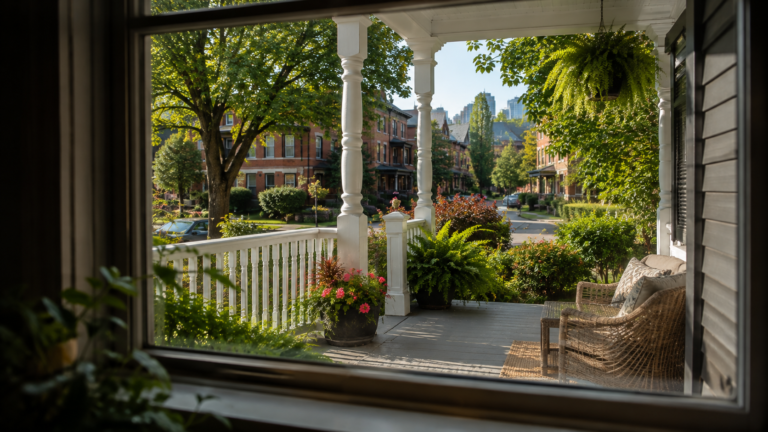
A significant portion of Highland Park’s rental inventory consists of older single family homes that have been converted into multi unit apartments. These properties are scattered throughout the neighborhood’s residential streets, often occupying lots with mature trees and established landscaping. Units in these buildings typically retain historic character elements such as hardwood floors, high ceilings, and front porches.

The conversion of homes into apartments means that rental units are often found in neighborhoods where owner occupied homes also exist, creating an integrated residential environment.

Smaller Apartment Buildings

In addition to converted homes, Highland Park has a collection of smaller apartment buildings, typically ranging from four to twelve units. These buildings are concentrated along the neighborhood’s main corridors, including Bryant Street and Highland Avenue. They offer one and two bedroom units with varying levels of updates and amenities.

Garden Style Complexes

Highland Park has a limited number of garden style apartment complexes, primarily located on the periphery of the neighborhood. These properties offer features common to suburban apartment living, including dedicated parking and on site maintenance.

Rental Prices

Rental rates in Highland Park are generally moderate compared to nearby neighborhoods like Shadyside and Lawrenceville. One bedroom apartments typically range from $900 to $1,400 per month, while two bedroom units range from $1,200 to $1,800. Three bedroom units, common in converted homes, range from $1,500 to $2,200.

For context, comparable units in Shadyside typically rent for $1,400 to $2,200 for one bedrooms and $1,800 to $3,000 for two bedrooms. Highland Park offers significant savings while providing a more residential environment.

Residential Character

Highland Park has a distinct character shaped by its park, its housing stock, and its community orientation.

Neighborhood Feel

Highland Park has a strong sense of community. The neighborhood’s residential streets are quiet and tree lined, with sidewalks that invite walking. The pace of life is slower than in more commercial neighborhoods, appealing to renters who want to come home to a peaceful environment.

Demographics

Highland Park attracts a mix of long term residents, families, young professionals, and renters. The neighborhood has a more diverse age range than student-dominated areas, creating a stable community character. This mix appeals to renters who want a neighborhood with a sense of continuity.

Architecture

The neighborhood is known for its historic architecture, including Victorian, Edwardian, and early 20th century homes. Many of these homes have been converted into apartments, allowing renters to enjoy the character of these buildings without the responsibilities of homeownership.

Bryant Street Business District

Highland Park has a small but functional commercial district along Bryant Street, near the intersection with Highland Avenue. This area features a collection of local businesses including a grocery store, pharmacy, coffee shop, and several dining options. For residents living within walking distance, daily errands can be accomplished on foot.

Practical Considerations for Renters

Before selecting Highland Park as a rental location, potential residents should consider several practical factors.

Walkability and Car Dependency

Highland Park offers a middle ground in terms of walkability. The Bryant Street commercial district provides basic services within walking distance for residents in the surrounding area. However, the neighborhood lacks the extensive retail options of Shadyside or East Liberty. Most residents maintain a car for broader shopping and regional travel.

Parking

Parking in Highland Park is generally more available than in denser neighborhoods. Many properties offer off street parking, and street parking is less competitive than in areas closer to commercial districts. For renters with vehicles, this is a significant advantage.

Rental Inventory

The rental market in Highland Park is modest in size. Because the neighborhood consists primarily of smaller buildings and converted homes, the number of available units at any given time is limited. Renters interested in Highland Park should allow time in their search and should be prepared to act when a suitable property becomes available.

Property Variability

Given the age and diversity of Highland Park’s housing stock, properties can vary significantly in condition and amenities. Renters should inspect each unit carefully and clarify what is included in terms of parking, utilities, and maintenance responsibilities. The best value often comes from well maintained properties in established buildings.

Schools

For renters with children, Highland Park is served by Pittsburgh Public Schools. Families should evaluate the district’s offerings in the context of their educational priorities. The neighborhood is within proximity to the Pittsburgh Zoo and other family amenities.

Comparing Highland Park to Other Options

For renters considering Highland Park, it helps to understand how it compares to alternative locations in the region.

Versus Shadyside

Compared to Shadyside, Highland Park offers lower rental rates, a quieter residential character, and direct access to a major park. Shadyside provides a more extensive commercial district and greater walkability. The choice between the two often comes down to whether the amenities of Shadyside justify the premium rates.

Versus East Liberty

Compared to East Liberty, Highland Park offers a more residential character and lower rental rates. East Liberty has undergone significant revitalization with new retail, dining, and apartment developments. The choice between the two depends on whether the renter prefers a quiet residential environment or a revitalizing commercial district.

Versus Morningside

Compared to Morningside, the adjacent neighborhood to the east, Highland Park offers similar residential character with the added amenity of the park. Morningside has slightly more moderate rental rates but less direct access to green space.

Versus Lawrenceville

Compared to Lawrenceville, Highland Park offers a quieter environment and more residential character. Lawrenceville has a vibrant dining and nightlife scene but higher rental rates and more challenging parking. The choice between the two depends on lifestyle preferences.

Who Should Consider Highland Park

Highland Park is best suited for renters who:

  • Value access to green space and outdoor recreation
  • Prefer a quiet, residential environment
  • Want a neighborhood with a strong sense of community
  • Appreciate historic architecture and character
  • Have a car or are willing to drive for broader shopping
  • Seek moderate rental rates compared to nearby neighborhoods

Making the Decision

Highland Park serves renters who prioritize green space, quiet living, and community character over commercial amenities and nightlife. For those who want to come home to a peaceful residential street and have a major park as their backyard, it represents one of Pittsburgh’s most appealing options.

The neighborhood works well for families who value access to the zoo, park, and playgrounds. It suits professionals who want a quiet environment after work and are willing to drive a short distance for dining and shopping. It accommodates renters who appreciate historic architecture and a sense of community.

For renters considering Highland Park, visiting the neighborhood during weekdays and weekends provides a complete picture. Walking through the park, exploring the Bryant Street business district, and experiencing the quiet residential streets helps determine whether the character aligns with personal preferences. For many renters in the Pittsburgh region, Highland Park offers a distinctive combination of quiet living and exceptional green space.

Greenfield Apartments: Affordable Living Near Oakland

For renters seeking affordable housing within easy reach of Pittsburgh’s university and medical centers, Greenfield offers one of the most practical options in the city. Located between Squirrel Hill and the South Side, this residential neighborhood provides a short commute to Oakland, home to the University of Pittsburgh, Carnegie Mellon University, and UPMC, while maintaining rental rates that are significantly lower than adjacent neighborhoods.

Greenfield represents a value-oriented choice for students, medical residents, and staff affiliated with the Oakland institutions. Its residential character, access to parks, and convenient location make it an appealing alternative for those who want to be close to campus without paying the premium rates of neighborhoods like Shadyside or Squirrel Hill.

Location and Accessibility

Greenfield’s location is its primary advantage for those affiliated with Oakland. Situated just east of the Junction Hollow, the neighborhood provides direct access to the university and medical complex.

Commute to Oakland

The drive from Greenfield to Oakland typically takes 5 to 10 minutes under normal traffic conditions. The primary route uses Greenfield Avenue to connect to Forbes Avenue or Fifth Avenue, providing direct access to the university campus and medical centers. This short commute is a significant advantage for students and staff who want to minimize travel time.

For those who prefer public transit, the Port Authority provides bus service along Greenfield Avenue and through the neighborhood, with routes connecting to Oakland. The bus commute is practical for daily use, with travel times of 10 to 15 minutes.

Access to Other Areas

Beyond Oakland, Greenfield’s location provides convenient access to other parts of the city. The neighborhood sits near the Parkway East (Interstate 376), providing connections to downtown, the airport corridor, and eastern suburbs. The Homestead Grays Bridge provides access to the Waterfront shopping complex and the Mon Valley.

Access to Squirrel Hill and the South Side

Greenfield is bordered by Squirrel Hill to the north and the South Side to the west, providing easy access to the commercial districts and amenities of both neighborhoods. For renters, this means that the dining, shopping, and entertainment options of these popular areas are just a short drive or bus ride away.

The Greenfield Rental Market

The rental housing stock in Greenfield reflects the neighborhood’s residential character. Rather than large student-oriented complexes, Greenfield offers a collection of smaller scale properties integrated into established residential neighborhoods.

Converted Historic Homes

A significant portion of Greenfield’s rental inventory consists of older single family homes that have been converted into multi unit apartments. These properties are scattered throughout the neighborhood’s residential streets, often occupying lots with mature trees and established landscaping. Units in these buildings typically retain historic character elements such as hardwood floors, high ceilings, and front porches.

The conversion of homes into apartments means that rental units are often found in neighborhoods where owner occupied homes also exist, creating an integrated residential environment.

Smaller Apartment Buildings

In addition to converted homes, Greenfield has a collection of smaller apartment buildings, typically ranging from four to twelve units. These buildings are concentrated along the neighborhood’s main corridors, including Greenfield Avenue, Ronald Street, and Murray Avenue (near the Squirrel Hill border). They offer one and two bedroom units with varying levels of updates and amenities.

Garden Style Complexes

Greenfield has a limited number of garden style apartment complexes, primarily located on the periphery of the neighborhood. These properties offer features common to suburban apartment living, including dedicated parking, on site maintenance, and modest communal amenities.

Rental Prices

The primary appeal of Greenfield is affordability. Rental rates in the neighborhood are significantly lower than in adjacent Squirrel Hill and Shadyside, while offering similar proximity to Oakland.

One bedroom apartments in Greenfield typically range from $800 to $1,200 per month, while two bedroom units range from $1,000 to $1,500. Three bedroom units, common in converted homes, range from $1,300 to $1,800.

For context, comparable units in Squirrel Hill typically rent for $1,200 to $1,800 for one bedrooms and $1,600 to $2,500 for two bedrooms. The savings can be substantial, allowing students and staff to allocate budget to other priorities.

Residential Character

Greenfield has a distinct character that appeals to renters seeking a quieter, more residential environment than the bustling areas immediately surrounding the universities.

Neighborhood Feel

Greenfield has an established, residential character. The neighborhood is primarily composed of single family homes and small apartment buildings, with tree lined streets and a pace of life that is slower than in Oakland or the South Side. For renters who want to be close to campus but prefer to come home to a quieter environment, Greenfield offers an appealing balance.

Demographics

Greenfield attracts a mix of long term residents, families, and renters affiliated with the universities. The neighborhood has a more diverse age range than student-dominated areas, creating a stable community character. This mix appeals to graduate students, medical residents, and staff who want to live in a residential neighborhood rather than a student enclave.

Community Engagement

The neighborhood has an active community organization, the Greenfield Community Association, which hosts events, maintains community spaces, and advocates for neighborhood improvements. For renters who want to feel connected to their community, this engagement is a positive factor.

Parks and Recreation

Greenfield is home to several parks and recreational areas that provide outdoor space for residents.

Greenfield Park

Greenfield Park, located in the heart of the neighborhood, provides green space, a swimming pool, athletic fields, playgrounds, and walking paths. The park serves as a community gathering space and offers outdoor recreation within walking distance for many residents.

Schenley Park

Greenfield is adjacent to Schenley Park, one of Pittsburgh’s largest and most popular regional parks. The park offers extensive trails, athletic fields, a golf course, the Schenley Park Ice Rink, and the Phipps Conservatory. For renters who value outdoor recreation, having this resource nearby adds significantly to the quality of life.

Nine Mile Run Trail

The Nine Mile Run Trail, part of the larger Allegheny County park system, runs through the eastern edge of Greenfield. The trail provides opportunities for walking, running, and biking in a natural setting.

Practical Considerations for Renters

Before selecting Greenfield as a rental location, potential residents should consider several practical factors that distinguish the neighborhood from other options.

Walkability and Car Dependency

Greenfield offers a middle ground in terms of walkability. The neighborhood has a limited commercial district along Greenfield Avenue, which includes a grocery store, pharmacy, bank, and several dining options. For residents living within walking distance of this corridor, some errands can be accomplished on foot.

However, the neighborhood lacks the extensive commercial districts of Squirrel Hill or the South Side. Most residents maintain a car for commuting and regional travel, though the short commute to Oakland makes car usage efficient.

Parking

Parking in Greenfield is generally more available than in denser neighborhoods. Many properties offer off street parking, and street parking is less competitive than in areas closer to the universities. For renters with vehicles, this is a significant advantage over neighborhoods like Oakland or the South Side.

Rental Inventory

The rental market in Greenfield is modest in size. Because the neighborhood consists primarily of smaller buildings and converted homes, the number of available units at any given time is limited. Renters interested in Greenfield should allow time in their search and should be prepared to act when a suitable property becomes available.

Property Variability

Given the age and diversity of Greenfield’s housing stock, properties can vary significantly in condition and amenities. Renters should inspect each unit carefully and clarify what is included in terms of parking, utilities, and maintenance responsibilities. The best value often comes from well maintained properties in established buildings.

Noise Considerations

Greenfield is generally quieter than neighborhoods closer to the universities. However, properties near Greenfield Avenue or the Parkway East may experience traffic noise. Renters should consider their tolerance for noise when evaluating locations.

Comparing Greenfield to Other Options

For renters affiliated with Oakland, it helps to understand how Greenfield compares to alternative locations.

Versus South Oakland

Compared to South Oakland, which is the closest residential area to the universities, Greenfield offers more affordable rental rates, better parking availability, and a quieter residential character. South Oakland offers a shorter walk to campus and a more concentrated student environment. The choice between the two often comes down to whether walkability and student atmosphere or affordability and quiet are the priority.

Versus Squirrel Hill

Compared to Squirrel Hill, Greenfield offers significantly lower rental rates and similar proximity to Oakland. Squirrel Hill provides a more extensive commercial district, better walkability, and a stronger sense of community amenities. For renters who prioritize affordability and are willing to drive for services, Greenfield provides a practical alternative.

Versus Shadyside

Compared to Shadyside, Greenfield offers much lower rental rates and a more residential character. Shadyside provides a polished urban environment with walkable shopping and dining. The choice between the two often comes down to whether the amenities of Shadyside justify the premium rates.

Versus the South Side

Compared to the South Side, Greenfield offers a quieter environment and better parking availability. The South Side offers a more active social scene and walkable nightlife. The choice between the two depends on lifestyle preferences.

Who Should Consider Greenfield

Greenfield is best suited for renters who:

  • Work or study in Oakland and want a short commute
  • Prioritize affordability and value
  • Prefer a quiet, residential environment over a student-focused atmosphere
  • Have a car or are willing to use transit for errands
  • Appreciate access to parks and outdoor recreation
  • Want to be close to Squirrel Hill and the South Side without paying their premium rents

Making the Decision

Greenfield serves renters affiliated with Oakland who prioritize affordability, a short commute, and residential character. For students, medical residents, and staff who want to live close to campus without paying premium rates, it represents one of the most practical options in the city.

The neighborhood works well for graduate students who want a quieter environment than South Oakland. It suits medical residents and staff who value a short commute and good parking availability. It accommodates those who want access to parks and outdoor recreation.

For renters considering Greenfield, visiting the neighborhood during weekdays and weekends provides a complete picture. Experiencing the short commute to Oakland, exploring Greenfield Park and the adjacent Schenley Park, and walking the residential streets helps determine whether the character aligns with personal preferences. For many renters affiliated with Pittsburgh’s universities, Greenfield offers an affordable alternative that delivers on proximity and value.

Family-Friendly Neighborhoods to Rent in Pittsburgh: A Guide for Parents

For families seeking rental housing in the Pittsburgh region, the priorities extend beyond monthly rent and square footage. Good schools, safe streets, access to parks, and a sense of community are essential factors that shape daily life for parents and children. While the city’s most popular neighborhoods may attract young professionals, several areas in the city and surrounding suburbs offer environments well suited for raising a family.

This guide highlights family-friendly neighborhoods in Pittsburgh and the surrounding suburbs, focusing on school districts, parks, recreational opportunities, and rental options that accommodate families.

What Makes a Neighborhood Family-Friendly

Family-friendly neighborhoods typically share several characteristics:

  • Strong school districts with academic programs and extracurricular offerings
  • Parks and playgrounds within walking distance or a short drive
  • Safe streets with low traffic volume and sidewalks
  • Community amenities such as libraries, pools, and recreation centers
  • Larger rental units including two and three bedroom apartments
  • Proximity to family services such as pediatricians, grocery stores, and activities

Suburban Communities with Strong Schools

Mt. Lebanon

Mt. Lebanon stands as one of the most desirable communities for families in the Pittsburgh region. Located just south of the city, this township of approximately 34,000 residents combines a well planned suburban environment with excellent schools and walkable neighborhoods.

School District:
The Mt. Lebanon School District consistently ranks among the top in Pennsylvania, with schools that receive strong performance ratings. The district operates multiple elementary schools, two middle schools, and a high school within the township.

Parks and Recreation:
Mt. Lebanon maintains an extensive park system including a main park with athletic fields, tennis courts, a swimming pool, and playgrounds. Bird Park offers walking trails and open space. Neighborhood parks throughout the township provide green space within walking distance of residences.

Rental Housing:
The rental market in Mt. Lebanon includes apartment buildings, converted homes, and newer developments. Two bedroom apartments typically range from $1,800 to $2,800 per month. Larger units suitable for families are available, particularly in converted homes.

Family Considerations:
The township’s walkable neighborhoods, strong schools, and community events make it a top choice for families. The T light rail provides transit access to downtown for commuting parents.

Upper St. Clair

Upper St. Clair, located south of Mt. Lebanon, offers a premium suburban environment with excellent schools and spacious properties. This township of approximately 20,000 residents is known for its residential character and high quality of life.

School District:
The Upper St. Clair School District has a strong reputation for academic programs and extracurricular offerings. The district operates multiple elementary schools, a middle school, and a high school.

Parks and Recreation:
Upper St. Clair has an extensive park system including the Upper St. Clair Community Center with athletic fields, walking trails, and recreational facilities. The township is also adjacent to Boyce Mayview Park and other county facilities.

Rental Housing:
The rental market in Upper St. Clair is limited compared to other communities. Two bedroom apartments typically range from $1,800 to $2,500 per month. Family-sized units may be less numerous than in other areas.

Family Considerations:
Upper St. Clair offers a quiet, residential environment with strong schools. Car ownership is essential. The township’s premium character is reflected in rental rates.

Bethel Park

Bethel Park, located approximately 10 miles south of downtown, offers a family-friendly environment with good schools, abundant parks, and access to the T light rail.

School District:
The Bethel Park School District has a reputation for strong academic programs and extracurricular offerings. The district operates multiple elementary schools, a middle school, and a high school.

Parks and Recreation:
Bethel Park is adjacent to South Park, a 2,000 acre county park offering trails, athletic fields, a golf course, and a wave pool. The township also has its own parks and a community center with fitness facilities and programs.

Rental Housing:
The rental market in Bethel Park includes garden style apartment complexes and townhome communities. Two bedroom apartments typically range from $1,400 to $2,100 per month. Townhome rentals with three bedrooms are available.

Family Considerations:
Bethel Park offers a balance of good schools, recreational opportunities, and moderate rental rates. The T provides transit access to downtown for commuting parents.

Cranberry Township

Cranberry Township, located approximately 20 miles north of Pittsburgh, represents one of the region’s fastest growing communities. The township has invested significantly in parks, schools, and community amenities.

School District:
The Seneca Valley School District serves Cranberry Township and has a reputation for strong academic programs and modern facilities. The district operates multiple elementary schools, a middle school, and a high school.

Parks and Recreation:
Cranberry Township Community Park features athletic fields, walking trails, a playground, and a spray park. North Boundary Park offers additional recreational facilities. The township has developed a growing network of trails connecting neighborhoods and parks.

Rental Housing:
The rental market in Cranberry Township is characterized by new construction and modern amenities. Two bedroom apartments typically range from $1,800 to $2,600 per month. Townhome rentals with three bedrooms are available.

Family Considerations:
Cranberry Township offers newer housing, excellent recreational facilities, and strong schools. The commute to downtown is longer than from closer suburbs, but the area has its own employment base.

Peters Township

Peters Township, located in Washington County south of Pittsburgh, offers a suburban environment with highly regarded schools and extensive recreational amenities.

School District:
The Peters Township School District has a strong reputation for academic excellence. The district operates multiple elementary schools, a middle school, and a high school.

Parks and Recreation:
Peters Township has an extensive park system including the Peters Township Community Recreation Center with indoor and outdoor facilities. Rolling Hills Park and other community parks provide athletic fields, playgrounds, and walking trails.

Rental Housing:
The rental market in Peters Township is more limited than in larger communities. Two bedroom apartments typically range from $1,400 to $2,000 per month.

Family Considerations:
Peters Township offers a high quality suburban environment with excellent schools. The commute to downtown Pittsburgh takes 30 to 40 minutes. Rental inventory is more limited than in other suburbs.

City Neighborhoods for Families

While the suburbs offer strong schools and more space, some city neighborhoods also provide family-friendly environments.

Squirrel Hill

Squirrel Hill is one of Pittsburgh’s most family-friendly city neighborhoods. The area has a strong sense of community, a self-sufficient commercial district, and good access to parks.

Schools:
Squirrel Hill is served by Pittsburgh Public Schools, including Colfax Elementary School and Allderdice High School, which are among the district’s stronger schools. Families may also consider private school options.

Parks and Recreation:
Frick Park, one of Pittsburgh’s largest regional parks, is located in Squirrel Hill. The park offers extensive trails, playgrounds, and the Frick Environmental Center. The neighborhood also has smaller parks and playgrounds.

Rental Housing:
The rental market in Squirrel Hill includes apartment buildings and converted homes. Two bedroom apartments typically range from $1,600 to $2,500 per month. Larger units suitable for families are available.

Family Considerations:
Squirrel Hill offers walkable commercial districts, strong community character, and access to Frick Park. Families should evaluate the public school options carefully.

Shadyside

Shadyside offers a polished urban environment with good access to parks and amenities. The neighborhood attracts families who value walkability and urban convenience.

Schools:
Shadyside is served by Pittsburgh Public Schools. Some families choose private school options.

Parks and Recreation:
The neighborhood has several small parks and is within walking distance of Mellon Park and the East End’s recreational facilities.

Rental Housing:
Two bedroom apartments in Shadyside typically range from $1,800 to $3,000 per month. Larger units are available but command premium rates.

Family Considerations:
Shadyside offers walkable amenities and a desirable urban environment. Families should factor school considerations into their decision.

Greenfield

Greenfield, located between Squirrel Hill and the South Side, offers a more affordable city alternative for families. The neighborhood has a residential character and good access to parks.

Schools:
Greenfield is served by Pittsburgh Public Schools, including Greenfield Elementary School.

Parks and Recreation:
The neighborhood has several small parks and is adjacent to Schenley Park and the Nine Mile Run trail system.

Rental Housing:
Rental rates in Greenfield are more moderate than in Squirrel Hill or Shadyside. Two bedroom apartments typically range from $1,200 to $1,800 per month.

Family Considerations:
Greenfield offers more affordable city living with access to parks. Families should evaluate school options.

Factors to Consider for Family Rentals

School District Boundaries

School district boundaries do not align with municipal boundaries in all cases. Families should verify which district serves a property before signing a lease, particularly in areas near district lines.

Space and Layout

Families typically need more space than singles or couples. Two and three bedroom units are essential, and features such as storage space, laundry facilities, and outdoor areas become more important.

Commute for Parents

For families with two working parents, the commute to employment centers affects time available for family activities. Balancing school quality, housing costs, and commute time is a key consideration.

Proximity to Family Services

Access to pediatricians, grocery stores, libraries, and children’s activities affects daily life. Walkable or short drive access to these services is valuable for busy families.

Comparing Family-Friendly Areas

AreaSchool District2 Bedroom RentParks AccessCommute to Downtown
Mt. LebanonMt. Lebanon$1,800-2,800Excellent15-20 min
Upper St. ClairUpper St. Clair$1,800-2,500Excellent20-30 min
Bethel ParkBethel Park$1,400-2,100Excellent25-35 min
Cranberry TownshipSeneca Valley$1,800-2,600Excellent30-40 min
Peters TownshipPeters Township$1,400-2,000Excellent30-40 min
Squirrel HillPittsburgh Public$1,600-2,500Excellent10-20 min

Making the Decision

The best family-friendly neighborhood depends on priorities around schools, budget, commute, and housing type.

For families who prioritize top rated schools and are willing to pay a premium, Mt. Lebanon and Upper St. Clair are excellent choices. For those seeking good schools with more moderate rental rates, Bethel Park offers a balance. For families who value newer construction and extensive recreational amenities, Cranberry Township is compelling. For those who prefer city living with park access, Squirrel Hill provides a family-friendly urban environment.

By visiting neighborhoods, touring schools, and experiencing the commute during peak hours, families can identify the area that best supports their needs. For many families in the Pittsburgh region, the suburbs offer the combination of strong schools, parks, and space that makes daily life manageable and enjoyable.

Emerging Neighborhoods Near Pittsburgh: Braddock Focus

For renters and investors seeking opportunities in the Greater Pittsburgh area, emerging neighborhoods offer a combination of affordability, potential, and proximity to the city that established areas cannot match. Among these up and coming locations, Braddock stands out as a community undergoing significant transformation, attracting attention for its history, its architecture, and its revitalization efforts.

Located just 10 miles east of downtown along the Monongahela River, Braddock represents one of the region’s most compelling stories of reinvention. For those willing to look beyond conventional options, the borough offers affordable rentals, access to major amenities, and the opportunity to be part of a community in transition.

What Makes a Neighborhood Emerging

An emerging neighborhood is typically characterized by several factors:

  • Affordable rental rates compared to established areas
  • Revitalization activity including new investment, renovation, and development
  • Proximity to employment centers and transportation corridors
  • Historic housing stock with character and potential
  • Community engagement from organizations and residents committed to positive change
  • Growing amenities including new businesses, services, and public spaces

Braddock exhibits all of these characteristics, making it one of the most notable emerging neighborhoods in the Pittsburgh region.

Braddock’s Transformation Story

Braddock was once a center of industrial activity, home to Andrew Carnegie’s first steel mill and a thriving working class community. The decline of the steel industry in the 1970s and 1980s led to population loss and disinvestment, but the borough has maintained its identity and its stock of historic buildings.

Over the past two decades, Braddock has become a focal point for revitalization efforts. Community development organizations, artists, entrepreneurs, and long term residents have worked to rehabilitate buildings, create community spaces, and attract new investment. The borough’s story is one of resilience and reinvestment, factors that have influenced its character and its rental market.

Key Revitalization Milestones

Several projects and initiatives have contributed to Braddock’s transformation:

  • Braddock Carnegie Library: One of the nation’s first Carnegie libraries, this historic building has been renovated and serves as a community anchor and cultural resource.
  • Community gardens and green space: Organizations have created community gardens and green spaces that add to the quality of life and provide gathering places.
  • Artist and entrepreneur migration: Creative professionals have been drawn by affordability and industrial character, establishing studios, businesses, and community projects.
  • Housing rehabilitation: Community development organizations and individual property owners have renovated historic buildings into modern apartments while preserving architectural character.

Rental Market in Braddock

Braddock’s rental market offers some of the most affordable rates in Allegheny County, making it accessible for renters who are priced out of other areas.

Rental Prices

One bedroom apartments in Braddock typically range from $600 to $900 per month, while two bedroom units range from $800 to $1,200. Three bedroom units, common in converted homes, range from $1,000 to $1,500. For context, comparable units in popular city neighborhoods like Shadyside or Lawrenceville often rent for two to three times these rates.

Housing Stock

The rental inventory in Braddock includes:

  • Apartment buildings dating from the early to mid-20th century
  • Converted historic homes offering larger units with character details
  • Properties that have undergone recent renovation with modern finishes

Many units retain historic character elements such as hardwood floors, high ceilings, and front porches. Renovated properties offer updated kitchens, bathrooms, and mechanical systems while preserving architectural features.

Recent Renovations

Braddock has seen a wave of renovation activity in recent years. Some of the borough’s historic buildings have been rehabilitated into modern apartments. These properties offer updated finishes, energy efficient systems, and contemporary amenities while maintaining the character of the neighborhood.

Location Advantages

Braddock’s location provides significant advantages for residents, particularly those who work in downtown Pittsburgh or value access to retail and entertainment.

Commute to Downtown

The drive from Braddock to downtown Pittsburgh typically takes 15 to 20 minutes via the Rankin Bridge and Parkway East. This commute compares favorably with many city neighborhoods and is shorter than most suburban options at similar price points.

Access to The Waterfront

Braddock is adjacent to The Waterfront shopping complex in neighboring Homestead. This five minute drive provides access to Target, Costco, Home Depot, a multiplex cinema, and numerous dining options. For residents, this means that the amenities typically associated with higher-priced areas are just minutes away.

Access to Employment Centers

Beyond downtown, Braddock’s location provides convenient access to other employment centers including Oakland, the Parkway East corridor, and the eastern suburbs.

Community Character

Braddock has a distinct character shaped by its industrial history and its current revitalization efforts. The borough has a mix of long term residents who have maintained their homes through decades of change and newer residents drawn by affordability and community.

Arts and Culture

Braddock has attracted artists, entrepreneurs, and community organizers drawn by its affordability and its industrial character. The Braddock Carnegie Library serves as a cultural anchor. Community gardens, creative spaces, and small businesses add to the borough’s character.

Community Organizations

Several community organizations are based in Braddock, offering programs and services that contribute to the quality of life. These include youth programs, community development initiatives, and arts organizations that provide opportunities for engagement.

Amenities and Services

While Braddock’s commercial district is modest, its proximity to The Waterfront provides access to comprehensive retail and entertainment.

The Braddock Business District

The borough’s own commercial district along Braddock Avenue and Library Street includes:

  • A grocery store for quick trips
  • A pharmacy
  • A bank
  • Several dining options

The Waterfront

The adjacent Waterfront complex provides:

  • Big box retailers including Target, Costco, and Home Depot
  • Grocery stores
  • A multiplex cinema
  • Numerous dining options
  • Fitness centers
  • Walking paths along the Monongahela River

Comparing Braddock to Other Emerging Areas

For renters considering Braddock, it helps to understand how it compares to other emerging neighborhoods in the region.

Versus Pittsburgh City Emerging Neighborhoods

Compared to city neighborhoods like Larimer, Homewood, or the Hill District, Braddock offers a shorter commute to downtown and lower rental rates. These city neighborhoods have their own revitalization efforts and may offer more city services.

Versus Other River Communities

Compared to other Mon Valley communities like Homestead, Munhall, or Rankin, Braddock offers the lowest rental rates and a high concentration of revitalization activity. Homestead has The Waterfront within its boundaries, which is a significant amenity.

Challenges and Considerations

As an emerging neighborhood, Braddock faces challenges that renters should consider.

Housing Condition

Given the age of Braddock’s housing stock, properties can vary significantly in condition and amenities. Renters should inspect each unit carefully and clarify what is included in terms of parking, utilities, and maintenance responsibilities. The best value often comes from well maintained properties, including those that have undergone recent renovation.

Commercial Amenities

Braddock’s commercial district is modest compared to established neighborhoods. While The Waterfront provides extensive retail, car ownership is necessary to access it. Renters who prefer walkable commercial districts may find Braddock’s offerings limited.

Perception and Reputation

Braddock’s industrial history and period of disinvestment have created a perception that lags behind the reality of current revitalization. Renters should visit the borough and evaluate it based on current conditions rather than reputation.

Who Should Consider Braddock

Braddock is best suited for renters who:

  • Prioritize affordability above all other factors
  • Are willing to evaluate properties individually
  • Value being part of a community in transition
  • Have a car for commuting and errands
  • Appreciate historic architecture and character
  • Are comfortable with a neighborhood that has an industrial past and a revitalizing present

Making the Decision

Braddock represents one of the most affordable opportunities to live close to downtown Pittsburgh. For renters who are willing to look beyond conventional options, the borough delivers on proximity, value, and the chance to be part of a community undergoing meaningful transformation.

The borough works well for downtown workers seeking a short commute and manageable rental costs. It suits renters who are willing to evaluate properties individually and who value being part of a community with history and character. It accommodates those who prioritize budget and are comfortable with a neighborhood that offers genuine value.

For renters considering Braddock, visiting the borough during weekdays and weekends provides a complete picture. Experiencing the short drive to The Waterfront, exploring the local business district, and walking the residential streets helps determine whether the character aligns with personal preferences. For many renters in the Pittsburgh region, Braddock offers an affordable alternative in an emerging neighborhood with significant potential.

Cranberry Township Apartments: Growth and New Development

For renters seeking a community that combines modern amenities with strategic location and economic opportunity, Cranberry Township has emerged as one of the most dynamic rental markets in the Greater Pittsburgh region. Located approximately 20 miles north of downtown Pittsburgh, this township of roughly 33,000 residents has experienced significant growth over the past two decades, transforming from a rural crossroads into a thriving suburban center with its own employment base, retail infrastructure, and diverse housing options.

Cranberry Township represents the modern suburban rental market. Unlike older suburbs developed around streetcar lines or industrial corridors, Cranberry was shaped by highway access and planned development. For renters who prioritize new construction, employment proximity, and comprehensive amenities, it offers a compelling alternative to the traditional suburban options closer to the city.

Location and Accessibility

Cranberry Township occupies a strategic position at the intersection of Interstate 79 and the Pennsylvania Turnpike (Interstate 76), making it one of the most accessible locations in the region. This highway access has driven much of the township’s growth and continues to shape its character.

Commute to Pittsburgh

The drive from Cranberry Township to downtown Pittsburgh typically takes 30 to 40 minutes via Interstate 79 south, depending on traffic conditions. The commute is longer than from closer suburbs, but the highway access makes it predictable for daily travel. For those working in the northern suburbs or the airport corridor, Cranberry’s location offers even greater convenience.

For those who prefer public transit, the Port Authority provides express bus service from Cranberry to downtown during peak hours, offering an alternative to driving. However, most residents rely on personal vehicles for commuting and daily travel.

Access to Employment Centers

One of Cranberry’s significant advantages is its role as an employment center in its own right. The township has attracted a concentration of corporate offices, healthcare facilities, and retail operations that provide jobs for residents and reduce the need for long commutes. Major employers in the area include Westinghouse Electric Company, UPMC Passavant, and numerous corporate headquarters along the Route 228 corridor.

For renters who work in Cranberry or the surrounding area, the ability to live close to employment is a significant draw. The township’s growth as an employment center has created a live-work environment that reduces commuting time for many residents.

The Cranberry Rental Market

The rental housing stock in Cranberry Township reflects the area’s recent growth and planned development. Unlike older suburbs with a mix of historic homes and garden style complexes, Cranberry offers a concentration of newer apartment communities designed with modern amenities and professional management.

Luxury Apartment Communities

The predominant rental housing type in Cranberry Township is the luxury apartment community. These properties feature contemporary architecture, professional management, and extensive amenities. Unit layouts include studio, one, two, and three bedroom floor plans with modern finishes such as granite countertops, stainless steel appliances, and in unit washers and dryers.

Amenities at these communities often include resort style swimming pools, fitness centers with modern equipment, clubhouses with communal spaces, and business centers for remote work. Many properties also offer pet amenities such as dog parks and pet washing stations, reflecting the preferences of current renters.

These communities are typically located along the Route 228 corridor or near major thoroughfares, providing convenient access to shopping, dining, and employment centers.

Garden Style Complexes

In addition to luxury apartments, Cranberry has garden style apartment complexes that offer more traditional suburban rental options. These properties consist of two or three story buildings arranged around parking areas and landscaped common spaces. While they may not have the same level of amenities as newer luxury properties, they provide functional living spaces at more moderate rental rates.

Townhome Communities

Cranberry has a significant inventory of townhome communities that offer rental opportunities. These properties provide multi level living with private entrances and often include attached garages. Townhome rentals appeal to renters who desire more space and a layout closer to single family living without the responsibilities of homeownership.

Many townhome communities in Cranberry are located within walking distance of the township’s growing network of trails and parks, providing access to outdoor recreation.

New Construction

Cranberry’s rental market is characterized by ongoing new construction. Developers continue to add apartment communities to meet the demand created by the township’s population growth and employment expansion. For renters who prefer new construction with modern layouts and amenities, Cranberry offers some of the most current options in the region.

Rental Prices

Rental rates in Cranberry Township reflect the area’s growth, new construction, and desirability. One bedroom apartments typically range from $1,400 to $2,000 per month, while two bedroom units range from $1,800 to $2,600. Luxury apartments command the higher end of these ranges, while garden style complexes offer more moderate options.

Shopping and Amenities

Cranberry Township has developed into a regional retail hub with a concentration of shopping, dining, and entertainment options that rival those of much larger communities.

Cranberry Towne Center and Retail Corridors

The intersection of Route 19 and Route 228 is the commercial heart of Cranberry Township. This area features a dense concentration of retail including big box stores, grocery chains, specialty retailers, and restaurants. A Costco, Walmart, Target, and numerous grocery stores are all located within this corridor, making nearly any shopping need accessible within a short drive.

The township also has a growing collection of dining options ranging from fast casual chains to sit down restaurants. The variety of options means that residents rarely need to travel outside the township for dining or entertainment.

Entertainment and Recreation

Cranberry Township offers entertainment options that contribute to its appeal as a complete community. The township has a multiplex cinema, recreational facilities, and a growing number of entertainment venues. The UPMC Lemieux Sports Complex, a training facility for the Pittsburgh Penguins, draws visitors and provides ice skating opportunities for residents.

Local Businesses

While national chains dominate Cranberry’s retail landscape, the township also has a collection of locally owned businesses that contribute to its character. Small restaurants, specialty shops, and service providers can be found throughout the community.

Employment and Economic Growth

Cranberry’s transformation into a regional employment center is one of the key drivers of its rental market. The township has attracted a diverse mix of employers that provide jobs across multiple sectors.

Corporate Presence

The Route 228 corridor has become a hub for corporate offices, with companies such as Westinghouse Electric Company maintaining significant operations in the area. The presence of these employers creates demand for rental housing and supports the local economy.

Healthcare

Healthcare is a significant employment sector in Cranberry, with UPMC Passavant and other medical facilities providing jobs for residents. The healthcare sector’s stability contributes to the township’s economic resilience.

Retail and Hospitality

The concentration of retail and hospitality businesses in Cranberry provides employment opportunities across a range of skill levels. For renters seeking employment close to home, the variety of options is a significant advantage.

Parks and Recreation

Cranberry Township has invested significantly in parks and recreational facilities, contributing to its quality of life.

Community Park

The Cranberry Township Community Park is a centerpiece of the township’s recreational offerings. The park features athletic fields, walking trails, playgrounds, and a spray park. It serves as a gathering place for community events and provides outdoor recreation opportunities for residents.

Trail System

Cranberry has developed a growing network of trails that connect neighborhoods, parks, and commercial areas. The trail system provides opportunities for walking, running, and biking while reducing the need for car trips for short distances.

North Boundary Park

North Boundary Park, located in the northern part of the township, offers additional recreational facilities including athletic fields, trails, and a dog park. The park provides green space for residents and contributes to the township’s quality of life.

Schools and Family Considerations

For renters with children, the Seneca Valley School District serves Cranberry Township. The district has a reputation for strong academic programs, modern facilities, and comprehensive extracurricular offerings.

School District Reputation

The Seneca Valley School District operates multiple elementary schools, a middle school, and a high school within the district. The high school, located in nearby Harmony, serves students from Cranberry and surrounding communities. The district is known for its academic programs, arts offerings, and athletic facilities.

Educational Facilities

The district has invested in modern facilities, including new school buildings and renovations to existing structures. For families, the quality of the schools is a significant factor in choosing Cranberry as a rental location.

Growth and Future Development

Cranberry Township continues to grow, with new residential, commercial, and infrastructure projects underway or planned. This growth brings new amenities and housing options, but also affects traffic patterns and the character of the community.

Planned Developments

Several new apartment communities are in development or recently completed, adding to the rental inventory. These properties offer the latest in amenities and design, appealing to renters who want new construction.

Infrastructure Improvements

The township continues to invest in road improvements, trail connections, and public facilities to support growth. These investments enhance the quality of life for residents and support the community’s continued development.

Practical Considerations for Renters

Before choosing to rent in Cranberry Township, potential residents should consider several practical factors that distinguish the area from other options in the region.

Car Dependency

Car ownership is essential for residents of Cranberry Township. The community’s layout, with its highway orientation and concentration of retail along corridors, makes walking to most destinations impractical. Most households require at least two vehicles, particularly for families with working adults and children with activities.

Rental Inventory

The rental market in Cranberry Township is substantial, with numerous apartment communities offering a range of options. Compared to older suburbs with limited multifamily housing, Cranberry provides more choices for renters, particularly those seeking new construction and modern amenities.

Commute Considerations

For renters who work in downtown Pittsburgh, the 30 to 40 minute commute should be factored into daily life. While the highway access makes the commute predictable, it is longer than from closer suburbs. For those who work in Cranberry or the northern suburbs, the location offers significant convenience.

Comparing Cranberry Township to Other Options

For renters considering Cranberry Township, it helps to understand how it compares to alternative locations in the region.

Versus Ross Township

Compared to Ross Township, Cranberry offers newer housing stock, more extensive amenities, and a growing employment base at the cost of a longer commute to downtown. Ross Township provides easier access to the city and a more established suburban character.

Versus Wexford

Compared to Wexford, which lies to the south, Cranberry offers a similar suburban character with a larger scale and more extensive retail and employment options. Both areas have newer housing stock and good schools.

Versus Pittsburgh City Neighborhoods

Compared to city neighborhoods, Cranberry offers newer construction, dedicated parking, and comprehensive amenities at the cost of a longer commute and car dependency. For renters who prioritize modern living and are comfortable with suburban life, Cranberry provides a practical alternative to city neighborhoods.

Making the Decision

Cranberry Township serves renters who prioritize new construction, modern amenities, and proximity to northern employment centers. For those seeking a community with comprehensive shopping, dining, and recreational options without the need to travel to the city, it represents a compelling option.

The township works well for professionals who work in Cranberry or the northern suburbs and want to live close to their jobs. It suits families who value newer housing, good schools, and the amenities of a planned community. It accommodates renters who are willing to accept a longer commute to downtown in exchange for modern suburban living.

For renters considering Cranberry Township, visiting the area during weekdays and weekends provides a complete picture. Experiencing the commute, exploring the retail corridors, and touring the apartment communities helps determine whether the modern suburban lifestyle aligns with personal preferences. For many renters in the Pittsburgh region, Cranberry Township offers the right combination of growth, jobs, and new developments.

Commuting from Braddock to Downtown Pittsburgh: A Practical Guide

For renters considering Braddock as a place to live, the daily commute to downtown Pittsburgh is a central consideration. Located just 10 miles east of the city along the Monongahela River, Braddock offers one of the shortest suburban commutes to downtown, with travel times that compare favorably to many city neighborhoods. Understanding the available routes, transportation options, and typical traffic patterns helps renters make informed decisions about whether Braddock fits their commuting needs.

This guide breaks down the commuting options from Braddock to downtown Pittsburgh, covering driving routes, public transit, alternative modes, and practical considerations for daily travel.

Overview of Commuting Options

Braddock’s location provides multiple options for reaching downtown Pittsburgh. The borough sits at the intersection of several transportation corridors, offering flexibility for commuters. The primary routes include:

  • Driving via the Rankin Bridge and Parkway East (Interstate 376)
  • Driving via the Homestead Grays Bridge and Parkway East
  • Public transit via Port Authority bus routes
  • Combination of driving and transit

Each option has its own characteristics in terms of travel time, cost, and reliability.

Driving Routes to Downtown

Primary Route: Rankin Bridge to Parkway East

The most direct driving route from Braddock to downtown uses the Rankin Bridge to cross the Monongahela River and connect to the Parkway East (Interstate 376). This route is the preferred choice for most commuters.

Route Details:

  • From Braddock, take Braddock Avenue or a local street to the Rankin Bridge
  • Cross the Rankin Bridge into Swissvale
  • Access the Parkway East (I-376) westbound via the Rankin Boulevard entrance
  • Follow I-376 west through the Squirrel Hill Tunnel
  • Continue on the Parkway East to the downtown exits

Travel Time:
Under normal traffic conditions, this drive takes 15 to 20 minutes. During peak morning and evening hours, traffic at the Squirrel Hill Tunnel and the downtown exits can add 5 to 10 minutes to the commute.

Distance:
Approximately 10 miles from Braddock to downtown via this route.

Alternate Route: Homestead Grays Bridge to Parkway East

An alternative driving route uses the Homestead Grays Bridge, which provides another crossing point over the Monongahela River.

Route Details:

  • From Braddock, take Braddock Avenue to the Homestead Grays Bridge
  • Cross the bridge into Homestead
  • Access the Parkway East (I-376) westbound via the Homestead entrance
  • Follow I-376 west through the Squirrel Hill Tunnel to downtown

Travel Time:
This route offers similar travel times to the Rankin Bridge route, typically 15 to 20 minutes. The Homestead entrance to the Parkway East can be slightly less congested than the Rankin Boulevard entrance during peak hours.

Surface Street Route: Braddock Avenue to Second Avenue

For commuters who prefer to avoid the Parkway East, a surface street route follows Braddock Avenue to Second Avenue along the Monongahela River.

Route Details:

  • Take Braddock Avenue west through Swissvale and into Pittsburgh
  • Continue onto Second Avenue, which runs along the Monongahela River
  • Follow Second Avenue into downtown

Travel Time:
This route takes 20 to 25 minutes, longer than the Parkway route, but avoids tunnel congestion. It is a practical alternative when the Parkway East is experiencing delays.

Peak Hour Considerations

Morning Commute

The morning commute from Braddock to downtown is most congested between 7:30 AM and 9:00 AM. The primary bottlenecks occur at:

  • The Squirrel Hill Tunnel westbound, where traffic slows significantly
  • The merge onto the Parkway East from Rankin Boulevard
  • The downtown exits, particularly the Boulevard of the Allies and Grant Street exits

Commuting earlier than 7:30 AM or after 9:00 AM typically results in smoother travel. Many commuters adjust their schedules to avoid peak congestion.

Evening Commute

The evening commute from downtown to Braddock is most congested between 4:30 PM and 6:30 PM. The same bottlenecks affect travel:

  • The Squirrel Hill Tunnel eastbound
  • The Parkway East near the Oakland and Squirrel Hill exits
  • The exit from the Parkway East to Rankin Boulevard or the Homestead entrance

Public Transit Options

Port Authority Bus Service

The Port Authority provides bus service from Braddock to downtown Pittsburgh. Several routes serve the borough, offering an alternative to driving.

Primary Bus Routes:

  • Route 61C: This route runs along Braddock Avenue and provides service to downtown via Forbes Avenue and Fifth Avenue in Oakland. Travel time to downtown is approximately 25 to 35 minutes.
  • Route 61B: This route serves Braddock and surrounding areas with connections to downtown via Forbes Avenue.

Travel Time:
Bus travel times from Braddock to downtown typically range from 25 to 35 minutes, depending on traffic and the specific route. This is longer than driving but eliminates parking costs and allows for productive use of commute time.

Frequency:
During peak hours, buses run every 20 to 30 minutes. Off-peak service is less frequent, with some routes operating every 30 to 60 minutes.

Fares:
Port Authority fares are $2.75 for a single ride. Weekly and monthly passes are available for frequent riders.

Park and Ride Options

Commuters who prefer a combination of driving and transit can use park and ride facilities near the Parkway East. The Rankin Boulevard area near the Parkway East entrance has parking options for commuters who drive to the highway and then take transit or continue driving.

Alternative Commute Methods

Biking

For cyclists, the route from Braddock to downtown follows the Great Allegheny Passage trail along the Monongahela River. This dedicated bike trail connects Braddock to downtown with a car-free route.

Route:

  • Access the Great Allegheny Passage trail at Braddock’s riverfront
  • Follow the trail west along the Monongahela River
  • Continue through Homestead, the South Side, and into downtown

Travel Time:
The bike commute takes approximately 40 to 50 minutes, depending on pace. This option appeals to cyclists who value the exercise and avoidance of traffic.

Considerations:
The trail is well maintained and offers a scenic commute. However, weather conditions and seasonal darkness are factors to consider.

Carpooling

For commuters who prefer to drive, carpooling with coworkers or neighbors can reduce fuel costs and allow use of the high occupancy vehicle (HOV) lanes on the Parkway East. The HOV lanes operate during peak hours and can significantly reduce travel time during congestion.

Parking Considerations

Parking in Downtown Pittsburgh

For those who drive to downtown, parking costs are a significant consideration. Monthly garage rates in downtown typically range from $150 to $300 per month, depending on the location. Early bird parking rates for those who arrive before 9:00 AM can reduce costs.

Parking in Braddock

Most Braddock rentals offer off street parking, with some properties providing dedicated spaces. Street parking is generally available without permit fees. For commuters who drive, the absence of parking costs in Braddock is an advantage compared to city neighborhoods where parking often requires additional fees.

Cost Comparison of Commute Options

Commute MethodTravel TimeDaily CostMonthly CostAnnual Cost
Driving (with parking)15-25 min$8-15$175-350$2,100-4,200
Driving (no parking)15-25 min$4-6$80-120$960-1,440
Bus Transit25-35 min$5.50$100-120$1,200-1,440
Biking40-50 min$0$0$0

Estimates based on typical fuel costs, parking rates, and transit fares. Actual costs vary based on vehicle efficiency, parking location, and frequency of use.

Practical Tips for Braddock Commuters

Monitor Traffic Conditions

The Squirrel Hill Tunnel is the primary bottleneck for the Braddock commute. Checking traffic apps or local traffic reports before leaving can help commuters choose the optimal route. On days with tunnel closures or major events, alternate routes or earlier departure times may be necessary.

Consider Flexible Hours

For commuters with flexible schedules, adjusting work hours to avoid peak congestion can significantly improve the commute experience. Arriving downtown before 7:30 AM or after 9:00 AM typically results in shorter travel times and less stress.

Explore Transit Options

For commuters who find driving stressful, the bus offers a viable alternative. The slightly longer travel time can be offset by the ability to read, work, or relax during the commute. Monthly transit passes offer cost savings for regular riders.

Build Time for Weather

Inclement weather affects the commute from Braddock. Snow and ice can slow travel on both the Parkway East and surface streets. Commuters should allow extra time during winter weather and consider using the surface street route when highway conditions are poor.

Comparing Braddock to Other Commuting Options

For renters considering Braddock, it helps to understand how its commute compares to other affordable areas.

AreaDrive Time to DowntownTransit OptionsParking
Braddock15-20 minBusFree off street common
Crafton10-15 minBusFree off street common
Bellevue10-15 minBusStreet/off street
Dormont10-15 minT light railStreet/paid options
Carrick15-20 minBusStreet/off street

Braddock’s commute times are comparable to these other affordable areas, with the advantage of lower rental rates and free parking.

Making the Decision

For renters considering Braddock, the commute to downtown is a manageable 15 to 20 minutes by car under normal conditions. The availability of multiple routes, bus service, and the bike trail provides options for different preferences and schedules. While the Squirrel Hill Tunnel can cause delays during peak hours, flexible scheduling and alternate routes mitigate the impact.

The combination of affordable rental rates, free parking, and a reasonable commute makes Braddock a practical choice for downtown workers who prioritize value and are willing to accept a neighborhood in transition. For many renters, the trade off between housing costs and commute time works in Braddock’s favor, offering significant savings with a commute that compares favorably to other affordable areas.

Cheap Apartments in Pittsburgh Under $1,200: A Practical Guide

For renters on a budget, finding an apartment in Pittsburgh for under $1,200 per month is achievable with the right strategy and expectations. While the city’s most popular neighborhoods command higher rates, several areas offer functional housing at attainable prices. Understanding where to look and what trade offs to expect helps renters make informed decisions.

This guide highlights neighborhoods and strategies for finding affordable apartments in Pittsburgh, focusing on areas where rental rates consistently fall below the citywide median.

Understanding the Pittsburgh Rental Market

As of recent data, the median rent for a one bedroom apartment in the Pittsburgh metropolitan area ranges from approximately $1,400 to $1,800 per month in popular neighborhoods. Finding units under $1,200 requires looking beyond the most hyped areas and considering factors such as location, building age, and amenities.

What $1,200 Gets You

At this price point, renters can typically expect:

  • One bedroom apartments in affordable neighborhoods
  • Two bedroom units in the most affordable areas
  • Older buildings without luxury amenities
  • Limited or no off street parking in some cases
  • Functional kitchens and bathrooms without high-end finishes
  • Units that may require some flexibility regarding layout and condition

Trade Offs to Consider

Affordability often comes with trade offs. Renters may need to accept:

  • A longer commute to downtown or employment centers
  • A neighborhood with fewer walkable amenities
  • An older building with original features rather than modern renovations
  • Limited parking options
  • A community in transition rather than an established desirable neighborhood

Affordable City Neighborhoods

Carrick

Carrick, located in the southern part of the city, offers some of the most affordable rental rates within Pittsburgh city limits. This residential neighborhood has a mix of single family homes and small apartment buildings.

Rental rates in Carrick typically range from $700 to $1,000 for one bedroom apartments and $900 to $1,300 for two bedroom units. The neighborhood has a suburban feel with easy access to Route 51 and the Liberty Tunnels. The commute to downtown takes approximately 15 to 20 minutes by car.

Considerations include limited walkable amenities and a quieter, residential character. Carrick appeals to renters who prioritize affordability and don’t require a vibrant commercial district at their doorstep.

Beechview

Beechview, located just south of the Liberty Tunnels, offers affordable rentals with T light rail access. This neighborhood has a mix of housing types, including apartment buildings and converted homes along Broadway Avenue.

One bedroom apartments in Beechview typically range from $800 to $1,100 per month, while two bedroom units range from $1,000 to $1,400. The T provides direct access to downtown with travel times of 10 to 15 minutes. The neighborhood’s commercial corridor along Broadway Avenue offers local shops and dining.

Considerations include challenging parking in some areas and a neighborhood character that is denser than suburbs but less polished than more expensive city neighborhoods.

Brookline

Brookline, adjacent to Beechview, offers a similar value proposition with a well established commercial district along Brookline Boulevard. The neighborhood has a strong sense of community and a mix of housing types.

One bedroom apartments in Brookline typically range from $800 to $1,100 per month, while two bedroom units range from $1,000 to $1,400. The commute to downtown takes 15 to 20 minutes by car, and bus service is available. Brookline Boulevard offers a grocery store, pharmacy, and a variety of dining options within walking distance for many residents.

Considerations include limited transit options compared to neighborhoods with T access and a residential character that appeals to families and long term residents.

West End

The West End, located across the Ohio River from downtown, offers affordable rentals with a very short commute. This neighborhood is one of the closest to downtown while maintaining moderate rental rates.

One bedroom apartments in the West End typically range from $700 to $1,000 per month, while two bedroom units range from $900 to $1,300. The drive to downtown takes 5 to 10 minutes via the West End Bridge. The neighborhood has a small commercial district and easy access to the North Side and the Parkway West.

Considerations include a limited rental inventory and a neighborhood character that is more industrial than residential in some areas.

Sheraden

Sheraden, located west of the West End, offers affordable rentals with convenient access to the Parkway West. This residential neighborhood has a mix of housing types and a quiet character.

One bedroom apartments in Sheraden typically range from $700 to $1,000 per month, while two bedroom units range from $900 to $1,300. The commute to downtown takes 10 to 15 minutes by car. The neighborhood is close to the West End and the Parkway West corridor.

Considerations include limited walkable amenities and a more suburban feel within the city limits.

Affordable Suburban Areas

Crafton

Crafton, located just west of the city, offers affordable rentals with a 10 to 15 minute commute to downtown. This borough has a walkable business district with a grocery store and local businesses.

One bedroom apartments in Crafton typically range from $800 to $1,200 per month, while two bedroom units range from $1,000 to $1,500. The borough offers a mix of converted historic homes and smaller apartment buildings. Parking is generally available, and the short commute is a significant advantage.

Considerations include a limited rental inventory and a neighborhood character that is established but less polished than premium suburbs.

Bellevue

Bellevue, located along the Ohio River just northwest of downtown, offers affordable rentals with a 10 to 15 minute commute. This borough has a walkable commercial district along Lincoln Avenue with a grocery store, pharmacy, and dining options.

One bedroom apartments in Bellevue typically range from $800 to $1,200 per month, while two bedroom units range from $1,000 to $1,500. The rental market includes converted homes and smaller apartment buildings. The proximity to the North Side and downtown is a significant advantage.

Considerations include a limited rental inventory and a neighborhood character that balances urban accessibility with suburban space.

Dormont

Dormont, located just south of the Liberty Tunnels, offers affordable rentals with T light rail access to downtown. This borough has a walkable commercial district along West Liberty Avenue with a grocery store, pharmacy, and dining options.

One bedroom apartments in Dormont typically range from $900 to $1,300 per month, placing some units within the under $1,200 range. Two bedroom units range from $1,200 to $1,800, with the most affordable units meeting the price target. The T provides 10 to 15 minute access to downtown, eliminating parking costs for commuters.

Considerations include challenging parking in areas close to the T stations and a denser, more urban feel than other suburbs.

Braddock

Braddock, located 10 miles east of downtown, offers some of the lowest rental rates in Allegheny County. This borough is adjacent to The Waterfront shopping complex, providing access to extensive retail within a short drive.

One bedroom apartments in Braddock typically range from $600 to $900 per month, while two bedroom units range from $800 to $1,200. Three bedroom units range from $1,000 to $1,500. The commute to downtown takes 15 to 20 minutes by car. The borough has a mix of historic housing stock and recent renovations.

Considerations include a neighborhood in transition, variable housing conditions, and the necessity of car ownership.

McKees Rocks and Stowe Township

McKees Rocks and adjacent Stowe Township, located just west of the city, offer affordable rentals with a short commute to downtown. These communities have a mix of housing types and a working class character.

One bedroom apartments in McKees Rocks typically range from $600 to $900 per month, while two bedroom units range from $800 to $1,200. The commute to downtown takes 10 to 15 minutes by car via the McKees Rocks Bridge. The area has a commercial corridor and access to the Ohio River.

Considerations include a more industrial character in some areas and variable housing conditions.

Strategies for Finding Affordable Rentals

Consider Older Buildings

Buildings constructed before the 1950s often offer lower rents than newer properties. While they may lack modern finishes and amenities, they frequently provide larger square footage and character details such as hardwood floors and high ceilings.

Look Beyond Popular Neighborhoods

Neighborhoods like Shadyside, Lawrenceville, Squirrel Hill, and the Strip District command premium rents. Expanding the search to adjacent areas like Carrick, Beechview, Crafton, and Bellevue can yield significant savings while maintaining reasonable commute times.

Evaluate Trade Offs on Parking

In many affordable neighborhoods, street parking is available without permit fees. Renters who are comfortable with street parking can save the monthly fees associated with garage parking in premium areas.

Consider Roommates

For renters willing to share housing, two bedroom apartments under $2,400 split between two roommates or three bedroom apartments under $3,600 split three ways can bring individual costs well below $1,200. This strategy works particularly well in neighborhoods with larger units like Carrick, Beechview, and Crafton.

Explore Renovated Properties

Some affordable neighborhoods have seen renovation activity in recent years, with older buildings being updated with modern kitchens and bathrooms while maintaining affordable rents. Braddock, in particular, has several renovated properties within this price range.

Comparing Affordable Areas

For renters seeking apartments under $1,200, understanding the trade offs between different areas helps clarify priorities.

Commute

Crafton, Bellevue, the West End, and McKees Rocks offer the shortest commutes, typically 10 to 15 minutes to downtown. Dormont and Beechview offer T transit access with similar travel times. Carrick and Brookline require 15 to 20 minute drives. Braddock requires 15 to 20 minutes via the Parkway East.

Walkability

Dormont, Bellevue, and Brookline offer the most walkable commercial districts, with grocery stores and dining options accessible on foot. Crafton and Carnegie have walkable business districts with basic services. Carrick, Sheraden, and McKees Rocks have more limited walkable amenities.

Transit Access

Dormont and Beechview offer T light rail access to downtown. Crafton, Bellevue, Carrick, and Brookline have bus service. Braddock has bus service along Braddock Avenue. McKees Rocks has bus connections.

Housing Stock

Crafton, Bellevue, Dormont, and Carnegie offer a mix of converted historic homes and smaller apartment buildings with character. Braddock and McKees Rocks offer the lowest rates with variable housing conditions. Carrick and Brookline have a mix of single family homes and small apartment buildings.

Making the Decision

Finding an apartment in Pittsburgh for under $1,200 per month is achievable with a strategic approach. Renters should prioritize their most important factors whether that is commute time, walkability, transit access, or housing character and be flexible on other aspects.

For those who prioritize the shortest commute, Crafton, Bellevue, and the West End offer 10 to 15 minute drives with rents within reach. For renters who value transit access, Dormont and Beechview provide T access to downtown with one bedroom units available under $1,200. For those seeking the lowest possible rents, Braddock and McKees Rocks offer one and two bedroom units well below the target price.

By expanding the search beyond popular neighborhoods, evaluating trade offs realistically, and visiting properties in person to assess condition, renters can find functional housing that meets their budget and lifestyle needs.

Carnegie Apartments: Small-Town Feel Close to Pittsburgh

For renters seeking a location that combines small-town character with easy access to Pittsburgh, Carnegie offers a practical option that often goes overlooked. Located just six miles southwest of downtown, this borough of approximately 8,000 residents sits at the confluence of Chartiers Creek and the West End, providing a short commute to the city while maintaining its own distinct identity.

Carnegie represents a middle ground in the regional rental market. It lacks the high profile of trendy city neighborhoods and the expansive amenities of suburban townships, but it delivers what many renters prioritize: affordable rental rates, a walkable business district, and convenient access to downtown. For those willing to look beyond the most hyped locations, Carnegie offers genuine value and a strong sense of community.

Location and Accessibility

Carnegie’s greatest asset is its location. Situated just southwest of Pittsburgh, the borough is bordered by the West End and connects to the city through a network of bridges and roadways. This positioning makes Carnegie one of the closest suburbs to downtown, with commute times that compare favorably to many city neighborhoods.

Commute to Downtown

The drive from Carnegie to downtown Pittsburgh typically takes 10 to 15 minutes under normal traffic conditions. The primary route uses the West End Bridge or the Fort Pitt Bridge, providing direct access to the city’s central business district. This short commute is a significant advantage for professionals working downtown who want to minimize travel time without paying city rental rates.

For those who prefer public transit, the Port Authority provides bus service along West Main Street and through the borough, with routes connecting to downtown and other destinations. The bus commute is practical for daily use, with travel times that align with driving during peak hours.

Access to Employment Centers

Beyond downtown, Carnegie’s location provides convenient access to other employment centers. The borough sits near the Parkway West (Interstate 376), which provides connections to the Pittsburgh International Airport corridor, and Route 60, which leads to the northern suburbs. This connectivity makes Carnegie a workable base for workers whose jobs are distributed across the western and central parts of the region.

Access to Robinson Town Centre

Carnegie is located within a 10 minute drive of Robinson Town Centre, a major retail and dining destination. This proximity provides residents with access to a concentration of shopping, restaurants, and entertainment without the need to travel into the city.

The Carnegie Rental Market

The rental housing stock in Carnegie reflects the borough’s history as an industrial and railroad town. Rather than large garden style complexes or new luxury buildings, Carnegie offers a collection of smaller scale properties integrated into established residential neighborhoods.

Converted Historic Homes

A significant portion of Carnegie’s rental inventory consists of older single family homes that have been converted into multi unit apartments. These properties are scattered throughout the borough’s residential streets, often occupying lots with mature trees and established landscaping. Units in these buildings typically retain historic character elements such as hardwood floors, high ceilings, and front porches.

The conversion of homes into apartments means that rental units are often found in neighborhoods where owner occupied homes also exist, creating an integrated residential environment.

Smaller Apartment Buildings

In addition to converted homes, Carnegie has a collection of smaller apartment buildings, typically ranging from four to twelve units. These buildings are concentrated along the borough’s main corridors, including West Main Street and Mansfield Avenue, as well as on side streets near the business district. They offer one and two bedroom units with varying levels of updates and amenities.

Garden Style Complexes

Carnegie has a limited number of garden style apartment complexes, primarily located on the borough’s periphery. These properties offer features common to suburban apartment living, including dedicated parking, on site maintenance, and modest communal amenities. For renters who prefer the predictability of a professionally managed complex, these options exist within the borough.

Rental Prices

The primary appeal of Carnegie is affordability. Rental rates in the borough are generally lower than in nearby city neighborhoods and below the premiums commanded by more prominent suburbs. One bedroom apartments typically range from $800 to $1,200 per month, while two bedroom units range from $1,000 to $1,500. Three bedroom units, common in converted homes, range from $1,300 to $1,800.

For context, comparable units in city neighborhoods like Shadyside or Lawrenceville often rent for two to three times these rates. The savings can be substantial, allowing renters to allocate budget to other priorities.

The Carnegie Business District

Carnegie’s commercial center, centered along West Main Street, offers a vibrant and increasingly dynamic collection of local businesses. Unlike many suburbs where retail is concentrated along highways, Carnegie’s business district is walkable and integrated into the residential fabric of the borough.

Local Shops and Services

The West Main Street business district features a collection of independently owned shops, restaurants, and services. A grocery store, pharmacy, bank, and several dining options are all located within this compact, walkable area. For residents living within walking distance of West Main Street, daily errands can be accomplished without a car.

The business district has a functional, community-oriented character. For renters who prioritize practicality over prestige, this straightforward environment can be appealing. The focus is on meeting daily needs while maintaining the character of a small town.

Dining Options

Carnegie has developed a reputation as a dining destination in recent years, with several acclaimed restaurants opening along West Main Street. The concentration of dining options provides variety within walking distance for many residents. Coffee shops, cafes, and casual eateries add to the district’s appeal.

The Carnegie Music Hall and Library

The Carnegie Music Hall and Library, located at the heart of the business district, serve as cultural anchors for the borough. The historic building hosts concerts, lectures, and community events, contributing to the sense of place and community engagement.

Community Character

Carnegie has a distinct character shaped by its history and its current revitalization. The borough has a strong sense of community that appeals to renters seeking connection and stability.

Small-Town Feel

Despite its proximity to Pittsburgh, Carnegie maintains a small-town atmosphere. The business district has a scale that invites walking and lingering. Community events, local businesses, and the historic architecture create an environment that feels distinct from the city while remaining connected to it.

Demographics

Carnegie attracts a diverse mix of residents. Young professionals are drawn by the affordable rental rates and short commute. Families appreciate the walkable neighborhoods and the proximity to parks. The borough also has a stable base of long term residents who contribute to the sense of community.

Revitalization Efforts

Carnegie has seen revitalization efforts in recent years, with investment in the business district, new residential development, and community programming. This momentum has brought new energy to the borough while preserving its historic character.

Parks and Recreation

Carnegie maintains several parks and recreational areas that provide opportunities for outdoor activities.

Carnegie Park

Carnegie Park, located near the center of the borough, provides green space, a swimming pool, athletic fields, and playgrounds. The park serves as a community gathering space and offers outdoor recreation within walking distance for many residents.

Chartiers Creek

Chartiers Creek runs through the borough, providing green space and walking paths. The creek and its surroundings offer opportunities for walking, running, and enjoying the outdoors.

Proximity to Regional Parks

Carnegie is within a short drive of several regional parks, including Settlers Cabin Park and the Montour Trail. For renters who value outdoor recreation, the area offers a range of options.

Practical Considerations for Renters

Before selecting Carnegie as a rental location, potential residents should consider several practical factors that distinguish the borough from other options in the region.

Walkability and Car Dependency

Carnegie offers a middle ground in terms of walkability. The West Main Street business district is walkable for residents living within a half mile radius, allowing for errands on foot. However, the borough lacks the extensive retail options of larger suburbs, meaning that trips for specialty items or broader shopping require a car.

Most residents maintain a car for commuting and regional travel. The advantage is that Carnegie’s location keeps driving distances short for most destinations, minimizing transportation costs compared to more distant suburbs.

Rental Inventory

The rental market in Carnegie is modest in size. Because the borough is small and consists primarily of smaller buildings, the number of available units at any given time is limited. Renters interested in Carnegie should allow time in their search and should be prepared to act when a suitable property becomes available.

Property Variability

Given the age and diversity of Carnegie’s housing stock, properties can vary significantly in condition and amenities. Renters should inspect each unit carefully and clarify what is included in terms of parking, utilities, and maintenance responsibilities. The best value in Carnegie often comes from well maintained properties in established buildings.

Parking

Parking in Carnegie is generally available, with many properties offering off street parking. Street parking is less competitive than in city neighborhoods, though areas near the business district can be busy during peak hours.

Schools and Family Considerations

For renters with children, Carnegie is served by the Carlynton School District, which includes the borough along with neighboring communities. The district provides educational options for families choosing to rent in the area.

Comparing Carnegie to Other Options

For renters considering Carnegie, it helps to understand how it compares to alternative locations in the region.

Versus Pittsburgh City Neighborhoods

Compared to city neighborhoods like Shadyside, Lawrenceville, or the South Side, Carnegie offers lower rental rates and easier parking at the cost of fewer walkable amenities and a less vibrant commercial district. For renters who prioritize affordability and a short commute, Carnegie provides a practical alternative to city neighborhoods.

Versus Crafton

Compared to Crafton, which lies just to the north, Carnegie offers a similar value proposition with a slightly different character. Both offer affordable rentals and short commutes. Carnegie’s West Main Street business district is more developed than Crafton’s commercial area, and the borough has a stronger dining scene.

Versus Dormont

Compared to Dormont, Carnegie offers a similar commute time with more affordable rental rates. Dormont provides T light rail access to downtown, while Carnegie relies on bus service. The choice between the two often comes down to whether transit access or lower rent is the priority.

Versus Robinson Township

Compared to Robinson Township, which lies to the west, Carnegie offers a shorter commute to downtown and a more walkable business district. Robinson offers more extensive retail options and newer apartment complexes but requires a longer drive to the city.

Making the Decision

Carnegie serves renters who prioritize affordability, a short commute, and small-town character. For those who want to live close to downtown without paying city prices, it represents a practical choice.

The borough works well for downtown workers seeking a short commute and manageable rental costs. It suits renters who appreciate established neighborhoods and a stable community character. It accommodates those who want walkable access to basic services and a growing dining scene without requiring a full urban environment.

For renters considering Carnegie, visiting the borough during weekday hours provides a clear picture of the commute and the business district. Walking West Main Street, exploring the residential streets, and experiencing the short drive to downtown helps determine whether the character aligns with personal preferences. For many renters in the Pittsburgh region, Carnegie offers an affordable alternative with a small-town feel and exceptional access to the city.

Canonsburg Apartments: Expanding Suburban Rental Market

For renters seeking a growing suburban community with convenient access to Pittsburgh and Washington County employment centers, Canonsburg offers an increasingly compelling option. Located approximately 20 miles southwest of downtown Pittsburgh, this borough of roughly 9,000 residents has experienced significant growth and revitalization in recent years, attracting new residential development, retail, and dining options.

Canonsburg represents an expanding segment of the regional rental market. It combines the character of a historic small town with the amenities of a growing suburb, offering renters a range of housing options at moderate price points. For those willing to consider areas beyond the immediate Pittsburgh suburbs, Canonsburg delivers on value, accessibility, and quality of life.

Location and Accessibility

Canonsburg’s location at the intersection of several major transportation corridors is one of its primary advantages. Situated along Interstate 79 and Route 19, the borough provides efficient access to Pittsburgh, the airport corridor, and Washington County employment centers.

Commute to Pittsburgh

The drive from Canonsburg to downtown Pittsburgh typically takes 25 to 35 minutes under normal traffic conditions. The primary route uses Interstate 79 north to the Parkway West (Interstate 376), providing a direct corridor into the city. This commute is comparable to many suburban communities at similar distances from the city center.

For those who prefer public transit, the Port Authority provides express bus service from the Canonsburg area to downtown Pittsburgh. While service is less frequent than in closer suburbs, it provides an alternative to driving for daily commuting.

Access to Employment Centers

Canonsburg’s location provides convenient access to several employment centers. The borough sits near Southpointe, a major business park in neighboring Cecil Township that hosts corporate offices, technology firms, and the headquarters of several energy companies. For renters who work in Southpointe, the ability to live close to employment is a significant advantage.

The borough also provides access to the Parkway West corridor, which connects to the Pittsburgh International Airport and other western suburbs. Interstate 79 provides connections to Washington, Pennsylvania, and points south.

Regional Connectivity

Canonsburg’s location at the junction of I-79 and Route 19 makes it a convenient base for workers whose jobs are distributed across the western and southern parts of the region. The area’s highway access reduces commuting times to a range of employment centers.

The Canonsburg Rental Market

The rental housing stock in Canonsburg reflects the area’s growth and revitalization. Renters will find a mix of historic properties, garden style complexes, and newer developments that have been added in recent years.

Historic Properties

Canonsburg’s downtown area features a collection of historic buildings that have been converted into apartments. These properties offer character features such as hardwood floors, high ceilings, and architectural details from the borough’s history. Units in these buildings provide a sense of place and connection to the community’s heritage.

Garden Style Apartment Complexes

The rental market in Canonsburg includes garden style apartment complexes located throughout the borough and surrounding areas. These properties typically feature one, two, and three bedroom units with dedicated parking and amenities such as swimming pools and fitness centers. They appeal to renters seeking functional living spaces at moderate price points.

Newer Developments

Canonsburg has seen new apartment construction in recent years, particularly in areas near the downtown and along the Route 19 corridor. These newer properties offer modern finishes, open floor plans, and amenities such as in unit laundry, fitness centers, and community spaces. For renters seeking contemporary living in a suburban setting, these options provide an alternative to older complexes.

Rental Prices

Rental rates in Canonsburg are generally moderate compared to closer Pittsburgh suburbs. One bedroom apartments typically range from $900 to $1,400 per month, while two bedroom units range from $1,200 to $1,800. Newer developments command the higher end of these ranges, while garden style complexes and historic properties offer more affordable options.

Downtown Revitalization

Canonsburg’s downtown has undergone significant revitalization in recent years, transforming into a vibrant commercial district with dining, shopping, and community gathering spaces.

Main Street Commercial District

The downtown area along Pike Street and the surrounding streets features a collection of locally owned businesses, restaurants, and services. The district has attracted several acclaimed restaurants, making it a dining destination for the region. Coffee shops, boutiques, and specialty retailers add to the downtown’s appeal.

For renters living in or near downtown, the walkable commercial district provides access to dining and entertainment without requiring a car. The revitalization has created a sense of energy and community that attracts residents.

Community Events

Canonsburg hosts community events throughout the year, including the annual Canonsburg Fourth of July celebration, which draws visitors from across the region. Farmers markets, concerts, and seasonal events create opportunities for residents to connect and contribute to the community’s character.

Historic Character

The downtown area retains its historic character, with buildings dating to the borough’s history as a transportation and manufacturing center. The combination of historic architecture and new investment creates a distinctive environment that appeals to renters seeking a sense of place.

Shopping and Amenities

Canonsburg offers a range of shopping and services within the borough and in the surrounding area.

Local Shops and Services

The downtown area provides access to a grocery store, pharmacy, banks, and other services. For daily errands, residents can find what they need within a short drive or walk.

Regional Retail

For broader shopping needs, the Route 19 corridor offers a concentration of retail including big box stores, grocery chains, and shopping centers. The area provides convenient access to retailers such as Walmart, Giant Eagle, and numerous dining options.

Southpointe

The adjacent Southpointe business park includes additional amenities, including restaurants, fitness centers, and a golf course. For residents who work in Southpointe, these amenities are conveniently located.

Parks and Recreation

Canonsburg and the surrounding area offer a range of parks and recreational opportunities.

Canonsburg Lake

Canonsburg Lake, located just outside the borough, provides opportunities for fishing, boating, and walking. The lake and surrounding park offer green space for outdoor recreation within a short drive of most residences.

Local Parks

The borough maintains several parks that provide green space, playgrounds, and athletic facilities. These parks serve as gathering places for community events and offer recreational opportunities for residents.

Proximity to Regional Parks

Canonsburg is within a 20 minute drive of several regional parks, including South Park and the Montour Trail. For renters who value outdoor recreation, the area offers a range of options.

Schools and Family Considerations

For renters with children, Canonsburg is served by the Canon-McMillan School District, which has a reputation for strong academic programs and modern facilities. The district has seen significant investment in recent years, with new school buildings and renovations.

School District Reputation

The Canon-McMillan School District serves Canonsburg and surrounding communities. The district is known for its academic programs, arts offerings, and athletic facilities. For families, the quality of the schools is a significant factor in choosing Canonsburg as a rental location.

Educational Facilities

The district operates multiple elementary schools, a middle school, and a high school. The high school, located just outside the borough, has modern facilities and a comprehensive program.

Practical Considerations for Renters

Before choosing to rent in Canonsburg, potential residents should consider several practical factors that distinguish the area from other options in the region.

Car Dependency

Car ownership is essential for residents of Canonsburg. While the downtown area is walkable, the borough’s layout and the distribution of amenities make car ownership necessary for most activities. Most households require at least one vehicle, and families with two working adults may need a second.

However, the area’s highway access makes driving efficient. The commute to downtown Pittsburgh and Southpointe is straightforward, and daily errands are easily accomplished.

Rental Inventory

The rental market in Canonsburg has grown in recent years, with new developments adding to the inventory. Renters have options across price points and housing types, from historic downtown apartments to garden style complexes and newer developments.

Commute Considerations

For renters who work in downtown Pittsburgh, the 25 to 35 minute commute should be factored into daily life. While the highway access makes the commute predictable, it is longer than from closer suburbs. For those who work in Southpointe or the airport corridor, the location offers significant convenience.

Growth and Development

Canonsburg’s growth means that new development is ongoing, which can affect traffic patterns and add new amenities. Renters should consider the stage of development in their specific area when evaluating properties.

Comparing Canonsburg to Other Options

For renters considering Canonsburg, it helps to understand how it compares to alternative locations in the region.

Versus Closer South Hills Suburbs

Compared to closer South Hills suburbs like Bethel Park or Upper St. Clair, Canonsburg offers more moderate rental rates and a longer commute to downtown. The trade off is between proximity to the city and affordability. For renters who work in Southpointe or the airport corridor, Canonsburg may actually offer a shorter commute.

Versus Cranberry Township

Compared to Cranberry Township, which is located north of Pittsburgh, Canonsburg offers a similar suburban character with a different employment focus. Both areas have grown significantly and offer new apartment developments. The choice between the two often comes down to which side of the city is more convenient for employment and lifestyle.

Versus Washington

Compared to Washington, Pennsylvania, which is farther south, Canonsburg offers a shorter commute to Pittsburgh and proximity to Southpointe. Washington offers even more moderate rental rates but a longer drive to the city.

Making the Decision

Canonsburg serves renters who prioritize suburban living with access to both Pittsburgh and Washington County employment centers. For those seeking a community with a revitalized downtown, growing amenities, and moderate rental rates, it represents a compelling option.

The borough works well for professionals who work in Southpointe or the airport corridor and want a short commute. It suits renters who value a community with a historic downtown and a growing retail and dining scene. It accommodates those who are willing to accept a longer commute to downtown in exchange for more affordable rents and suburban living.

For renters considering Canonsburg, visiting the downtown area, exploring the retail corridors, and touring the apartment communities provides a complete picture. Experiencing the commute to employment centers and walking the historic streets helps determine whether the character aligns with personal preferences. For many renters in the Pittsburgh region, Canonsburg offers a growing suburban rental market with accessibility and value.

Bridgeville Apartments: Growing Area with Easy Access to Pittsburgh

For renters seeking a location that combines suburban convenience with easy access to Pittsburgh, Bridgeville offers a practical option in the South Hills. Located approximately 12 miles southwest of downtown, this borough of roughly 5,000 residents has developed into a growing community with convenient highway access, expanding retail options, and a range of rental properties.

Bridgeville represents a middle ground in the regional rental market. It lacks the high profile of some South Hills communities, but it delivers what many renters prioritize: convenient access to major highways, proximity to shopping and services, and rental rates that are generally more affordable than premium suburbs. For those willing to look beyond the most hyped locations, Bridgeville offers a practical combination of accessibility and value.

Location and Accessibility

Bridgeville’s greatest asset is its location at the intersection of several major transportation corridors. Situated at the junction of Interstate 79 and Route 50, the borough provides efficient access to downtown Pittsburgh, the airport corridor, and the South Hills.

Commute to Pittsburgh

The drive from Bridgeville to downtown Pittsburgh typically takes 20 to 25 minutes under normal traffic conditions. The primary route uses Interstate 79 north to the Parkway West (Interstate 376), providing a direct corridor into the city. This commute is comparable to many South Hills suburbs and significantly shorter than communities farther from the city.

For those who prefer public transit, the Port Authority provides bus service along Washington Avenue and Route 50, with routes connecting to downtown and other destinations. While service is not as frequent as in closer suburbs, it provides an alternative to driving for daily commuting.

Access to Employment Centers

Beyond downtown, Bridgeville’s location provides convenient access to several employment centers. The borough sits near the Parkway West corridor, which hosts corporate offices, healthcare facilities, and the Pittsburgh International Airport. Interstate 79 provides connections to the South Hills and points south. This connectivity makes Bridgeville a workable base for workers whose jobs are distributed across the western and southern parts of the region.

Access to the Airport

For renters who work at or near the Pittsburgh International Airport, Bridgeville’s location is a significant advantage. The drive via Interstate 376 west takes approximately 15 to 20 minutes, making it one of the closer suburban options to the airport corridor.

The Bridgeville Rental Market

The rental housing stock in Bridgeville reflects the borough’s growth and development. Rather than the converted historic homes found in closer suburbs, Bridgeville offers a mix of garden style apartment complexes and newer developments.

Garden Style Apartment Complexes

The predominant rental housing type in Bridgeville is the garden style apartment complex. These properties typically consist of two or three story buildings arranged around parking areas and landscaped common spaces. Unit layouts emphasize functionality and square footage, with one, two, and three bedroom floor plans available.

These complexes generally offer features that appeal to renters seeking convenience and low maintenance living. On site laundry facilities or in unit washer and dryer connections are standard. Many properties include communal amenities such as swimming pools, fitness centers, and clubhouses. Parking is provided in dedicated lots.

Newer Apartment Developments

Bridgeville has seen new apartment construction in recent years, particularly along the Washington Avenue corridor. These newer properties offer modern finishes, updated layouts, and amenities such as in unit laundry, fitness centers, and covered parking. For renters seeking contemporary living in a suburban setting, these options provide an alternative to older complexes.

Townhome Communities

In addition to traditional apartments, Bridgeville has townhome communities that offer rental opportunities. These properties provide multi level living with private entrances and often include attached garages. Townhome rentals appeal to renters who desire more space and a layout closer to single family living without the responsibilities of homeownership.

Rental Prices

Rental rates in Bridgeville are generally moderate compared to premium South Hills suburbs like Mt. Lebanon or Upper St. Clair. One bedroom apartments typically range from $1,000 to $1,500 per month, while two bedroom units range from $1,300 to $1,900. Newer luxury apartments command the higher end of these ranges, while garden style complexes offer more affordable options.

Shopping and Convenience

Bridgeville has developed into a retail hub for the southwestern suburbs, with a concentration of shopping, dining, and services that meet most daily needs.

Retail Corridors

Washington Avenue and the surrounding area feature a dense concentration of retail options. Major grocery chains including Giant Eagle and Aldi have locations within the borough. Big box retailers such as Walmart, Home Depot, and Kohl’s are easily accessible. For pharmacy needs, CVS and Walgreens operate multiple locations in the area.

This retail density means that errands that might require planning and travel in some communities can be accomplished quickly in Bridgeville. A renter can complete grocery shopping, visit a pharmacy, and pick up household items within a short drive from their apartment.

Bridgeville Plaza and Other Shopping Centers

Bridgeville Plaza and other shopping centers along Washington Avenue provide additional retail options, including dining, services, and specialty retailers. The concentration of shopping means that residents rarely need to travel outside the borough for daily needs.

Dining Options

Bridgeville offers a range of dining options, from fast casual establishments to sit down restaurants. The borough has a mix of national chains and locally owned eateries. For those seeking additional variety, the surrounding South Hills communities offer further dining choices within a short drive.

Parks and Recreation

Bridgeville maintains several parks and recreational areas that provide opportunities for outdoor activities.

Chartiers Creek and Green Space

The borough is situated along Chartiers Creek, which provides green space and walking paths. The Chartiers Creek Trail offers opportunities for walking, running, and biking along the waterway.

Local Parks

Bridgeville has several neighborhood parks that provide green space for residents. These parks offer playgrounds, athletic fields, and picnic areas for community use. The borough’s park system contributes to the quality of life for residents.

Proximity to South Park

Bridgeville is located within a 10 to 15 minute drive of South Park, a 2,000 acre county park offering extensive trails, athletic fields, a golf course, and recreational facilities. For renters who value outdoor recreation, having this resource nearby adds to the quality of life.

Community Character

Bridgeville has a distinct character shaped by its history as a transportation hub and its current development. The borough has a mix of long term residents and newer arrivals drawn by its convenience and affordability.

Small Town Feel

Despite its location at a highway interchange, Bridgeville maintains a small town character. The borough’s commercial district along Washington Avenue has a functional, accessible feel. Community events and local businesses contribute to a sense of place.

Development and Growth

Bridgeville has seen steady development in recent years, with new retail, residential, and commercial projects. This growth brings new amenities and housing options, but the borough has maintained its character through thoughtful planning.

Practical Considerations for Renters

Before choosing to rent in Bridgeville, potential residents should consider several practical factors that distinguish the borough from other options in the region.

Car Dependency

Car ownership is essential for residents of Bridgeville. While bus service is available, the suburban layout and distribution of amenities make walking to most destinations impractical. Most households require at least one vehicle, and families with two working adults may need a second.

However, the borough’s location at the intersection of major highways makes driving efficient. The commute to downtown and the airport is straightforward, and daily errands are easily accomplished.

Rental Inventory

The rental market in Bridgeville is substantial, with several apartment complexes and townhome communities offering a range of options. Compared to smaller boroughs with limited multifamily housing, Bridgeville provides more choices for renters.

Schools and Family Considerations

For renters with children, Bridgeville is served by the Chartiers Valley School District, which includes the borough along with neighboring communities. The district provides educational options for families choosing to rent in the area.

Traffic Considerations

While Bridgeville’s highway access is an advantage, traffic on Interstate 79 and the Parkway West can be significant during peak hours. Renters should consider their commute times and evaluate whether alternative routes or transit options are available.

Comparing Bridgeville to Other Options

For renters considering Bridgeville, it helps to understand how it compares to alternative locations in the region.

Versus Mt. Lebanon

Compared to Mt. Lebanon, Bridgeville offers more moderate rental rates and easier parking at the cost of less walkability and fewer pedestrian-friendly commercial districts. Mt. Lebanon provides T transit access and a more polished commercial environment but commands higher rents.

Versus Dormont

Compared to Dormont, Bridgeville offers a more suburban character with newer apartment complexes and easier parking. Dormont provides T transit access and a denser, walkable environment but has more challenging parking.

Versus Robinson Township

Compared to Robinson Township, which is located to the west, Bridgeville offers similar retail convenience with a slightly shorter commute to downtown. Both areas have suburban character and car dependency. Robinson has a larger concentration of retail, while Bridgeville offers a more compact community feel.

Versus Crafton

Compared to Crafton, Bridgeville offers a longer commute to downtown but newer apartment complexes and more extensive retail options. Crafton provides a shorter commute and more affordable rents with a more urban character.

Making the Decision

Bridgeville serves renters who prioritize convenience, highway access, and suburban amenities over walkability and urban character. For those who want easy access to downtown, the airport, and major retail, it represents a practical choice.

The borough works well for professionals who work in downtown Pittsburgh or the airport corridor and want a manageable commute. It suits renters who value having shopping and services close at hand. It accommodates those who prefer newer apartment complexes and dedicated parking over the older housing stock of closer suburbs.

For renters considering Bridgeville, visiting the borough during weekdays and weekends provides a complete picture. Experiencing the commute, exploring the retail corridors, and touring the apartment communities helps determine whether the suburban lifestyle aligns with personal preferences. For many renters in the Pittsburgh region, Bridgeville offers the right combination of convenience, value, and accessibility.