
Home Blog Page 23

Best Neighborhoods to Rent in Pittsburgh and Nearby Townships (2026)

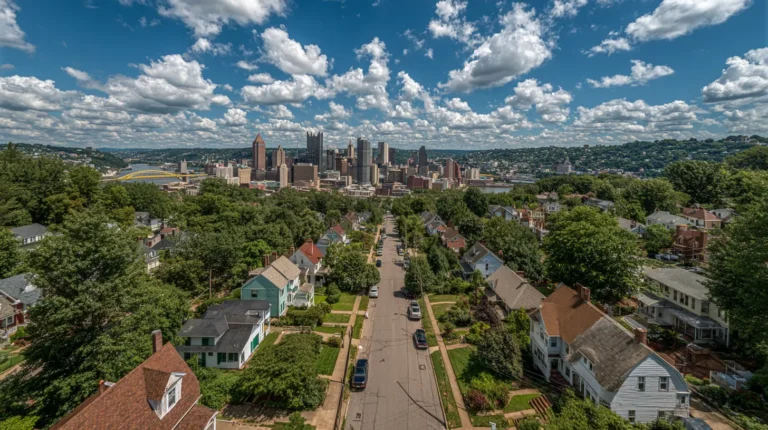
The Pittsburgh rental market continues to evolve as the region maintains its reputation for affordable living relative to other major metropolitan areas. For renters planning a move in 2026, the landscape offers a range of options from walkable urban neighborhoods to spacious suburban townships. Understanding the distinct character of each area helps narrow down the search to places that align with specific lifestyle needs and budget considerations.

This guide examines four prominent rental locations in the Greater Pittsburgh area: Shadyside, Lawrenceville, Ross Township, and Sewickley. Each offers a different living experience, and the choice between them depends on factors such as commute patterns, desired amenities, and housing preferences.

Shadyside: Classic Elegance and Urban Convenience

Shadyside remains one of Pittsburgh’s most sought after neighborhoods for renters who value walkability and architectural character. Located just east of the city center, this neighborhood combines tree lined streets with a dense concentration of shops, restaurants, and services.

Rental Housing Stock

The housing options in Shadyside are notably diverse. The area features many large Victorian and Colonial Revival homes that have been converted into multi unit apartment buildings. These units often retain original woodwork, stained glass windows, and generous room proportions. Alongside these historic conversions, renters will find modern luxury apartment buildings near the intersection of Walnut Street and Ellsworth Avenue, offering amenities such as fitness centers and rooftop terraces.

Walkability and Lifestyle

Shadyside excels in providing a pedestrian friendly environment. The Walnut Street commercial corridor hosts a mix of national retailers and local boutiques, while Ellsworth Avenue offers a concentration of restaurants and cafes. For renters, this means daily errands and entertainment are often within walking distance. The neighborhood also has access to bus lines that provide direct service to downtown and Oakland.

Considerations for Renters

The convenience of Shadyside comes with a price point that ranks among the higher in the city. Street parking can be competitive, and many older buildings do not offer dedicated off street parking. Renters should factor in the cost of a parking permit or a monthly garage rental if they own a vehicle. The demographic skews toward professionals, medical residents, and graduate students affiliated with nearby universities and hospitals.

Lawrenceville: Industrial Heritage Turned Trending Hub

Lawrenceville has undergone significant transformation over the past decade, evolving from an industrial corridor to one of the city’s most dynamic rental markets. Stretching along the Allegheny River, the neighborhood is divided into Lower, Central, and Upper Lawrenceville, each with its own subtle character.

Rental Housing Stock

The housing stock in Lawrenceville reflects its industrial past. Renters will find many former mill workers’ homes that have been renovated and expanded, as well as new construction apartment buildings that incorporate modern design elements. The area is known for its mixed use developments, where retail and restaurant space occupies the ground floor with apartments above. This creates a vibrant street level atmosphere that appeals to renters seeking an energetic environment.

Dining and Entertainment

Lawrenceville has developed a reputation as a dining destination in Pittsburgh. Butler Street, the main thoroughfare, is lined with independently owned restaurants, coffee shops, and bars. The neighborhood also hosts art galleries and boutique fitness studios. For renters who prioritize having a variety of entertainment options within walking distance, Lawrenceville offers one of the most concentrated selections in the city.

Considerations for Renters

Parking in Lawrenceville can be challenging, particularly in the Lower and Central sections where streets are narrow and density is highest. Newer apartment buildings often include parking solutions, but older units may require street parking. The neighborhood attracts a younger demographic, including artists, tech workers, and entrepreneurs. Noise levels can be higher on weekend nights near busy intersections.

Ross Township: Practical Suburban Living

Moving outside the city limits, Ross Township represents the classic suburban rental market. Located just north of Pittsburgh, this township of approximately 31,000 residents offers a different set of priorities centered on space and convenience.

Rental Housing Stock

The rental market in Ross Township is dominated by garden style apartment complexes and townhome communities. These properties typically feature dedicated parking lots, on site maintenance staff, and communal amenities such as swimming pools, tennis courts, and fitness centers. Unit layouts tend to be more spacious than their urban counterparts, with open floor plans and modern finishes being common in newer developments.

Retail and Services

Ross Township is defined by its accessibility to retail. McKnight Road, the primary commercial artery, features a high concentration of big box stores, grocery chains, and service businesses. For renters, this means errands such as grocery shopping, pharmacy visits, and home goods purchases can be accomplished with short drives. The Ross Park Mall provides additional shopping and dining options.

Considerations for Renters

Car ownership is essential for residents of Ross Township. While the area is served by bus routes, the suburban layout makes walking to most destinations impractical. The trade off for this car dependency is convenience in daily errands and generally lower rental rates per square foot compared to city neighborhoods. The demographic includes families, young professionals seeking more space, and retirees.

Sewickley: Small Town Character with Walkability

Sewickley offers a distinct alternative to both city neighborhoods and conventional suburbs. Located about 12 miles northwest of Pittsburgh along the Ohio River, this borough provides a walkable small town environment with a strong sense of community.

Rental Housing Stock

The rental options in Sewickley reflect the borough’s history as an established community. Apartments are often found in older homes that have been converted into multi unit buildings, as well as carriage houses and smaller apartment buildings near the business district. The housing stock tends to have character features such as hardwood floors, porches, and traditional layouts. Newer rental construction is limited, which maintains the historic feel of the area.

Walkable Village Life

Sewickley’s business district is one of its primary attractions. Broad Street and Beaver Street host a collection of independent shops, restaurants, and services within a compact, walkable area. Residents can walk to a grocery store, movie theater, pharmacy, and multiple dining options. This level of walkability is unusual in suburban communities and appeals to renters who want a village atmosphere.

Considerations for Renters

Rental prices in Sewickley can be competitive with city neighborhoods due to the desirability of the walkable village. While some errands are walkable, a car is still necessary for most residents to access employment centers and regional amenities. The demographic includes families, empty nesters, and professionals who work in the Sewickley area or commute to the city. The community has a more established feel with multigenerational residents.

Comparing the Four Locations

To assist in the decision making process, a comparison of key factors across these four locations helps clarify the differences.

Commute Patterns

For those working in downtown Pittsburgh or Oakland, Shadyside and Lawrenceville offer the shortest commutes, with options for driving, bus transit, or biking. Ross Township requires a drive via Interstate 279, with commute times varying based on traffic conditions. Sewickley offers the longest commute to the city center but is well positioned for those working in the airport corridor or northern business parks.

Cost Considerations

Rental rates in Shadyside and Lawrenceville reflect their urban desirability, with premiums for walkability and proximity to amenities. Ross Township generally offers more square footage for the same monthly rent, though this calculation must include transportation costs. Sewickley’s rental market is influenced by the limited inventory and the appeal of the walkable village, with prices that can approach city levels.

Lifestyle Fit

The choice ultimately comes down to lifestyle preferences. Shadyside suits renters who want classic architecture and a refined urban atmosphere. Lawrenceville appeals to those seeking a vibrant, evolving neighborhood with a strong dining and arts scene. Ross Township works for renters prioritizing space, practical amenities, and easy access to shopping. Sewickley fits individuals and families who value small town character and walkable community life.

Making the Decision for 2026

As the rental market in Greater Pittsburgh continues to develop, these four locations maintain their positions as top choices for different segments of renters. New apartment construction in the city neighborhoods adds modern options to the historic stock, while suburban communities continue to offer value through space and convenience.

Renters should begin their search by identifying their priorities. For those who value walkability and urban energy, Shadyside and Lawrenceville deserve attention. For those seeking space and retail convenience, Ross Township provides practical options. For those desiring a walkable community outside the city, Sewickley offers a distinctive alternative.

The Pittsburgh region benefits from having all these options within reasonable proximity, allowing renters to choose an environment that matches their current needs while remaining connected to the broader metropolitan area. By visiting these neighborhoods and experiencing their character firsthand, renters can make an informed decision about where to call home in 2026.

Apartments for Rent in Greater Pittsburgh: A Practical Guide to City vs Suburb Living

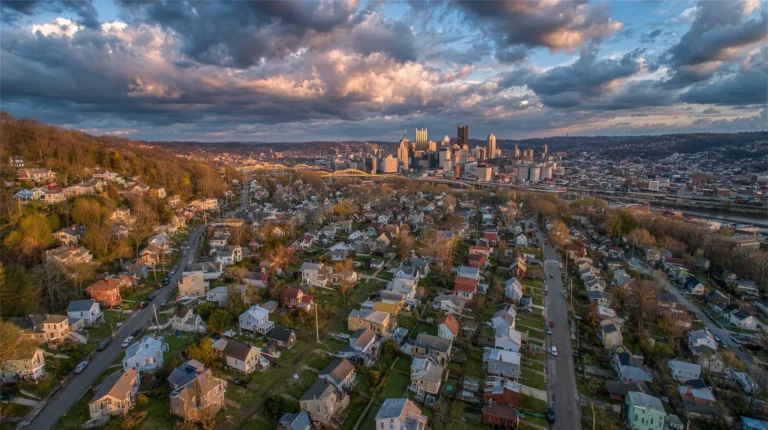
The Greater Pittsburgh area presents renters with a distinct set of choices that extend far beyond the amenities of a single building. When searching for an apartment, the decision of where to live geographically is just as important as the decision of what to live in. The region is defined by its dense, historic urban neighborhoods and a collection of established suburban townships, each offering a different rhythm of daily life.

For those navigating the rental market, understanding the functional differences between Pittsburgh city proper and its surrounding suburbs is essential. This guide provides a clear comparison of renting in the city versus townships like Ross, Sewickley, and Crafton, focusing on the practical aspects of commute, cost, and community.

The Urban Experience: Renting in Pittsburgh City

Pittsburgh’s city limits encompass a series of distinct neighborhoods, from the bustling tech hub of Oakland to the historic rowhouses of the Mexican War Streets. Choosing to rent in the city typically means prioritizing proximity and a denser living environment.

Commute and Transportation

One of the primary advantages of city living is the commute. For professionals working at the University of Pittsburgh, UPMC, or downtown, a city residence can mean a walkable commute or a short bus ride. The Port Authority’s bus system is most comprehensive within the city, and the T light rail provides access to the South Hills from downtown. Renters in the city often find they can manage with one car or no car at all, factoring in the cost of city parking permits or monthly garage fees where street parking is limited.

Rental Housing Stock

The urban rental stock is characterized by diversity. You will find historic pre-war buildings with large rooms and original details, converted lofts in former industrial buildings, and a growing number of new high-rise luxury apartments in neighborhoods like the Strip District and East Liberty. Rent prices vary significantly by neighborhood, often correlating with walkability and access to entertainment.

Lifestyle Considerations

Living in the city places you in the center of cultural institutions, professional sports venues, and a dense concentration of restaurants and nightlife. However, this comes with the typical trade offs of urban density. Outdoor space is often at a premium, with many apartments offering balconies or access to communal rooftops rather than private yards. Noise is a more consistent factor, and the pace of life is generally faster.

The Suburban Townships: Ross, Sewickley, and Crafton

Venturing into the suburbs of Allegheny County changes the parameters of the rental search. Townships like Ross, Sewickley, and Crafton each offer distinct personalities while sharing common suburban advantages.

Ross Township: Convenience and Space

Located just north of the city, Ross Township is often described as a suburb of convenience. It is crisscrossed by major arteries like McKnight Road, providing easy access to a high concentration of big box retail, grocery stores, and services. The rental market here is largely comprised of garden style apartment complexes and townhome communities. These complexes typically offer dedicated parking lots, on site maintenance, and amenities like pools or fitness centers. For renters, the value proposition in Ross is space and practicality: larger square footage for the price compared to the city, and proximity to everyday errands.

Sewickley: Walkable Village Life

Sewickley offers a different suburban archetype. This Ohio River town has a well preserved, walkable commercial district. Renting in Sewickley often means being within walking distance of independent shops, cafes, and a movie theater, a level of walkability usually associated with city neighborhoods. The housing stock leans towards older homes converted into multi unit apartments and carriage houses. It appeals to renters who want a quiet, small town atmosphere with a strong sense of community, but it comes at a price point that is often competitive with pricier city neighborhoods.

Crafton: In Between Character

Crafton sits just west of the city, bordering the West End. It represents a transitional style of suburb. Developed as an early streetcar suburb, its housing stock consists largely of older, character rich homes, many of which have been subdivided into apartments. Crafton offers a compromise: it has a small, walkable main street of its own, but it is also a very short drive or bus ride into the city. For renters, Crafton provides access to the architectural charm of the city with a quieter, residential feel and slightly more accessible parking.

Comparing the Key Factors

To make an informed decision, it helps to compare these locations side by side on the factors that matter most in daily life.

Cost and Space

Generally, the suburban townships offer more square footage for the same monthly rent as a city apartment. A one bedroom apartment in a luxury building in Pittsburgh might rent for the same price as a two bedroom garden style apartment in Ross Township. However, this calculation must include transportation. A renter in the suburbs will almost certainly need a vehicle, and the costs of gas, insurance, and maintenance must be factored into the total cost of living. In Sewickley and Crafton, the walkable portions may allow for a slight reduction in car dependency, but it is rarely eliminated entirely.

Community and Demographics

The social fabric differs between the two environments. City neighborhoods often have a transient population fueled by students and young professionals, creating a constantly evolving social scene. The suburbs tend to have more long term residents. Ross Township has a family oriented feel, with its school district and community parks being central to the area. Sewickley has a deep sense of local history and a more established, multigenerational population. Crafton attracts a mix of young families and long time residents who value its proximity to the city.

Access to Amenities

This is where the distinction becomes a matter of preference rather than volume. The city provides access to major museums, concert venues, and a high density of dining options. The suburbs provide access to different amenities: larger chain stores, ample free parking, movie multiplexes, and easy access to state and county parks for outdoor recreation. For a renter in Ross, a trip to a big box store is a five minute errand. For a city renter, it may be a planned drive.

Making the Choice

The decision between renting in Pittsburgh and its surrounding townships ultimately comes down to how you want to structure your time and budget.

Choose a city neighborhood if your priority is a walkable lifestyle, a short commute to a city center job, and immediate access to a dense concentration of entertainment and cultural venues. Be prepared for higher parking costs, less private outdoor space, and the ambient noise of urban life.

Choose a township like Ross if you prioritize space, convenience for daily errands, and a quieter residential setting, with the understanding that you will rely on a car for nearly all activities.

Choose Sewickley if you desire a walkable, small town atmosphere with a strong sense of community and are willing to pay a premium for that specific village experience.

Choose Crafton if you want a balance of suburban peace and urban proximity, seeking the charm of older architecture without the intensity of the densest city neighborhoods.

The Greater Pittsburgh rental market is robust enough to accommodate all these lifestyles. By defining your priorities regarding commute, space, and community, you can navigate the options and find the right fit for your next lease.

Top Tenant Screening Tips for Long-Term Rentals

Learn How Ultrarix Capital Partners Screens Tenants for Long-Term Rentals in Pittsburgh and Florida

Tenant screening is one of the most crucial steps in ensuring success with long-term rentals. A poorly chosen tenant can lead to late payments, property damage, and an overall stressful experience. At Ultrarix Capital Partners, we manage a variety of rental properties in both Pittsburgh real estate and Florida real estate markets. Over the years, we’ve developed a strategic process to ensure we’re renting to reliable, trustworthy tenants. In this blog, we’ll share our top tips for screening tenants to safeguard your investment.

1. Perform a Thorough Background Check

The first step in tenant screening is conducting a detailed background check. This should include:

  • Credit Check: Evaluate the applicant’s financial responsibility. Consistent late payments or a high debt-to-income ratio can be red flags.
  • Criminal History: Ensure the tenant doesn’t have a criminal background that could lead to future issues.

At Ultrarix Capital Partners, we’ve found this to be a key step in maintaining safe, secure rental properties in both Pittsburgh and Florida. By being diligent, we significantly reduce the risk of future problems.

2. Check Rental History

Past behavior is often a good indicator of future behavior. Contact previous landlords and ask about:

  • The timeliness of rent payments
  • The care they took of the property
  • Any disputes or issues that arose

For Ultrarix Capital Partners’ properties in Pittsburgh real estate and Florida real estate markets, this step has been instrumental in avoiding tenants who have a history of unpaid rent or property damage.

3. Verify Employment and Income

To ensure that a tenant can consistently pay rent, verify their employment and income. The general rule of thumb is that a tenant should have a monthly income that is at least 3 times the rent.

For example, at Ultrarix Capital Partners, we always verify income by requesting recent pay stubs or bank statements. In markets like Pittsburgh and Florida, where real estate can vary in pricing, this ensures tenants are financially capable of making consistent payments.

4. Meet the Prospective Tenant

Though numbers and history are important, getting to know the tenant personally can offer valuable insights. A face-to-face meeting or a video call can help you assess whether they seem responsible and will take care of your property.

At Ultrarix Capital Partners, we’ve had great success in Pittsburgh and Florida by ensuring we meet tenants before finalizing any agreements. This personal touch often helps in deciding who will best fit the property and neighborhood.

5. Set Clear Expectations

One of the key ways to avoid disputes down the line is to set clear expectations from the start. Make sure the tenant understands:

  • Payment deadlines
  • Property maintenance expectations
  • Rules regarding pets, guests, or noise

By setting these expectations, Ultrarix Capital Partners ensures that tenants in Pittsburgh real estate and Florida real estate properties are fully aware of their responsibilities, which helps maintain the property’s value and integrity.

6. Use a Detailed Rental Application

A comprehensive rental application helps you gather essential information on prospective tenants. Be sure to ask for details like:

  • Personal references
  • Employment history
  • Reason for moving

At Ultrarix Capital Partners, we’ve crafted a rental application that provides us with everything we need to make informed decisions for our properties in Pittsburgh and Florida.

7. Look for Consistency

When reviewing the application and other submitted documents, check for consistency in the information provided. Discrepancies or incomplete answers could be a sign that the tenant is not being truthful or thorough.

8. Trust Your Instincts

Even after you’ve checked all the boxes with financials, history, and references, trust your gut. If something feels off, it might be worth reconsidering the applicant. We’ve found that, at Ultrarix Capital Partners, trusting our instincts in both the Pittsburgh and Florida real estate markets has helped avoid potential issues down the road.


Conclusion

Tenant screening is an essential part of being a successful landlord, especially with long-term rentals. Whether you’re renting in the Pittsburgh real estate market or the Florida real estate market, following these screening tips from Ultrarix Capital Partners can help ensure that you find reliable, respectful tenants who will treat your property well.

If you’re a property owner or investor looking for reliable property management or have questions about real estate investments in Pittsburgh or Florida, feel free to reach out to Ultrarix Capital Partners. We are here to help! You can contact us at (650) 254–6706 or [email protected].

We Buy Homes in Pittsburgh! Fast Cash Home Sales in Pittsburgh

Ultrarix Capital Partners: Transforming Pittsburgh’s Real Estate Market with Fast Cash Deals and Quick Closings

Pittsburgh, Pennsylvania, is a city steeped in history, culture, and a vibrant sense of community. As a city that has continually reinvented itself, it has seen neighborhoods transformed, property values increase, and a growing interest in real estate. At Ultrarix Capital Partners, we are thrilled to be a part of this dynamic landscape. We buy homes in Pittsburgh and nearby areas with cash, offering homeowners a quick and hassle-free solution when they are ready to sell.

Why Choose Ultrarix Capital Partners?

Selling a home can be a complex process. There are listings, staging, showings, negotiations, and a lengthy closing process that can take weeks or even months. Ultrarix Capital Partners simplifies this process by offering cash purchases and quick closings. We understand that there are many reasons why homeowners may need to sell quickly — whether it’s for relocation, financial reasons, or to avoid the complexities of traditional real estate transactions. Our team is committed to making this process as smooth and stress-free as possible.

A Simplified Process

When you choose Ultrarix Capital Partners, you get the benefit of a straightforward, streamlined process:

  1. Contact Us: If you’re interested in selling your home, simply reach out to us at [email protected] or call us at (650) 254–6706. We are happy to discuss your property and set up a time to meet with you.
  2. Property Evaluation: Our team will evaluate your property to understand its condition, location, and other key factors. Don’t worry about cleaning or making repairs; we buy homes as-is, saving you time and money.
  3. Cash Offer: After our evaluation, we’ll make a fair cash offer. No waiting for bank approvals or financing contingencies — what we offer is what you’ll get.
  4. Quick Closing: Once the offer is accepted, we can close quickly. This means you can move on to the next chapter of your life without delays.

Areas of Interest in Pittsburgh

Pittsburgh is home to many sought-after neighborhoods that offer unique character and charm. Ultrarix Capital Partners is actively interested in buying homes in the following areas:

  • Sewickley: An idyllic village setting along the Ohio River, known for its historic charm, boutique shops, and vibrant community events.
  • McKees Rocks: A neighborhood with a rich industrial past, now brimming with revitalization efforts and unique local businesses.
  • Bellevue: A quaint and walkable borough with a friendly atmosphere, offering easy access to downtown Pittsburgh.
  • Ross Township: A family-friendly suburb boasting ample shopping, dining, and green spaces for recreational activities.
  • Westview: A welcoming neighborhood with a strong sense of community and close proximity to key amenities.
  • Northside: A diverse and historic area featuring cultural landmarks like the Andy Warhol Museum and PNC Park, home of the Pirates.
  • Avalon: A cozy borough with tree-lined streets and a variety of homes, offering a peaceful retreat from the city.
  • Stowe Township: This area combines residential charm with commercial convenience, with a mix of classic and modern developments.
  • Etna: A community on the rise with a burgeoning arts scene and an increasing number of local businesses.
  • O’Hara Township: Known for its spacious homes and beautiful landscapes, perfect for those seeking suburban tranquility.
  • Glenshaw: A picturesque neighborhood that offers a perfect blend of suburban living and easy city access.
  • Allison Park: A welcoming suburb with a family-friendly vibe and excellent schools, ideal for those seeking a suburban lifestyle.
  • Bethel Park: A well-established area with great schools, parks, and a variety of dining and shopping options.
  • Beechview: A diverse and lively neighborhood known for its steep hills and iconic T-line providing easy city access.
  • Banksville: A quiet and convenient area known for its accessibility and proximity to major roadways.
  • Green Tree: This suburb offers a peaceful escape with its beautiful parks and family-friendly atmosphere.
  • Carnegie: A charming neighborhood with a rich history and a vibrant downtown area filled with local businesses and eateries.
  • Crafton: A friendly neighborhood known for its strong community ties and charming residential streets.
  • Sheraden: An area with diverse architecture, offering a mix of older homes and newer developments.
  • Brighton Heights: This neighborhood is perched on a hill, providing stunning views and a tight-knit community feel.
  • East Allegheny: A historic district with a mix of residential and commercial spaces, known for its unique architecture and cultural landmarks.
  • Ben Avon: A peaceful and historic suburb with a picturesque setting along the Ohio River.
  • Reserve Township: A scenic area offering a quiet escape from the city’s hustle and bustle, yet close to downtown.
  • Millvale: An artistic and eclectic neighborhood undergoing revitalization with a growing number of trendy shops and eateries.
  • Sharpsburg: A borough known for its close-knit community and small-town charm, with a variety of events and festivals.
  • Aspinwall: This neighborhood offers a quaint, village-like atmosphere with easy access to the Allegheny River and downtown Pittsburgh.
  • Mt. Lebanon: A prestigious and upscale suburb with excellent schools, shopping, and dining options.
  • Southside Flats: A vibrant and lively neighborhood known for its nightlife, restaurants, and cultural attractions.
  • Southside Slopes: This area is famous for its dramatic hillsides and breathtaking views of the city.
  • Carrick: A residential area with a variety of housing options and strong community ties.
  • Hill District: A historic neighborhood with deep cultural roots and a rich legacy of arts and music.
  • Upper Hill: An area undergoing revitalization, with new developments and a focus on community engagement.
  • Middle Hill: A central part of the Hill District, blending residential charm with a strong sense of history and heritage.
  • Shadyside: Known for its upscale homes, boutique shops, and lively atmosphere, Shadyside is a prime location for real estate investment.
  • Squirrel Hill: A family-friendly neighborhood with a strong sense of community and excellent schools, Squirrel Hill is always in demand.
  • Lawrenceville: This trendy neighborhood has undergone a significant transformation in recent years, with a booming arts scene and new businesses popping up everywhere.
  • Fox Chapel: For those seeking a more suburban lifestyle, Fox Chapel offers beautiful homes and lush greenery.

Ultrarix Capital Partners is proud to contribute to the growth and development of Pittsburgh’s neighborhoods. Whether you’re selling a family home, an inherited property, or a rental property, we’re here to offer a fast and fair solution.

Contact Us Today!

If you’re considering selling your home in Pittsburgh or the surrounding areas, Ultrarix Capital Partners is here to help. Contact us at [email protected] or call (650) 254–6706 to learn more about our cash home-buying process and how we can assist you. We’re excited to be part of your journey and look forward to working with you!

Understanding Legal Heating Options for Landlords in Pennsylvania

As a landlord in Pennsylvania, it’s crucial to understand the legal requirements and benefits of various heating systems in rental properties. With the diversity of options available, it’s essential to choose a system that not only complies with state regulations but also caters to the comfort and safety of your tenants. This article delves into the different types of legal heating systems in Pennsylvania, including furnaces, boilers, split systems, and electric baseboard and wall-fixed heaters.

Types of Legal Heating Systems in Pennsylvania

Furnaces and Boilers

Furnaces and boilers are common in Pennsylvania homes. Furnaces distribute heated air through ducts, while boilers provide hot water or steam through pipes to radiators. Both systems can run on various fuels, including natural gas, oil, or electricity.

Split Systems

Split systems, commonly known as ductless mini-splits, offer both heating and cooling. These systems consist of an outdoor compressor unit and one or more indoor air-handling units, connected by a conduit. They are energy-efficient and provide the flexibility of controlling temperatures in individual rooms.

Electric Baseboard Heaters

Electric baseboard heaters are an increasingly popular choice in Pennsylvania. These units are installed along the baseboard of a room and heat the space through convection. They are easy to install, require minimal maintenance, and are known for their efficiency in room-by-room temperature control.

Wall-fixed Electric Heaters

Wall-fixed electric heaters are permanently installed units that provide efficient heating in a room. In Pennsylvania, these heaters are approved by the fire department under fire safety standards outlined in 55 Pa. Code § 6400.107. The regulation specifically prohibits the use of portable space heaters, defining them as heaters not permanently mounted or installed.

Legal Compliance and Tenant Comfort

In Pennsylvania, including cities like Pittsburgh, any heating system, whether it’s a furnace, boiler, split system, or electric heater, must be capable of maintaining a temperature of 68 degrees Fahrenheit. This requirement ensures tenant comfort during the cold months.

When it comes to electric heating systems, there’s often a misconception about higher costs. However, our experience with conversions from oil or natural gas boilers to electric baseboard heat in Pennsylvania has proven otherwise.

The Efficiency of Electric Heating

Electric baseboard heaters and wall-fixed electric heaters provide several advantages:

  1. Individual Room Control: With thermostats in each room, tenants can control the temperature based on usage, potentially leading to energy savings. Rooms not in use, except those with plumbing, can have lower temperatures, reducing overall heating costs.
  2. Maintenance and Environmental Impact: Electric heaters require less maintenance than traditional boilers or furnaces. They also offer cleaner operation, without the need for fuel storage, and contribute less to indoor air pollution.
  3. Cost-Effectiveness: Our findings suggest that, on average, the cost of heating with electric baseboard heaters aligns with or is slightly lower than traditional gas/oil heating.
  4. Safety and Compliance: Electric wall-fixed heaters are approved under Pennsylvania’s fire safety regulations, ensuring a safe living environment for tenants.

Final Thoughts

For landlords in Pennsylvania, choosing the right heating system is more than just a compliance issue; it’s about ensuring tenant comfort and safety while being mindful of the environment and operational costs. Electric heating solutions, such as split systems, baseboard heating units, and fixed electric wall heaters, stand out as legal, efficient, and cost-effective options. They offer the flexibility of room-specific temperature control and are less demanding in terms of maintenance compared to traditional heating systems.

While some tenants may initially express concerns over the cost-effectiveness of electric heating, landlords can provide reassurance based on real-world experiences and data. Electric heating not only meets legal requirements in Pennsylvania but also aligns with modern living standards, balancing comfort, efficiency, and safety.

In conclusion, as a landlord in Pennsylvania, exploring electric heating options can be a wise decision. It’s a strategy that aligns with state regulations, tenant comfort, and environmental consciousness, ultimately adding value to your rental properties and ensuring peace of mind for both landlords and tenants.

Your property’s potential is just a conversation away. Let Ultrarix Capital Partners guide you through the thriving Pittsburgh real estate market for the best in value and growth.

Pittsburgh’s Rental Market: A Detailed Analysis and What Lies Ahead

Pittsburgh’s Rental Market: A Detailed Analysis and What Lies Ahead

Pittsburgh, known for its rich history and vibrant cultural scene, is also a city that’s seen significant investments in various sectors, leading to a noticeable growth in population. This influx of people and ongoing developments have made Pittsburgh an interesting study for the real estate market, especially rentals. As investors and residents navigate this evolving landscape, understanding the current trends and future projections becomes crucial. Here’s an in-depth look at the Pittsburgh, PA rental market as of January 2024, drawing insights from the latest Apartment List Rent Report.

Pittsburgh Rental Market Overview:

  • Current Median Rent: As of January 2024, Pittsburgh’s overall median rent stands at $1,275, marking a slight decrease of 0.8% over the previous month. This adjustment reflects a 1.0% year-over-year decrease in rental prices.
  • Rent Growth Analysis: Pittsburgh’s rent growth has been trailing behind the state average, with Pennsylvania seeing a 1.5% increase compared to Pittsburgh’s 1.0% decrease, closely mirroring the national average. This indicates a cooling off in the rental market, aligning with broader economic trends.
  • Annual Changes: There’s been a notable shift in Pittsburgh’s rent growth pace. In 2023, rents have fallen by 1.7% in comparison to the previous year’s increase of 3.7%. This suggests a significant turnaround in the rental market dynamics, possibly due to market saturation, economic shifts, or other external factors.
  • Monthly Rent Costs: A breakdown of rents shows that a 1-bedroom apartment goes for an average of $1,112, while a 2-bedroom fetches around $1,354. These rates position Pittsburgh as the #69 most expensive large city in the U.S., offering relatively affordable options compared to the national median.

Understanding Pittsburgh’s Position:

  • National Comparison: Pittsburgh’s December rent decrease places it at #52 among large U.S. cities for monthly rent growth. This middle-of-the-road ranking is shared with cities like El Paso, TX, and Omaha, NE, suggesting a broader trend of rental market adjustments across the country.
  • Affordability Insights: Despite the recent decrease, Pittsburgh’s median rent remains competitive, especially when compared to the national average. It’s currently more affordable than many other large cities, with a median rent that’s 7.5% lower than the national average.

Methodology and Data Access:

  • The data comes from Apartment List, which uses a combination of median rent statistics from the Census Bureau and listing data to provide a comprehensive picture of rent growth in cities across the country. Their methodology aims to correct sample bias found in private sources, offering an accurate snapshot of the rental market.
  • For more detailed information or to access the full range of data, including insights for counties, metros, and states, you can visit Apartment List’s Data Downloads Page.

What Lies Ahead:

Pittsburgh’s rental market is undergoing a noticeable transformation, marked by decreased rent prices and a gradual shift in market dynamics. While this poses certain challenges for investors, it also opens up opportunities for residents seeking affordable housing options in a city that’s continuously growing and evolving. As Pittsburgh continues to attract attention with its economic development and cultural offerings, understanding these rental trends will be key for anyone looking to make informed decisions about living or investing in the city.

Discover Comfort and Convenience: Available Rentals in Pittsburgh by Ultrarix Capital Partners

We Buy Residential and Commercial Properties in the Pittsburgh Region

Pittsburgh’s Real Estate Landscape

The Pittsburgh region, particularly in Allegheny County, has been experiencing tremendous growth, making it a hotspot for real estate investment. Known for its rich industrial heritage, Pittsburgh has transformed into a hub for technology, healthcare, and education, reflecting a vibrant and growing economy. With a population well over 300,000 and as the county seat of Allegheny County, Pittsburgh’s real estate market presents unique opportunities for growth and investment. This post explores the benefits of working with us as your partner in high-value investment management, focusing on the burgeoning Pittsburgh area.

Why Sell to Us in Pittsburgh?

  • Efficient Transactions: We understand the local Pittsburgh market and provide a streamlined, efficient process to sell your property quickly
  • Competitive Pittsburgh Market Offers: Our offers consider the latest market trends in Pittsburgh and Allegheny County, ensuring you receive a fair and competitive price.
  • Diverse Property Portfolio: We are interested in a variety of property types found throughout Pittsburgh, from the bustling downtown areas to the quieter, suburban parts of Allegheny County.

The Pittsburgh Advantage

The Pittsburgh region offers a robust real estate market with diverse architectural styles and a rich array of neighborhoods. As the city continues to grow, areas within and around Allegheny County have become particularly attractive for investors due to:

  • Economic Growth: The economic resurgence in sectors such as tech and healthcare has bolstered the real estate market, providing ample opportunities for investment.
  • Architectural and Neighborhood Diversity: Pittsburgh’s unique blend of historic and modern architecture, coupled with diverse neighborhoods, offers a wide range of investment opportunities.
  • Stable Investment Environment: Pittsburgh’s steady economic growth and commitment to community development make it a stable environment for long-term investments.

What Makes Pittsburgh’s Properties Attractive?

We are keen on investing in properties that offer growth potential and stability, characteristics abundant in the Pittsburgh area. We focus on:

  • Properties with historical significance or unique architectural features.
  • Commercial and residential areas poised for growth within Allegheny County and surrounding neighborhoods.
  • Real estate that aligns with the economic growth and development trajectory of Pittsburgh.

Invest in Pittsburgh’s Growth with Us

Consider selling your property to a trusted partner who understands the Pittsburgh market’s intricacies. We are committed to providing a fair, efficient, and beneficial selling process. Explore the potential of your real estate with us.

Get Ultrarix’s stories in your inbox

Join Medium for free to get updates from this writer.Subscribe

Remember me for faster sign in

Stay updated on real estate trends and check out our available rental units in the Pittsburgh region. Join us in investing in a city known for its resilience, growth, and opportunity.

Contact Us for Your Pittsburgh Property Needs

Ready to sell your property in Pittsburgh or curious about the investment opportunities in Allegheny County? Contact us at [email protected]‬. Visit us at our office in Orlando, or arrange a meeting to discuss opportunities in Pittsburgh.

Your property’s potential is just a conversation away. Let Ultrarix Capital Partners guide you through the thriving Pittsburgh real estate market for the best in value and growth.