
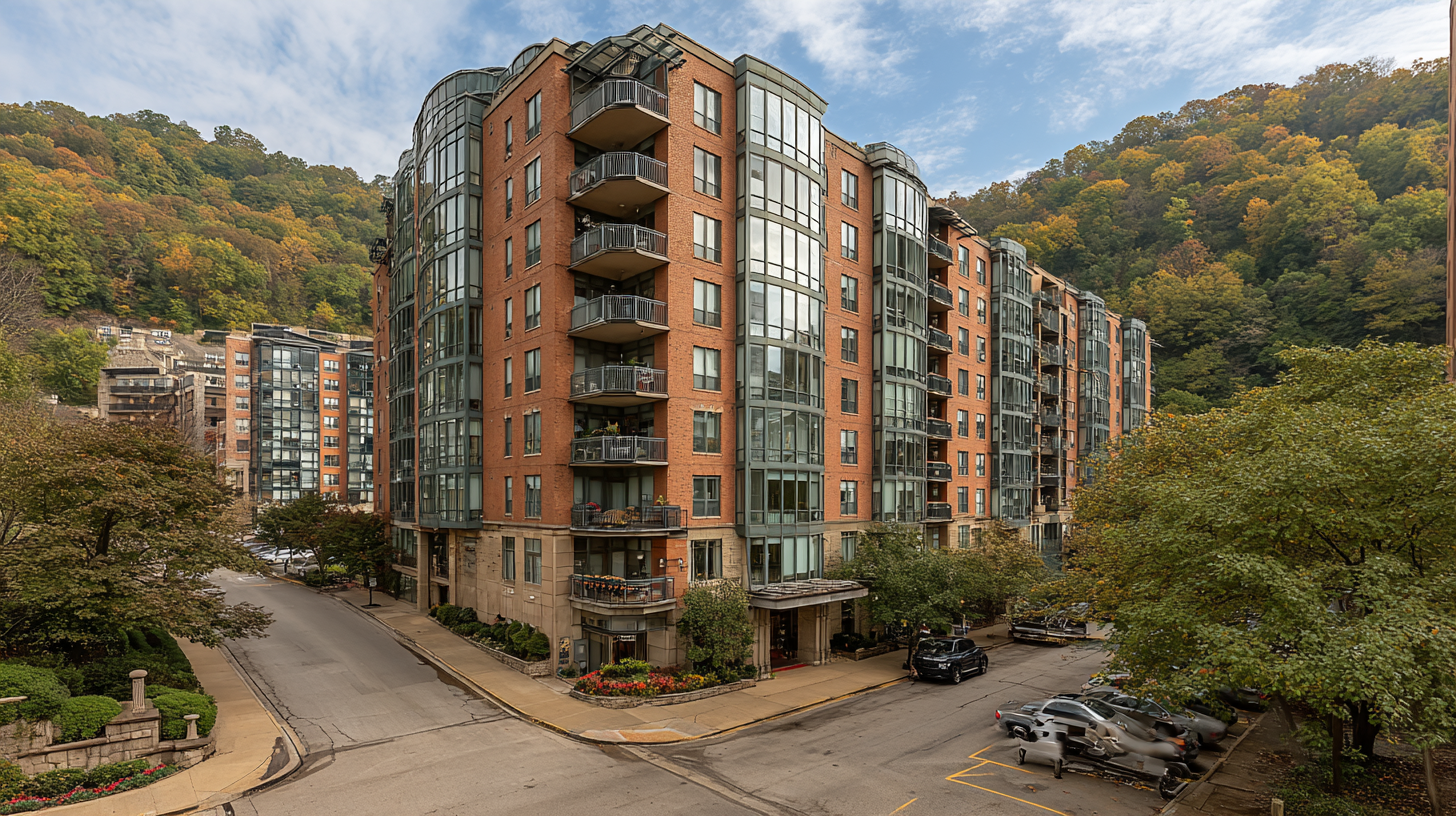
For renters seeking a location that combines urban accessibility with suburban affordability, Dormont offers one of the most compelling options in the South Hills. Located just three miles south of downtown Pittsburgh, this borough of approximately 8,300 residents occupies a narrow strip along the T light rail line, providing a level of transit access that rivals city neighborhoods while maintaining rental rates that are often more attainable.
Dormont represents a sweet spot in the regional rental market. It lacks the high profile of trendy city neighborhoods and the expansive amenities of larger suburbs, but it delivers what many renters prioritize: walkable commercial districts, direct transit to downtown, and a stable residential environment. For those willing to look beyond the most hyped locations, Dormont offers genuine value and a convenient lifestyle.
Location and Accessibility
Dormont’s greatest asset is its location. The borough is situated in the heart of the South Hills, bordered by Pittsburgh’s Beechview neighborhood to the north and Mount Lebanon to the south. This positioning makes Dormont one of the closest suburbs to downtown, with commute times that are shorter than many city neighborhoods.
Commute to Downtown
The drive from Dormont to downtown Pittsburgh typically takes 10 to 15 minutes under normal traffic conditions. The primary route uses West Liberty Avenue to connect to the Liberty Tunnels, which deposit drivers directly into the city’s central business district. This short commute is a significant advantage for professionals working downtown who want to minimize travel time.
For those who prefer public transit, Dormont is exceptionally well served by the T light rail system. The borough has three T stations within its boundaries: Dormont Station, Potomac Station, and Mount Lebanon Station, which sits on the Dormont-Mount Lebanon border. These stations provide frequent service to downtown Pittsburgh, with travel times of approximately 10 to 15 minutes. For professionals working downtown, the T offers a reliable alternative to driving, eliminating the need for parking and reducing commute stress.
Access to Other Areas
Beyond downtown, Dormont’s location provides convenient access to other parts of the region. The borough sits near West Liberty Avenue, a major thoroughfare that connects to Route 19, the Parkway West, and Interstate 376. This connectivity makes Dormont a workable base for workers whose jobs are distributed across the South Hills, the airport corridor, and downtown.
The Dormont Rental Market
The rental housing stock in Dormont reflects the borough’s history as an early streetcar suburb. Rather than large garden style complexes or new luxury buildings, Dormont offers a collection of smaller scale properties integrated into established residential neighborhoods.
Apartment Buildings
Dormont has a concentration of apartment buildings, particularly along West Liberty Avenue and the side streets leading to the T stations. These range from older buildings dating to the early 20th century to more recent developments. Many of these buildings offer one and two bedroom units with features such as off street parking, though parking availability varies by property.
The density of apartment options is highest within walking distance of the T stations and along the main commercial corridors. These locations provide the greatest walkability and transit access, and they typically command the highest rents in the borough.
Converted Historic Homes
A significant portion of Dormont’s rental inventory consists of older single family homes that have been converted into multi unit apartments. These properties are scattered throughout the borough’s residential streets, often occupying lots with mature trees and established landscaping. Units in these buildings typically retain historic character elements such as hardwood floors, high ceilings, and front porches.
The conversion of homes into apartments means that rental units are often found in neighborhoods where owner occupied homes also exist, creating a more integrated residential environment than large apartment complexes can provide.
Duplexes and Smaller Buildings
In addition to larger apartment buildings and converted homes, Dormont has a collection of duplexes and smaller multi unit buildings. These properties offer two to four units and are found throughout the residential areas. They appeal to renters who prefer a smaller building with fewer neighbors and a more residential feel.
Age and Condition of Housing
The housing stock in Dormont spans a range of ages and conditions. Many buildings date from the early to mid-20th century and have been maintained or updated over the years. Some properties have undergone significant renovations with modern kitchens and bathrooms, while others retain original features that may require more flexible expectations.
Renters considering Dormont should evaluate each property individually, as the condition and amenities can vary substantially from one unit to the next.
Walkability and Neighborhood Character
Dormont is known for its walkability, a quality that sets it apart from many other suburbs. The borough’s compact layout, commercial districts, and transit access make it possible to accomplish many daily errands without a car.
West Liberty Avenue Commercial District
The primary commercial corridor in Dormont is West Liberty Avenue, which runs through the heart of the borough. This area features a concentration of locally owned shops, restaurants, cafes, and services. A full service grocery store, pharmacy, banks, and a variety of dining options are all located along this corridor. For renters living within walking distance of West Liberty Avenue, daily errands can be accomplished without a car.
The commercial district has a functional, working class character that reflects the borough’s history. For renters who prioritize practicality over prestige, this straightforward environment can be appealing. The focus is on meeting daily needs rather than creating a destination for visitors.
Potomac Avenue Commercial District
Potomac Avenue, which runs east from the Potomac T station, offers a smaller but distinct commercial district. This area features additional dining options, a coffee shop, and local businesses. The Potomac district has a slightly more upscale character than West Liberty Avenue and serves as a gathering place for residents.
Residential Streets
The residential areas of Dormont are characterized by narrow streets, closely spaced homes, and a dense urban feel that distinguishes the borough from more sprawling suburbs. The borough’s development pattern, which dates to the streetcar era, creates a walkable environment where destinations are close together and the automobile is not always necessary.
For renters, this means quiet neighborhoods where walking is pleasant and safe. Sidewalks are present on most streets, and the tree lined roads provide shade and visual appeal.
Transit Access
Dormont’s transit access is one of its defining features and a primary reason renters choose the borough over other locations.
The T Light Rail
Dormont has three T stations within its boundaries: Dormont Station, Potomac Station, and Mount Lebanon Station. These stations are on the Red Line, which provides direct service to downtown Pittsburgh, the North Shore, and other destinations. Trains run frequently during peak hours, and travel times to downtown range from 10 to 15 minutes.
For renters who work downtown or in other parts of the city accessible by the T, the convenience is substantial. The ability to walk to a station and be in the office within 15 minutes without dealing with traffic or parking is a significant advantage that is difficult to find at Dormont’s price point.
Properties within walking distance of T stations are among the most desirable in the borough, and they typically command higher rents. For renters who plan to use the T regularly, this premium is often worthwhile.
Bus Service
In addition to the T, Port Authority bus routes serve Dormont along West Liberty Avenue, providing connections to other parts of the South Hills and the region. The combination of rail and bus options means that some Dormont residents can manage with one car or, in some cases, no car at all, particularly if they live near the commercial districts or T stations.
Affordability and Value
One of Dormont’s primary appeals is affordability. Rental rates in the borough are generally lower than in nearby city neighborhoods and below the premiums commanded by more prominent suburbs like Mount Lebanon.
Rental Rate Comparison
For the same monthly payment, a renter in Dormont can typically secure more space or a better maintained property than in Pittsburgh neighborhoods such as Shadyside or Lawrenceville. The savings can be substantial, particularly for renters who are willing to accept a slightly less polished environment in exchange for lower rent.
Compared to Mount Lebanon, Dormont offers significantly lower rental rates while providing comparable transit access and similar proximity to downtown. The trade off is that Dormont lacks Mount Lebanon’s school district reputation and its more polished commercial districts.
Total Cost of Living
When evaluating affordability, renters should consider the total cost of living including transportation. Dormont’s proximity to downtown and excellent transit access means that commuting costs are lower than for many other suburbs. For renters who can use the T for daily commuting, the savings on parking and fuel can be substantial.
Parking Considerations
Parking is one of the practical challenges of renting in Dormont. The borough’s density and narrow streets mean that off street parking is not always available. While many apartment buildings offer dedicated parking, some units rely on street parking, which can be competitive, particularly in areas close to the T stations and commercial districts.
Renters with vehicles should confirm parking availability before signing a lease. For those who can use the T for daily commuting and minimize car usage, parking may be less of a concern.
Community Character
Dormont has a distinct community character that appeals to renters seeking a sense of place. The borough’s history as a streetcar suburb, its walkable layout, and its mix of residents create an environment that feels established and connected.
Demographics
Dormont attracts a diverse mix of residents. Young professionals are drawn by the transit access and affordability. Families appreciate the walkable neighborhoods and the proximity to parks. The borough also has a stable base of long term residents who contribute to the sense of community.
This demographic variety creates a community that feels active and engaged. Unlike some suburbs with a more transient population, Dormont has a continuity that can be appealing to renters seeking stability.
Community Events
The borough hosts community events throughout the year, including a farmers market, holiday celebrations, and neighborhood gatherings. These events provide opportunities for residents to connect and contribute to the sense of community that defines Dormont.
Parks and Recreation
Dormont maintains several parks and recreational areas. Dormont Park, located near the center of the borough, provides green space, a swimming pool, athletic fields, and playgrounds. The park serves as a community gathering space and offers outdoor recreation within walking distance for many residents.
Schools and Family Considerations
For renters with children, Dormont is served by the Keystone Oaks School District, which includes the borough along with Castle Shannon and parts of Mount Lebanon. The district provides educational options for families choosing to rent in the area.
While Dormont does not have the school district reputation of neighboring Mount Lebanon, it offers a more affordable entry point to the South Hills. Some families choose Dormont for its walkability and transit access while utilizing private schools or planning to move to Mount Lebanon later.
Practical Considerations for Renters
Before selecting Dormont as a rental location, potential residents should consider several practical factors that distinguish the borough from other options.
Walkability and Car Dependency
Dormont offers one of the most walkable environments in the South Hills. The commercial districts along West Liberty Avenue and Potomac Avenue are accessible on foot from many residences, and the T stations provide transit access without a car. For renters who are willing to walk for errands and use transit for commuting, Dormont can function as a car-lite or car-free location.
However, the borough lacks the extensive retail options of larger suburbs, meaning that trips for specialty items or broader shopping require a car or a longer transit ride. Most residents maintain a car for at least some purposes.
Rental Inventory
The rental market in Dormont is modest in size but diverse in options. Because the borough is small and consists primarily of smaller buildings, the number of available units at any given time is limited. Renters interested in Dormont should allow time in their search and should be prepared to act when a suitable property becomes available.
Property Variability
Given the age and diversity of Dormont’s housing stock, properties can vary significantly in condition and amenities. Renters should inspect each unit carefully and clarify what is included in terms of parking, utilities, and maintenance responsibilities. The best value in Dormont often comes from well maintained properties in established buildings.
Noise Considerations
Dormont’s density and proximity to West Liberty Avenue mean that noise levels can be higher than in more suburban locations, particularly for properties close to the main thoroughfares or the T tracks. Renters should consider their tolerance for urban noise when evaluating locations.
Comparing Dormont to Other Options
For renters considering Dormont, it helps to understand how it compares to alternative locations in the region.
Versus Pittsburgh City Neighborhoods
Compared to city neighborhoods like Beechview or Brookline, Dormont offers a similar character with the added advantage of T access. Compared to more expensive city neighborhoods like Shadyside or Lawrenceville, Dormont offers significantly lower rental rates at the cost of fewer dining and entertainment options within walking distance.
Versus Mount Lebanon
Compared to Mount Lebanon, Dormont offers more affordable rental rates and comparable transit access but lacks the school district reputation and the more polished commercial districts. The choice between the two often comes down to budget and the value placed on schools and commercial amenities.
Versus Ross Township
Compared to Ross Township, Dormont offers a much shorter commute to downtown, walkable commercial districts, and transit access at the cost of more limited rental inventory and less extensive retail options. The choice between the two may come down to whether urban accessibility or suburban space is the priority.
Making the Decision
Dormont serves renters who prioritize accessibility, walkability, and value. For those who want to live close to downtown without paying city prices or the premiums of more upscale suburbs, it represents a practical choice.
The borough works well for downtown workers who want a short commute via the T without the parking challenges of city neighborhoods. It suits renters who appreciate walkable commercial districts and a stable community character. It accommodates those who want transit access and a manageable lifestyle without requiring a full urban environment.
For renters considering Dormont, visiting the borough during weekday hours provides a clear picture of the commute and the commercial districts. Experiencing the T ride to downtown, walking the residential streets, and exploring the local businesses helps determine whether the character aligns with personal preferences. For many renters in the Pittsburgh region, Dormont offers the right combination of accessibility, affordability, and walkable living.