Home Blog Page 20

Riverfront Living Near Pittsburgh: Exploring Braddock Rentals

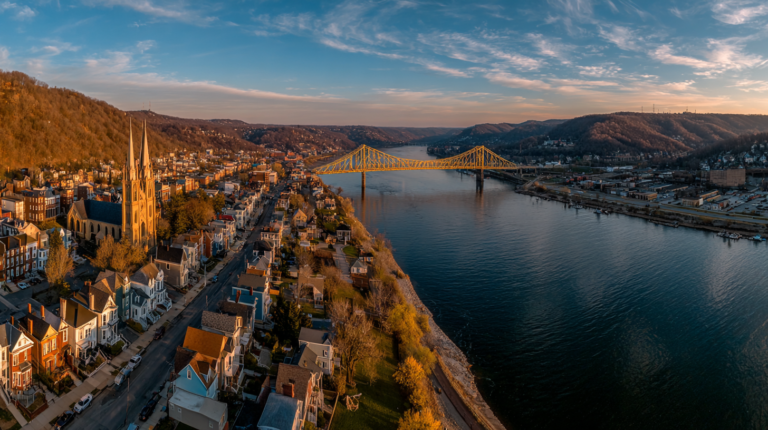
For renters seeking access to the water without paying premium riverfront prices, Braddock offers a practical option along the Monongahela River. Located just 10 miles east of downtown Pittsburgh, this historic borough provides direct access to the Great Allegheny Passage trail and the riverfront, combining outdoor recreation with affordable rental rates and a short commute to the city.

Braddock represents a unique value proposition for renters who prioritize proximity to water, trails, and outdoor activities. For those willing to look beyond conventional riverfront neighborhoods, the borough delivers on access at a fraction of the cost.

The Monongahela Riverfront in Braddock

Braddock sits directly along the Monongahela River, one of Pittsburgh’s three major waterways. The borough’s riverfront, once dominated by industrial activity, has been transformed into public access points and trail connections.

Great Allegheny Passage Trail

The Great Allegheny Passage is a 150 mile multi-use trail that connects Pittsburgh to Cumberland, Maryland, where it links to the C&O Canal Towpath to Washington, D.C. The trail runs directly through Braddock along the riverfront, providing paved and crushed stone surfaces for walking, running, and biking.

For Braddock residents, the trail offers immediate access to:

  • A car free route for walking, running, or biking
  • Connections to downtown Pittsburgh, approximately 10 miles west
  • Scenic views of the Monongahela River
  • Access to neighboring communities including Homestead, Munhall, and Swissvale
  • A commuting alternative for cyclists willing to travel 10 miles to downtown

Riverfront Access Points

Braddock has several points where residents can access the riverfront and the trail. These access points provide opportunities for fishing, kayaking, and enjoying the water. While Braddock does not have a formal boat launch, the riverfront trail allows for easy access to the water’s edge.

River Views

Several apartment buildings and converted homes in Braddock offer river views. Properties along Braddock Avenue and near the Rankin Bridge have sightlines to the Monongahela River. For renters who value water views, these properties provide them at rates significantly lower than riverfront apartments in neighborhoods like the North Shore or South Side.

Outdoor Recreation Along the River

The riverfront trail system provides a range of outdoor activities for residents.

Walking and Running

The Great Allegheny Passage trail offers a level, paved surface ideal for walking and running. The trail is separated from traffic, providing a safe environment for exercise. Residents can walk or run for miles along the river without encountering intersections or vehicle traffic.

Biking

The trail is popular with cyclists, from casual riders to serious cyclists training for long distances. The trail connects to the Eliza Furnace Trail and downtown Pittsburgh, providing a car free commuting route for cyclists. The 10 mile ride from Braddock to downtown takes approximately 40 to 60 minutes depending on pace.

Fishing

The Monongahela River supports fishing for species including catfish, carp, and smallmouth bass. The riverfront provides access points for shore fishing. A Pennsylvania fishing license is required.

Kayaking and Canoeing

The Monongahela River is navigable for kayaks and canoes. Paddlers can launch from riverfront access points and explore the waterway. The river’s current is generally manageable, though paddlers should be aware of barge traffic and weather conditions.

Birding and Wildlife Viewing

The riverfront corridor provides habitat for waterfowl, songbirds, and other wildlife. The trail offers opportunities for birding, particularly during migration seasons.

The Rental Market in Braddock

Braddock’s rental market offers some of the most affordable rates in Allegheny County, making riverfront access attainable for renters on a budget.

Rental Prices

One bedroom apartments in Braddock typically range from $600 to $900 per month, while two bedroom units range from $800 to $1,200. Three bedroom units, common in converted homes, range from $1,000 to $1,500. For context, riverfront apartments in neighborhoods like the North Shore or South Side often rent for $1,500 to $2,500 for one bedroom units.

Rental Housing Stock

The rental inventory in Braddock includes:

  • Apartment buildings dating from the early to mid-20th century
  • Converted historic homes offering larger units with character details
  • Properties that have undergone recent renovation with modern finishes

Many units retain historic character elements such as hardwood floors, high ceilings, and front porches. Some properties, particularly those along Braddock Avenue and near the river, offer views of the Monongahela River.

Proximity to the Trail

Most rental properties in Braddock are within a half mile of the Great Allegheny Passage trail. For residents, this means the riverfront and trail are accessible on foot or by a short drive. Some properties along the river side of Braddock Avenue have direct access to the trail.

The Waterfront Shopping Complex

While the riverfront is a draw for outdoor recreation, Braddock’s location adjacent to The Waterfront in neighboring Homestead provides access to shopping and entertainment.

Retail and Dining

The Waterfront features Target, Costco, Home Depot, a multiplex cinema, and numerous dining options. For Braddock residents, this means that daily errands and entertainment are within a five minute drive.

Riverfront Trail Connection

The Great Allegheny Passage trail connects Braddock directly to The Waterfront. Residents can walk or bike from their apartments to the shopping complex without using roads. This connection integrates outdoor recreation with practical errands.

Commute to Downtown Pittsburgh

Braddock’s location provides a practical commute to downtown, combining riverfront living with urban access.

Driving

The drive from Braddock to downtown Pittsburgh typically takes 15 to 20 minutes via the Rankin Bridge and Parkway East (Interstate 376). This commute is shorter than many suburban options at similar price points.

Biking

For cyclists, the Great Allegheny Passage trail provides a car free route to downtown. The 10 mile ride takes approximately 40 to 60 minutes. This option appeals to commuters who value exercise and avoiding traffic.

Public Transit

The Port Authority provides bus service along Braddock Avenue, with routes connecting to downtown and other destinations. Travel time to downtown is approximately 25 to 35 minutes.

Comparing Braddock to Other Riverfront Areas

For renters seeking riverfront access, it helps to understand how Braddock compares to other options along Pittsburgh’s rivers.

Versus North Shore

Compared to the North Shore, which offers riverfront apartments with downtown skyline views, Braddock offers significantly lower rental rates at the cost of less polished amenities and a longer commute to downtown. The North Shore provides direct access to the Three Rivers Heritage Trail and Allegheny Riverfront.

Versus South Side

Compared to the South Side, which has riverfront apartments and the South Side Riverfront Park, Braddock offers lower rents and a quieter environment. The South Side has more nightlife and dining but higher rental rates and more challenging parking.

Versus Strip District

Compared to the Strip District, which has newer riverfront apartments near downtown, Braddock offers much lower rents and access to the same trail system. The Strip District provides a more urban environment with walkable amenities but at premium rates.

Versus Homestead

Compared to Homestead, which also has riverfront access and The Waterfront within its boundaries, Braddock offers lower rental rates with similar proximity to the trail and shopping. The choice between the two often comes down to specific property availability.

Who Should Consider Riverfront Living in Braddock

Braddock’s riverfront rentals are best suited for renters who:

  • Value outdoor recreation and trail access
  • Prioritize affordability over polished amenities
  • Walk, run, or bike regularly and want immediate trail access
  • Are willing to drive for shopping and dining
  • Have a car for commuting or are willing to bike or take transit
  • Appreciate historic architecture and character
  • Want river views without paying premium prices

Practical Considerations

Before choosing a riverfront rental in Braddock, potential residents should consider several practical factors.

Car Ownership

Car ownership is advisable for most residents. While the trail provides access to downtown for cyclists, daily errands and most commuting require a vehicle. The short drive to The Waterfront and downtown makes car usage efficient.

Housing Condition

Given the age of Braddock’s housing stock, properties can vary significantly in condition. Renters should inspect each unit carefully and look for well maintained properties, including those that have undergone recent renovation.

Trail Access

Properties closer to the river offer the shortest walk to the trail. Renters should evaluate the distance from potential apartments to the riverfront access points. Some properties have direct trail access; others require a short walk.

Seasonal Considerations

The trail is usable year round, but winter conditions affect cycling and walking. The riverfront can be colder and windier than inland areas. Renters should consider seasonal weather patterns when evaluating an outdoor oriented location.

Making the Decision

Braddock offers a unique combination of riverfront access, trail connectivity, and affordable rental rates that is difficult to find elsewhere in the Pittsburgh region. For renters who prioritize outdoor recreation and value and are willing to accept a community in transition, the borough represents a practical choice.

The riverfront trail provides immediate access to walking, running, and biking without the premium prices of other riverfront neighborhoods. The commute to downtown is reasonable by car, bike, or bus. The adjacent Waterfront provides shopping and entertainment within minutes.

For renters considering Braddock, visiting the riverfront trail during different times of day provides a clear picture of the outdoor access. Experiencing the trail, walking the residential streets, and evaluating the short drive to downtown helps determine whether the riverfront lifestyle aligns with personal preferences. For many renters in the Pittsburgh region, Braddock offers an affordable entry point to riverfront living.


Pet-Friendly Apartments in Pittsburgh: A Complete Guide for Renters with Pets

Finding an apartment that welcomes your furry family member can be one of the most challenging aspects of renting in Pittsburgh. While the city and its suburbs have become increasingly accommodating to pets, policies vary significantly by property, neighborhood, and landlord. Understanding what to expect, where to look, and how to prepare can make the search process smoother and more successful.

This guide provides a comprehensive overview of pet-friendly renting in Pittsburgh, covering common policies, neighborhood highlights, and practical tips for renters with dogs, cats, and other animals.

What to Expect from Pet-Friendly Apartments

Pet policies vary widely across properties. Understanding common requirements helps renters evaluate options efficiently.

Types of Pet Fees

Most pet-friendly apartments charge some combination of fees:

  • One-time non-refundable pet fee: Typically $200 to $400 per pet. This fee covers administrative costs and any minor wear and tear.
  • Pet deposit: Refundable deposit ranging from $200 to $500 per pet. This is returned at move out if there is no pet related damage.
  • Monthly pet rent: $25 to $75 per pet per month. This is an additional monthly charge added to the base rent.

Some properties charge all three, while others charge only a fee or only monthly rent. The trend in newer buildings is toward monthly pet rent rather than large upfront fees.

Common Pet Restrictions

Many properties enforce restrictions on pet size, breed, and number:

  • Weight limits: Many properties limit dogs to 25, 50, or 75 pounds. Some have no weight limit for cats.
  • Breed restrictions: Commonly restricted breeds include pit bulls, Rottweilers, Dobermans, German Shepherds, and huskies. These restrictions are often driven by insurance requirements.
  • Number of pets: Most properties limit households to two pets total. Some allow up to three.
  • Species restrictions: Dogs and cats are typically permitted. Exotic pets, reptiles, and rodents are often prohibited.

What Pet Fees Cover

Pet fees and pet rent cover the additional wear and tear that pets cause to units and common areas. This includes carpet cleaning, repairs to scratches on doors and trim, and maintenance of pet waste stations in common areas. These fees do not cover damage beyond normal wear and tear.

Pet-Friendly Neighborhoods in Pittsburgh

Some neighborhoods have a higher concentration of pet-friendly apartments and better access to parks and green space.

Highland Park

Highland Park is one of Pittsburgh’s most pet-friendly neighborhoods. The 378 acre Highland Park offers extensive walking trails, open fields, and the Allegheny Riverfront. Many apartment buildings in the neighborhood welcome pets, and the residential streets are quiet for walking.

The park features a dog park where dogs can run off leash in a fenced area. For daily walks, the park’s paved and unpaved trails provide variety. Apartment buildings near the park typically have more flexible pet policies and may include pet amenities such as washing stations.

Lawrenceville

Lawrenceville has become increasingly pet-friendly as the neighborhood has developed. Butler Street features several pet supply stores and grooming businesses. The Allegheny Riverfront trail provides a long, paved path for walking dogs.

Newer apartment buildings in Lawrenceville often include pet amenities such as dog washing stations, pet waste stations, and sometimes small dog parks. However, the neighborhood’s density means that off leash areas are limited to designated parks.

Shadyside and Squirrel Hill

Both Shadyside and Squirrel Hill offer walkable streets and proximity to parks. Mellon Park in Shadyside and Frick Park in Squirrel Hill provide substantial green space for dog walking. Frick Park, at 644 acres, offers extensive trails through wooded areas.

Apartment buildings in these neighborhoods vary in pet policies. Older buildings may have weight restrictions or charge higher fees. Newer buildings tend to be more accommodating, with pet amenities as standard features.

North Shore and Allegheny Riverfront

The North Shore offers access to the Three Rivers Heritage Trail, a paved path along the Allegheny River that is excellent for dog walking. Newer apartment buildings in this area often include pet amenities and have flexible pet policies.

The proximity to downtown and the riverfront makes this area convenient for professionals with dogs who want access to walking trails.

Suburban Areas with Pet-Friendly Complexes

Suburbs such as Ross Township, Monroeville, and Cranberry Township have numerous garden style apartment complexes that welcome pets. These properties typically have fewer breed and weight restrictions than urban buildings and often feature on site dog parks.

The suburban layout provides more immediate access to grass and green space, which is convenient for quick bathroom breaks. Many complexes have designated pet areas with waste stations.

Apartment Features That Benefit Pet Owners

When evaluating apartments, pet owners should look for specific features that make daily life easier.

Hard Surface Flooring

Hardwood, luxury vinyl plank, or tile flooring is easier to clean than carpet. Pet accidents, muddy paws, and shedding are simpler to manage on hard surfaces. Many newer buildings feature hard surface flooring in living areas with carpet only in bedrooms.

Ground Floor Access

Ground floor units provide direct access to the outdoors, which is convenient for bathroom breaks. For apartment buildings without elevators, ground floor units are also easier for older pets or those with mobility issues.

Private Outdoor Space

A balcony, patio, or small yard is valuable for pets. Even a small balcony allows a cat to enjoy fresh air safely or a dog to get outside quickly. Townhome rentals often include small patios or yards.

Pet Amenities

Some buildings offer dedicated pet amenities:

  • Dog washing stations: Elevated tubs with hoses for cleaning dogs after muddy walks
  • On site dog parks: Fenced areas where dogs can run off leash
  • Pet waste stations: Bags and trash cans for easy cleanup
  • Pet spa areas: Grooming areas with supplies

These amenities add convenience and may justify higher rent for pet owners who use them regularly.

Tips for Finding Pet-Friendly Apartments

Start Your Search Early

Pet-friendly apartments are in high demand, and inventory is limited. Starting your search four to six weeks before your desired move date allows time to find a property that meets both your housing and pet needs.

Be Prepared with Pet Information

Landlords and property managers will ask for specific information about your pet:

  • Breed and size (weight)
  • Age
  • Spayed or neutered status
  • Vaccination records
  • Behavior history (any bites or aggressive incidents)

Having this information ready demonstrates that you are a responsible pet owner.

Offer a Pet Resume

A pet resume is a one page document that introduces your pet to a potential landlord. It should include:

  • A recent photo
  • Basic information (breed, age, weight)
  • Veterinary records showing vaccinations and spay/neuter
  • Obedience training certificates if applicable
  • Reference from a previous landlord

A pet resume can help distinguish a well behaved pet from the abstract risk that landlords worry about.

Consider Pet Insurance

Pet insurance that includes liability coverage can reassure landlords. Some policies offer coverage for damage caused by pets or injuries to others. Offering to carry this coverage may make a landlord more willing to approve an application.

Offer an Additional Deposit

If a landlord is hesitant about a pet, offering an additional refundable pet deposit may help secure approval. This provides the landlord with financial protection while demonstrating your commitment as a responsible pet owner.

Pet Policies by Property Type

Large Corporate Complexes

Large apartment complexes have standardized pet policies. They are required to allow pets under fair housing laws for assistance animals but have discretion for pets. These properties typically charge published fees and follow published breed and weight restrictions. The advantage is consistency and transparency.

Smaller Buildings and Converted Homes

Smaller buildings and converted homes have more variable policies. Some have no pet restrictions beyond a general requirement that pets not cause nuisances. Others may charge lower fees than corporate complexes. However, policies are less standardized, and approval is often at the landlord’s discretion.

Private Landlords

Private landlords have the most flexibility. Some welcome pets with few restrictions. Others prohibit pets entirely. Building a relationship with a private landlord and demonstrating responsibility can sometimes overcome an initial prohibition.

Preparing for the Apartment Search

Gather Documentation

Before applying, gather:

  • Vaccination records from your veterinarian
  • Spay/neuter certificate
  • Photos of your pet
  • Previous landlord contact information for a reference

Budget for Pet Costs

When comparing apartments, factor in:

  • One time pet fees ($200 to $400 per pet)
  • Monthly pet rent ($25 to $75 per pet)
  • Refundable pet deposit ($200 to $500)
  • Potential additional security deposit

These costs add significantly to monthly housing expenses. A building that seems more affordable may become more expensive after pet fees.

Visit the Neighborhood with Your Pet

Before signing a lease, walk the neighborhood with your pet to assess:

  • Availability of sidewalks and safe walking routes
  • Proximity to parks or green space
  • Presence of heavy traffic or other hazards
  • Noise levels that might affect an anxious pet

Making the Decision

Finding a pet-friendly apartment in Pittsburgh requires patience and preparation. The most pet-friendly neighborhoods with park access include Highland Park, Squirrel Hill, the North Shore, and suburban areas with garden style complexes. Newer buildings in popular neighborhoods often include pet amenities such as washing stations and on site dog parks.

By understanding common pet policies, gathering documentation in advance, and focusing on neighborhoods with good park access, renters with pets can find housing that works for the whole family. For many pet owners, the extra fees and search time are worthwhile for the companionship that pets provide.

Penn Hills Apartments: Affordable Options Near Pittsburgh

For renters seeking affordable housing within a reasonable commute of downtown Pittsburgh, Penn Hills offers one of the most accessible value propositions in the eastern suburbs. Located approximately 12 miles east of the city, this township of roughly 35,000 residents provides a 20 to 30 minute drive to downtown while maintaining rental rates that are significantly lower than city neighborhoods and closer suburbs.

Penn Hills represents a practical choice for renters who prioritize affordability and space over walkable urban amenities. For those willing to commute a bit longer or look beyond conventional options, the township delivers on value and accessibility.

Location and Accessibility

Penn Hills’ location along the Parkway East (Interstate 376) corridor is its primary advantage. This highway access provides efficient connections to downtown Pittsburgh, the eastern suburbs, and the Parkway East employment centers.

Commute to Downtown Pittsburgh

The drive from Penn Hills to downtown Pittsburgh typically takes 20 to 30 minutes under normal traffic conditions. The primary route uses the Parkway East (I-376) westbound, which provides a direct corridor into the city. The Squirrel Hill Tunnel is the primary bottleneck, with traffic slowing during peak hours. Commuting earlier than 7:30 AM or after 9:00 AM typically results in smoother travel.

For those who prefer public transit, the Port Authority provides bus service along Frankstown Road, Rodi Road, and other corridors, with routes connecting to downtown and other destinations. The East Busway, with a stop in nearby Wilkinsburg, provides rapid transit access for commuters willing to drive to the busway station.

Access to the Parkway East

Penn Hills’ location along I-376 provides connections to the broader region. The highway connects to the Pennsylvania Turnpike for travel to points east, and to downtown for access to the Parkway North and Parkway West.

Access to the Waterfront and Monroeville

Penn Hills is located between two significant commercial corridors. Monroeville, with its mall and extensive retail, is a 10 to 15 minute drive. The Waterfront in Homestead is a 15 to 20 minute drive. For residents, this means that shopping and entertainment options are accessible without traveling to the city.

The Penn Hills Rental Market

The rental housing stock in Penn Hills reflects the township’s development as a post-war suburb. Renters will find a mix of garden style apartment complexes, townhome communities, and converted homes.

Garden Style Apartment Complexes

The predominant rental housing type in Penn Hills is the garden style apartment complex. These properties typically consist of two or three story buildings arranged around parking areas and landscaped common spaces. Unit layouts emphasize functionality and square footage, with one, two, and three bedroom floor plans available.

These complexes generally offer features that appeal to renters seeking convenience and low maintenance living. On site laundry facilities or in unit washer and dryer connections are common. Many properties include amenities such as swimming pools, fitness centers, and clubhouses. Parking is provided in dedicated lots.

Townhome Communities

Penn Hills has a significant inventory of townhome communities that offer rental opportunities. These properties provide multi level living with private entrances and often include designated parking or attached garages. Townhome rentals appeal to renters who desire more space and a layout closer to single family living without the responsibilities of homeownership.

Converted Homes

In addition to complexes, Penn Hills has a collection of converted single family homes that have been divided into apartments. These properties are scattered throughout the township’s residential streets and often retain character features such as hardwood floors and front porches.

Rental Prices

The primary appeal of Penn Hills is affordability. Rental rates in the township are significantly lower than in city neighborhoods and many closer suburbs.

One bedroom apartments typically range from $700 to $1,000 per month, while two bedroom units range from $900 to $1,300. Three bedroom units, common in garden style complexes and townhomes, range from $1,200 to $1,600.

For context, comparable units in city neighborhoods like Shadyside or Lawrenceville often rent for two to three times these rates. The savings can be substantial, allowing renters to allocate budget to other priorities.

Shopping and Amenities

Penn Hills offers a range of shopping and services within the township and in nearby communities.

Penn Hills Shopping Corridors

The township has retail along Rodi Road, Frankstown Road, and other corridors. These areas feature grocery stores, pharmacies, banks, and service businesses. Major grocery chains including Giant Eagle, Aldi, and Walmart are located within the township or nearby.

This retail density means that most daily errands can be accomplished within a short drive from any rental property in Penn Hills.

Dining Options

Penn Hills offers a range of dining options, from fast food to casual sit down restaurants. The township has a mix of national chains and locally owned eateries. For broader dining choices, Monroeville and the Waterfront are within a 10 to 20 minute drive.

Proximity to Monroeville

Penn Hills is adjacent to Monroeville, which offers extensive retail including the Monroeville Mall, big box stores, and numerous dining options. For residents, this means that broader shopping needs are easily met without traveling to the city.

Parks and Recreation

Penn Hills offers several parks and recreational facilities that provide outdoor space for residents.

Penn Hills Community Park

Penn Hills Community Park is a centerpiece of the township’s recreational offerings. The park features athletic fields, walking trails, playgrounds, and picnic areas. It serves as a gathering place for community events and offers outdoor recreation for residents.

Boyce Park

Boyce Park, located in adjacent Plum, is a large county park offering extensive trails, a wave pool, ski slope, and athletic facilities. For renters who value outdoor recreation, having this resource nearby adds to the quality of life.

Local Parks

The township maintains several neighborhood parks that provide green space, playgrounds, and athletic facilities.

Schools and Family Considerations

For renters with children, Penn Hills is served by the Penn Hills School District. The district operates multiple elementary schools, a middle school, and a high school within the township.

Families considering renting in Penn Hills should evaluate the district’s offerings in the context of their educational priorities.

Practical Considerations for Renters

Before choosing to rent in Penn Hills, potential residents should consider several practical factors.

Car Dependency

Car ownership is essential for residents of Penn Hills. The township’s suburban layout makes walking to most destinations impractical. Most households require at least one vehicle, and families with two working adults may need a second.

Rental Inventory

The rental market in Penn Hills is substantial, with numerous apartment complexes and townhome communities offering a range of options. Renters have choices across price points and housing types. The variety means that renters can typically find properties that meet their needs within their budget.

Commute Considerations

For renters who work in downtown Pittsburgh, the 20 to 30 minute commute should be factored into daily life. While the highway access makes the commute predictable, the Squirrel Hill Tunnel can be a bottleneck. Those with flexible schedules or who work outside peak hours will have smoother travel.

Property Condition

Given the age of much of Penn Hills’ housing stock, properties can vary in condition. Renters should inspect each unit carefully and clarify what is included in terms of parking, utilities, and maintenance responsibilities. The best value often comes from well maintained properties.

Comparing Penn Hills to Other Affordable Areas

For renters considering Penn Hills, it helps to understand how it compares to alternative locations.

Versus Monroeville

Compared to Monroeville, which lies to the east, Penn Hills offers lower rental rates and a similar suburban character. Monroeville has more extensive retail and a larger employment base. The choice between the two often comes down to specific location preferences and budget.

Versus Wilkinsburg

Compared to Wilkinsburg, which lies closer to the city, Penn Hills offers more space and newer housing stock. Wilkinsburg has lower rental rates but an older housing stock. The commute from Penn Hills is slightly longer.

Versus Braddock

Compared to Braddock, which lies to the southeast, Penn Hills offers more suburban amenities and newer housing stock. Braddock offers even lower rental rates but a neighborhood in transition. The choice depends on priorities around housing condition versus absolute lowest rent.

Versus East End Neighborhoods

Compared to East End neighborhoods like Shadyside or Squirrel Hill, Penn Hills offers significantly lower rental rates and more space at the cost of walkability and urban amenities. For renters who prioritize affordability and are willing to drive for services, Penn Hills provides a practical alternative.

Who Should Consider Penn Hills

Penn Hills is best suited for renters who:

  • Prioritize affordability and space over walkability
  • Have a car for commuting and errands
  • Want a suburban environment with dedicated parking
  • Work in Monroeville, the Parkway East corridor, or downtown
  • Are comfortable with a 20 to 30 minute commute
  • Seek garden style complexes and townhomes over older city housing
  • Want proximity to shopping without city prices

Making the Decision

Penn Hills serves renters who prioritize affordability and suburban living over walkable urban amenities. For those who want more space, dedicated parking, and lower rental rates than city neighborhoods, it represents a practical choice.

The township works well for professionals who work in Monroeville, the Parkway East corridor, or downtown and are willing to accept a 20 to 30 minute commute. It suits families who value suburban space, parks, and lower housing costs. It accommodates renters who prefer garden style complexes and townhomes over older city housing.

For renters considering Penn Hills, visiting the township during weekdays and weekends provides a complete picture. Experiencing the commute, exploring the retail corridors, and touring the apartment communities helps determine whether the suburban lifestyle aligns with personal preferences. For many renters in the Pittsburgh region, Penn Hills offers an affordable option that delivers on value and accessibility.

Oakland Apartments Near Universities: Best Areas for Students and Staff

For students, faculty, and staff affiliated with the University of Pittsburgh and Carnegie Mellon University, Oakland is the academic heart of Pittsburgh. This dense, vibrant neighborhood offers the shortest commutes to campus and the most concentrated student environment in the city. However, Oakland is not a single uniform area. It is divided into several distinct subdistricts, each with its own character, rental options, and trade offs.

This guide breaks down the best areas for renters affiliated with Pitt and CMU, helping students and staff find housing that balances proximity to campus, affordability, and quality of life.

Overview of Oakland

Oakland is located approximately three miles east of downtown Pittsburgh. The neighborhood is home to the University of Pittsburgh, Carnegie Mellon University, UPMC (the University of Pittsburgh Medical Center), and several museums and cultural institutions. The area is divided into four main subdistricts: Central Oakland, South Oakland, North Oakland, and West Oakland.

Each subdistrict has a different character, from the high density student housing of Central Oakland to the more residential feel of South Oakland and the medical complex proximity of North Oakland.

Central Oakland: Closest to Campus

Central Oakland is the area directly adjacent to the Pitt and CMU campuses. This subdistrict offers the shortest walking commute to classes, with many students living within a five to ten minute walk of the Cathedral of Learning and other academic buildings.

Rental Housing Stock

The rental market in Central Oakland is dominated by student oriented housing. Renters will find:

  • Large apartment buildings designed for student occupancy
  • Older homes converted into multi unit apartments
  • Properties with smaller units and shared amenities
  • Limited parking, with most residents relying on walking or transit

Many buildings date from the early to mid-20th century and have been maintained for student use. While finishes may not be modern, the housing is functional and focused on proximity rather than luxury.

Rental Prices

Rental rates reflect the premium for proximity. One bedroom apartments typically range from $1,000 to $1,500 per month, while two bedroom units range from $1,400 to $2,000. Individual rooms in shared houses are common, with rates ranging from $600 to $900 per month depending on the property.

Lifestyle and Atmosphere

Central Oakland has a high energy, student focused environment. The area around Forbes Avenue and Fifth Avenue features a dense concentration of restaurants, cafes, and services oriented toward the student population. The atmosphere is lively, particularly during the academic year.

Considerations

Noise levels can be higher than in other neighborhoods, particularly on weekends. Parking is limited and competitive. The area is dominated by student housing, which may not appeal to graduate students, staff, or faculty seeking a quieter environment.

South Oakland: Residential Character with Campus Access

South Oakland, located south of the main campus across Forbes Avenue, offers a more residential character while maintaining walking distance to classes. This area features a mix of student housing and long term residents, with tree lined streets and a quieter atmosphere.

Rental Housing Stock

The rental market in South Oakland includes:

  • Converted historic homes with larger units
  • Smaller apartment buildings
  • Properties with off street parking in some cases

Many of the homes in South Oakland date from the late 19th and early 20th centuries and have been converted into apartments. These units often retain character features such as hardwood floors, high ceilings, and front porches.

Rental Prices

Rental rates are generally lower than Central Oakland. One bedroom apartments typically range from $800 to $1,200 per month, while two bedroom units range from $1,200 to $1,800. Shared houses are common, with individual rooms ranging from $500 to $800.

Lifestyle and Atmosphere

South Oakland has a quieter, more residential feel than Central Oakland. The area attracts graduate students, medical residents, and long term residents who want to be close to campus but prefer a less intense environment. The walk to campus takes 10 to 20 minutes depending on location.

Considerations

Parking is still challenging in many areas, though some properties offer off street options. The area has fewer commercial amenities than Central Oakland, requiring a walk or bus ride to reach restaurants and shops.

North Oakland: Proximity to the Medical Complex

North Oakland, located north of the main campus along Fifth Avenue, offers convenient access to Pitt’s campus and the adjacent UPMC medical complex. This area includes many rental properties catering to medical students, residents, and hospital staff.

Rental Housing Stock

The rental market in North Oakland includes:

  • Apartment buildings along Fifth Avenue
  • Converted homes on side streets
  • Newer developments near the medical complex

The area has a mix of housing types, from older buildings to recently constructed apartments. Some newer properties offer modern finishes and amenities that appeal to medical residents and staff.

Rental Prices

Rental rates are comparable to Central Oakland, with one bedroom apartments ranging from $1,000 to $1,500 per month. The area’s proximity to UPMC makes it particularly attractive to those affiliated with the medical center.

Lifestyle and Atmosphere

North Oakland has a mix of students, medical professionals, and long term residents. The area is somewhat quieter than Central Oakland but still has commercial amenities along Fifth Avenue. The proximity to the medical complex is the primary advantage.

Considerations

Traffic along Fifth Avenue can be heavy, particularly during shift changes at the hospitals. Parking is limited in many buildings.

West Oakland: Affordable Alternative

West Oakland, located west of the main campus near the Hill District border, offers more affordable rental options with a slightly longer walk to campus. This area has a more residential, mixed income character.

Rental Housing Stock

The rental market in West Oakland includes:

  • Older apartment buildings
  • Converted homes
  • More affordable housing stock

Properties in West Oakland are generally older and may have fewer updates than other parts of Oakland. However, rental rates are lower, making this area attractive for budget conscious students.

Rental Prices

One bedroom apartments typically range from $700 to $1,000 per month, while two bedroom units range from $900 to $1,400. These are among the most affordable rates in the Oakland area.

Lifestyle and Atmosphere

West Oakland is quieter than Central Oakland and has a more diverse population. The walk to campus takes 15 to 20 minutes. The area has fewer commercial amenities, requiring travel to other parts of Oakland for dining and services.

Considerations

Some parts of West Oakland are farther from campus and may feel less connected to the university environment. Renters should evaluate the specific location and walk to their classes or office.

Shadyside: Walkable Amenities with Campus Access

While not in Oakland, Shadyside is adjacent to the universities and offers a popular alternative for graduate students, medical residents, and faculty. The neighborhood is known for its commercial district along Walnut Street, with boutiques, restaurants, and cafes.

Rental Housing Stock

The rental market in Shadyside includes:

  • Historic homes converted into apartments
  • Modern luxury buildings near the commercial district
  • A mix of unit sizes from studios to three bedrooms

Rental Prices

Rental rates reflect the neighborhood’s desirability. One bedroom apartments typically range from $1,400 to $2,200 per month. The area attracts graduate students, medical residents, and faculty who value walkable amenities and a more polished environment than Oakland.

Commute to Campus

The walk to campus takes 15 to 25 minutes, depending on location. Bus service along Fifth Avenue and Forbes Avenue provides an alternative. Many residents also use the Pitt and CMU shuttle services.

Lifestyle and Atmosphere

Shadyside offers a more refined environment than Oakland, with upscale shopping, dining, and tree lined streets. The area appeals to those who want to be close to campus but prefer a quieter, more residential character.

Squirrel Hill: Family Friendly with Campus Access

Squirrel Hill, located east of the universities, offers a strong sense of community and a self sufficient commercial district along Forbes and Murray Avenues. The area is popular with graduate students, postdoctoral fellows, and faculty, particularly those with families.

Rental Housing Stock

The rental market in Squirrel Hill includes:

  • A mix of apartment buildings and converted homes
  • Larger units suitable for families and roommates
  • Properties with off street parking in many cases

Rental Prices

Rental rates are generally lower than Shadyside. One bedroom apartments typically range from $1,200 to $1,800 per month. Two bedroom units range from $1,600 to $2,500.

Commute to Campus

The walk to campus takes 20 to 30 minutes. Bus service along Forbes Avenue and Fifth Avenue provides convenient connections. The area is well served by transit.

Lifestyle and Atmosphere

Squirrel Hill has a strong community feel with a complete commercial district. The area appeals to graduate students and faculty who want a neighborhood with a sense of place and family friendly amenities.

Commute and Transportation Options

Walking

Central Oakland offers the shortest walking commute, with most classes within a 5 to 10 minute walk. South Oakland and North Oakland require 10 to 20 minutes. Shadyside and Squirrel Hill require 15 to 30 minutes.

Bus Service

The Port Authority provides frequent bus service along Fifth Avenue, Forbes Avenue, and other corridors. The bus system connects all of the university adjacent neighborhoods to campus. Many students and staff use bus passes provided by the universities.

Shuttle Services

Both Pitt and CMU operate shuttle services that connect campus with surrounding neighborhoods. These shuttles serve Shadyside, Squirrel Hill, South Oakland, and other areas, providing a convenient alternative to walking or public transit.

Biking

Pittsburgh has expanded its bike infrastructure, with lanes and trails connecting many neighborhoods to Oakland. Biking is a viable option for those living within a few miles of campus.

Practical Considerations for Student and Staff Renters

Lease Timing

University adjacent rentals often follow the academic calendar, with many leases beginning in August and running through July. Renters should begin searching early, particularly for properties in high demand areas.

Roommates

For students and staff seeking to reduce housing costs, sharing apartments with roommates is common. Many properties in university areas are designed for shared occupancy, with larger units and layouts that accommodate roommates.

Parking

Parking is a significant consideration in all university adjacent areas. Many properties have limited or no off street parking, and street parking can be competitive. Students and staff who drive should confirm parking availability and factor costs into their budget.

Amenities

Properties near universities vary widely in amenities. Some student oriented buildings offer features such as fitness centers, study lounges, and community spaces. Others provide basic accommodations with fewer amenities.

Comparing Oakland Subdistricts

Area1 BR RentWalk to CampusCharacterParking
Central Oakland$1,000-1,5005-10 minHigh energy, student focusedLimited
South Oakland$800-1,20010-20 minResidential, mixedSome off street
North Oakland$1,000-1,50010-15 minMedical focusLimited
West Oakland$700-1,00015-20 minQuiet, affordableSome off street
Shadyside$1,400-2,20015-25 minPolished, upscaleLimited to garage
Squirrel Hill$1,200-1,80020-30 minCommunity, family friendlyMore available

Making the Decision

The best area for students and staff affiliated with Pitt and CMU depends on priorities around commute, budget, and lifestyle.

For undergraduates who prioritize the shortest walk to classes and the most concentrated student environment, Central Oakland is the natural choice. For graduate students and medical residents who want proximity to campus but prefer a quieter environment, South Oakland and North Oakland offer practical options. For those who value walkable amenities and a more polished environment, Shadyside provides an appealing alternative. For faculty and graduate students with families, Squirrel Hill offers community character and good schools.

By visiting each area during different times of day, experiencing the walk or transit commute to campus, and touring available properties, renters can identify the location that best supports their academic and professional goals. For many affiliated with Pittsburgh’s universities, the Oakland area and its adjacent neighborhoods offer a range of options to suit different needs and budgets.

New Construction Apartments in Pittsburgh: Are They Worth It?

For renters searching for an apartment in Pittsburgh, the choice between new construction and older buildings is a significant decision. The city has seen a wave of new apartment development over the past decade, particularly in neighborhoods like the Strip District, East Liberty, Lawrenceville, and the North Shore. These modern buildings offer features and amenities that older properties often cannot match, but they come with higher rental rates.

This guide examines the benefits and trade offs of new construction apartments in Pittsburgh, helping renters decide whether the premium for modern development is worth the cost for their lifestyle and budget.

What Defines New Construction

New construction apartments refer to buildings completed within the last five to ten years. In Pittsburgh, these properties are typically found in neighborhoods that have seen significant redevelopment or in areas where vacant land or former industrial sites have been transformed.

Characteristics of new construction include:

  • Contemporary architecture and design
  • Modern mechanical systems and energy efficiency
  • High end finishes and appliances
  • Comprehensive amenity packages
  • Professional management with technology integration
  • Dedicated parking, often in attached garages

Benefits of New Construction Apartments

Modern Finishes and Appliances

New construction apartments feature finishes that go beyond standard builder grade. Kitchens typically include quartz or granite countertops, custom cabinetry, stainless steel appliances, and kitchen islands. Bathrooms feature tile or stone finishes, modern vanities, and high end fixtures. Flooring is typically hardwood or luxury vinyl plank in living areas.

For renters who value contemporary design and don’t want to compromise on finishes, new construction delivers a consistent, modern aesthetic.

Energy Efficiency

New buildings are constructed with modern energy codes, resulting in better insulation, more efficient windows, and high performance HVAC systems. This translates to lower utility bills compared to older buildings with drafty windows and inefficient systems. The savings on heating and cooling can partially offset higher rent.

In Unit Laundry

In unit washer and dryer connections are standard in new construction. In older buildings, in unit laundry is less common, and renters may need to use shared facilities or visit a laundromat. For many renters, the convenience of in unit laundry is a significant factor.

Central Air Conditioning

Central air conditioning is standard in new construction. In older buildings, central air is not guaranteed, and renters may need to use window units. During Pittsburgh’s humid summer months, central air is a meaningful comfort advantage.

Soundproofing

New construction typically offers better soundproofing between units than older buildings. Modern building codes and construction techniques reduce noise transmission from neighbors, a significant quality of life factor for renters sensitive to noise.

Parking

New construction buildings typically include dedicated parking, often in attached garages. In older buildings, parking may be street parking, surface lots, or not provided at all. For renters with vehicles, guaranteed parking eliminates daily stress.

Amenities

New construction buildings offer amenity packages that older buildings cannot match:

  • Fitness centers with modern equipment and sometimes fitness studios
  • Rooftop terraces with seating, grills, and skyline views
  • Swimming pools often with lounge areas
  • Clubrooms for social gatherings and events
  • Business centers with workspaces and meeting rooms
  • Pet amenities including dog washing stations and dog parks
  • Concierge services for package receiving and resident assistance
  • Controlled access for security

For renters who use these amenities regularly, they add significant value. A fitness center membership alone can cost $50 to $100 per month. A rooftop terrace provides entertainment space without the need for a private balcony.

Professional Management

New construction buildings are professionally managed with online portals for rent payments, maintenance requests, and communication. Maintenance response times are typically faster than in smaller, owner managed buildings.

Location

New construction is concentrated in Pittsburgh’s most desirable neighborhoods. Renters who want to live in the Strip District, East Liberty, Lawrenceville, or the North Shore will find that new construction dominates the rental market in these areas.

Trade Offs of New Construction

Higher Rental Rates

The most significant trade off is cost. New construction commands premium rents compared to older buildings in the same neighborhoods.

NeighborhoodNew Construction 1 BROlder Building 1 BRPremium
Strip District$1,700-2,300Limited inventoryN/A
East Liberty$1,500-2,200$1,000-1,400$500-800
Lawrenceville$1,300-2,000$1,000-1,400$300-600
North Shore$1,500-2,200$1,200-1,600$300-600
Downtown$1,800-2,500$1,500-1,900$300-600

The premium for new construction typically ranges from $300 to $800 per month compared to older buildings in the same neighborhoods.

Smaller Square Footage

New construction apartments often have smaller square footage than older units at similar price points. Developers maximize unit counts, resulting in compact layouts. Older buildings, particularly converted homes, often offer larger rooms and more generous living spaces.

Less Character

New construction has a contemporary, uniform aesthetic that some renters find sterile compared to the character of older buildings. Converted historic homes and pre-war apartment buildings offer features such as hardwood floors, crown molding, stained glass windows, and fireplaces that new construction cannot replicate.

Parking Fees

While new construction includes dedicated parking, it is rarely included in the rent. Monthly parking fees typically range from $75 to $200, adding to the monthly cost. In older buildings, parking may be included or available at lower cost.

Utility Costs

While new construction is more energy efficient, utilities are typically not included in rent. In some older buildings, water, sewer, or even heat may be included, reducing monthly expenses.

Neighborhood Integration

New construction buildings in transitioning neighborhoods may feel disconnected from the surrounding area. Some developments are built as standalone complexes with limited integration into the street level environment.

Comparing New Construction by Neighborhood

Strip District

The Strip District has seen the most significant new construction of any Pittsburgh neighborhood. Apartment buildings offer high end finishes, rooftop terraces with river and city views, and amenities such as fitness centers and concierge services. The neighborhood’s unique character and proximity to downtown justify the premium for many renters.

East Liberty

East Liberty has undergone extensive redevelopment, with several new apartment buildings completed in recent years. These properties offer modern amenities within walking distance of the neighborhood’s revitalized commercial district. Rental rates are lower than the Strip District but still command a premium over older buildings.

Lawrenceville

Lawrenceville offers a mix of new construction and renovated industrial buildings. New properties provide modern amenities in a neighborhood known for its dining scene. Some renters prefer renovated industrial buildings, which offer character features such as exposed brick and large windows, over new construction.

North Shore

The North Shore’s new construction buildings offer river and skyline views within walking distance of downtown. These properties appeal to professionals who want a short commute and access to riverfront trails.

Calculating the Value

To determine whether new construction is worth the premium, renters should calculate the value of included amenities and convenience.

Amenity Value

  • Fitness center: $50-100 per month
  • Rooftop terrace/entertaining space: $50-100 per month (compared to renting a space for events)
  • In unit laundry: $25-50 per month (compared to laundromat or shared facilities)
  • Central air: $25-50 per month (compared to window units)
  • Dedicated parking: $75-150 per month (compared to street parking or renting a space)
  • Better soundproofing: Difficult to quantify but valuable for quality of life

For a renter who uses all amenities, the total value could exceed $300 per month, partially offsetting the premium.

Time and Convenience

New construction eliminates time spent searching for parking, hauling laundry to shared facilities, and dealing with maintenance issues. For renters who value convenience and have higher incomes, these time savings are meaningful.

Who Should Choose New Construction

New construction is best suited for renters who:

  • Value modern finishes and appliances
  • Will use building amenities regularly
  • Want guaranteed parking
  • Prefer newer systems and fewer maintenance issues
  • Have the budget for the premium
  • Want to live in neighborhoods where new construction dominates
  • Prioritize convenience over square footage and character

Who Should Choose Older Buildings

Older buildings are better suited for renters who:

  • Prioritize lower rent over modern finishes
  • Value character features such as hardwood floors and fireplaces
  • Want larger square footage for the price
  • Don’t need building amenities
  • Are comfortable with street parking
  • Have a higher tolerance for maintenance issues

Making the Decision

New construction apartments in Pittsburgh offer modern finishes, comprehensive amenities, and convenient features that older buildings cannot match. The premium for these benefits typically ranges from $300 to $800 per month, depending on the neighborhood.

For renters who will use the fitness center, rooftop terrace, and other amenities regularly, the value can partially offset the higher rent. For those who value guaranteed parking, central air, and in unit laundry, the convenience may justify the premium.

For renters who prioritize lower rent, larger square footage, and historic character, older buildings offer better value. The choice ultimately depends on individual priorities, budget, and lifestyle.

By calculating the value of amenities, visiting both new and older properties, and honestly assessing which features matter most, renters can decide whether new construction is worth the premium for their situation.

Moon Township Apartments: Near Airport and Business Centers

For renters seeking a location that combines suburban living with convenient access to the Pittsburgh International Airport and major business centers, Moon Township offers a strategic option in the western suburbs. Located approximately 15 miles west of downtown Pittsburgh along the Ohio River, this township of roughly 27,000 residents has developed into a hub for aviation, logistics, and corporate operations.

Moon Township represents a practical choice for professionals who work at the airport, in the surrounding business parks, or who travel frequently for business. For those who prioritize highway access, proximity to employment, and suburban amenities, the township delivers on convenience and functionality.

Location and Accessibility

Moon Township’s location along the Parkway West (Interstate 376) is its primary advantage. This highway corridor provides direct access to the Pittsburgh International Airport, the airport business parks, and downtown Pittsburgh.

Commute to the Airport

The drive from Moon Township to Pittsburgh International Airport typically takes 10 to 15 minutes via Interstate 376 west. For aviation professionals, airline employees, and frequent travelers, this short commute is a significant advantage. The airport corridor is home to numerous businesses related to aviation, logistics, and transportation.

Commute to Downtown Pittsburgh

The drive from Moon Township to downtown Pittsburgh typically takes 20 to 25 minutes via Interstate 376 east. The Parkway West experiences congestion during peak hours, particularly near the Fort Pitt Tunnels. However, the overall commute remains manageable for daily travel.

Access to Business Parks

Moon Township and the surrounding area are home to several business parks that provide employment opportunities. These include:

  • Pittsburgh International Airport complex: Airlines, cargo operations, and airport services
  • Moon Township Business Park: Corporate offices and professional services
  • Coraopolis Business District: Mix of industrial and commercial operations
  • Robinson Town Centre area: Retail and corporate offices in adjacent Robinson Township

For professionals who work in these business parks, the ability to live within a short drive of their jobs is a significant draw.

Access to the Parkway West

Moon Township’s location along I-376 provides connections to the broader region. The highway connects to Interstate 79 for travel to the north and south, and to downtown for access to the East End and other parts of the city.

The Moon Township Rental Market

The rental housing stock in Moon Township reflects the area’s development as a suburban community serving the airport and business corridor. Renters will find a mix of garden style apartment complexes, townhome communities, and newer developments.

Garden Style Apartment Complexes

The predominant rental housing type in Moon Township is the garden style apartment complex. These properties typically consist of two or three story buildings arranged around parking areas and landscaped common spaces. Unit layouts include one, two, and three bedroom floor plans.

These complexes generally offer features that appeal to professionals seeking convenience and low maintenance living. In unit washer and dryer connections or on site laundry facilities are standard. Many properties include amenities such as fitness centers, swimming pools, and clubhouses. Parking is provided in dedicated lots.

Townhome Communities

Moon Township has a significant inventory of townhome communities that offer rental opportunities. These properties provide multi level living with private entrances and often include attached garages. Townhome rentals appeal to professionals who desire more space or have families.

Luxury Apartment Communities

Moon Township has seen new apartment construction in recent years, including luxury communities with modern finishes and extensive amenities. These properties offer granite countertops, stainless steel appliances, fitness centers, swimming pools, and community spaces. They appeal to professionals seeking contemporary living with premium amenities.

Rental Prices

Rental rates in Moon Township are generally moderate compared to closer Pittsburgh suburbs but higher than some other western suburbs. One bedroom apartments typically range from $1,100 to $1,600 per month, while two bedroom units range from $1,400 to $2,100. Luxury communities command the higher end of these ranges, while garden style complexes offer more affordable options.

Shopping and Amenities

Moon Township and the surrounding area offer a range of shopping, dining, and services.

Robinson Town Centre

Moon Township is adjacent to Robinson Town Centre, one of the region’s largest retail destinations. This area features a dense concentration of big box stores, grocery chains, restaurants, and services. Major retailers include Walmart, Target, Home Depot, Lowe’s, and numerous grocery options. The Mall at Robinson adds department stores and additional dining.

For Moon Township residents, this retail density means that virtually any shopping need can be met within a 10 minute drive.

Dining Options

The Robinson area offers an extensive collection of dining options, from fast casual chains to sit down restaurants. The variety means that residents have numerous choices without traveling far from home.

Local Amenities

Moon Township has its own commercial corridors with grocery stores, pharmacies, banks, and service businesses. For daily errands, residents can find what they need within the township.

Employment and Economic Base

Moon Township’s economy is closely tied to the Pittsburgh International Airport and the surrounding business corridor.

Aviation and Logistics

The Pittsburgh International Airport is the region’s primary aviation hub, employing thousands of workers in airlines, cargo operations, security, and support services. The airport’s cargo facilities and logistics operations add additional employment.

Corporate and Professional

Moon Township and the surrounding area have a concentration of corporate offices, including headquarters and regional operations for companies in technology, healthcare, and professional services.

Healthcare

The area has medical facilities, including hospital systems and outpatient centers, providing healthcare employment.

Parks and Recreation

Moon Township offers several parks and recreational facilities that provide outdoor space for residents.

Moon Township Park

Moon Township Park is a centerpiece of the township’s recreational offerings. The park features athletic fields, walking trails, playgrounds, and picnic areas. It serves as a gathering place for community events and offers outdoor recreation for residents.

Montour Trail

The Montour Trail, a multi-use rail trail, runs through Moon Township. The trail provides opportunities for walking, running, and biking, with connections to other communities in the western suburbs.

Robert Morris University

Robert Morris University is located in Moon Township, providing educational and cultural resources. The university hosts athletic events, concerts, and lectures that are open to the community.

Schools and Family Considerations

For renters with children, Moon Township is served by the Moon Area School District, which has a reputation for strong academic programs.

School District Reputation

The Moon Area School District operates multiple elementary schools, a middle school, and a high school. The district is known for its academic programs, arts offerings, and athletic facilities. For families, the quality of the schools is a significant factor in choosing Moon Township as a rental location.

Educational Facilities

The district has invested in modern facilities, including new school buildings and renovations to existing structures.

Practical Considerations for Renters

Before choosing to rent in Moon Township, potential residents should consider several practical factors.

Car Dependency

Car ownership is essential for residents of Moon Township. The community’s suburban layout makes walking to most destinations impractical. Most households require at least one vehicle, and families with two working adults may need a second.

Rental Inventory

The rental market in Moon Township is substantial, with numerous apartment complexes and townhome communities offering a range of options. Renters have choices across price points and amenity levels.

Commute Considerations

For renters who work at the airport or in the surrounding business parks, the short commute is a significant advantage. For those who work downtown, the 20 to 25 minute commute is reasonable for a suburban location at this distance from the city.

Traffic

The Parkway West experiences congestion during peak hours, particularly near the Fort Pitt Tunnels. Renters should consider their commute times and evaluate whether alternative routes are available.

Comparing Moon Township to Other Options

For renters considering Moon Township, it helps to understand how it compares to alternative locations.

Versus Robinson Township

Compared to Robinson Township, which lies to the east, Moon Township offers similar suburban character with a shorter commute to the airport. Robinson has more extensive retail but similar rental rates. The choice between the two often depends on specific employment location.

Versus Cranberry Township

Compared to Cranberry Township, which is north of Pittsburgh, Moon Township offers a longer commute to downtown but closer access to the airport. Both areas have suburban character and new apartment developments. The choice depends on which employment centers are more relevant.

Versus the City

Compared to city neighborhoods, Moon Township offers more space, dedicated parking, and newer apartment complexes at the cost of walkability and urban amenities. For professionals who prioritize suburban living and airport access, Moon Township provides a practical alternative.

Who Should Consider Moon Township

Moon Township is best suited for renters who:

  • Work at the Pittsburgh International Airport or in airport-related businesses
  • Travel frequently for business and value airport proximity
  • Work in the western suburbs or Parkway West business parks
  • Prioritize suburban living with dedicated parking
  • Want newer apartment complexes and amenities
  • Have a car for commuting and errands

Making the Decision

Moon Township serves professionals who prioritize airport access, highway convenience, and suburban amenities. For those who work at the airport, in the surrounding business parks, or travel frequently, it represents a practical choice.

The township works well for aviation professionals who want a short commute to the airport. It suits corporate professionals who work in the western suburbs and want modern apartment amenities. It accommodates families who value good schools and suburban living.

For renters considering Moon Township, visiting the area during weekdays and weekends provides a complete picture. Experiencing the commute to the airport or downtown, exploring the retail corridors, and touring the apartment communities helps determine whether the suburban lifestyle aligns with personal preferences. For many professionals in the Pittsburgh region, Moon Township offers the right combination of airport access, business proximity, and suburban living.

Monroeville Apartments: Retail, Jobs, and Suburban Living

For renters seeking a suburban community that combines retail convenience, employment opportunities, and accessibility to Pittsburgh, Monroeville offers a well established option in the eastern suburbs. Located approximately 12 miles east of downtown Pittsburgh, this municipality of roughly 28,000 residents has developed into a significant commercial and employment hub, anchored by the Monroeville Mall and a concentration of retail, medical, and corporate facilities.

Monroeville represents a practical choice for renters who prioritize convenience, shopping access, and suburban amenities over walkable urban environments. For those who value having retail and employment within a short drive, the community delivers on accessibility and variety.

Location and Accessibility

Monroeville’s location at the intersection of the Parkway East (Interstate 376) and Route 22 is a primary advantage. This highway access provides efficient connections to downtown Pittsburgh, the eastern suburbs, and the Pennsylvania Turnpike.

Commute to Pittsburgh

The drive from Monroeville to downtown Pittsburgh typically takes 20 to 30 minutes under normal traffic conditions. The primary route uses the Parkway East (I-376) westbound, which provides a direct corridor into the city. The Squirrel Hill Tunnel is the primary bottleneck, with traffic slowing during peak hours.

For those who prefer public transit, the Port Authority provides bus service along William Penn Highway and other corridors, with routes connecting to downtown and other destinations. The East Busway, with a stop in nearby Wilkinsburg, provides rapid transit access for commuters willing to drive to the busway station.

Access to the Pennsylvania Turnpike

Monroeville’s location at the intersection of I-376 and the Pennsylvania Turnpike (I-76) provides convenient access to points east. For renters who travel frequently to Harrisburg, Philadelphia, or other eastern destinations, this access is a significant advantage.

Access to Employment Centers

Monroeville has developed its own employment base, reducing the need for long commutes for many residents. Major employers in the area include Forbes Hospital, the Monroeville Mall and surrounding retail, and corporate offices along the commercial corridors.

The Monroeville Rental Market

The rental housing stock in Monroeville reflects the community’s development as a post-war suburb. Renters will find a mix of garden style apartment complexes, townhome communities, and newer developments.

Garden Style Apartment Complexes

The predominant rental housing type in Monroeville is the garden style apartment complex. These properties typically consist of two or three story buildings arranged around parking areas and landscaped common spaces. Unit layouts emphasize functionality and square footage, with one, two, and three bedroom floor plans available.

These complexes generally offer features that appeal to renters seeking convenience and low maintenance living. On site laundry facilities or in unit washer and dryer connections are standard. Many properties include communal amenities such as swimming pools, fitness centers, and clubhouses. Parking is provided in dedicated lots.

Townhome Communities

Monroeville has a significant inventory of townhome communities that offer rental opportunities. These properties provide multi level living with private entrances and often include attached garages or designated parking. Townhome rentals appeal to renters who desire more space and a layout closer to single family living without the responsibilities of homeownership.

Newer Developments

Monroeville has seen new apartment construction in recent years, particularly along the commercial corridors. These newer properties offer modern finishes, open floor plans, and amenities such as in unit laundry, fitness centers, and community spaces. For renters seeking contemporary living in a suburban setting, these options provide an alternative to older complexes.

Rental Prices

Rental rates in Monroeville are generally moderate compared to closer Pittsburgh suburbs. One bedroom apartments typically range from $1,000 to $1,500 per month, while two bedroom units range from $1,300 to $1,900. Newer developments and properties with premium amenities command the higher end of these ranges, while garden style complexes offer more affordable options.

Monroeville Mall and Shopping

Monroeville Mall is the centerpiece of the community’s retail landscape and one of the largest shopping destinations in the eastern suburbs.

Monroeville Mall

The Monroeville Mall features department stores, national retail chains, a cinema, and a variety of dining options. The mall has undergone renovations and continues to serve as a regional shopping destination. For renters, having this amenity nearby provides convenient access to shopping and entertainment without traveling to other parts of the region.

Retail Corridors

Beyond the mall, Monroeville has extensive retail along William Penn Highway, Route 22, and Business Route 22. These corridors feature big box stores, grocery chains, pharmacies, banks, and service businesses. Major retailers include Walmart, Target, Home Depot, Lowe’s, and numerous grocery options.

This retail density means that errands that might require planning and travel in some communities can be accomplished quickly in Monroeville. A renter can complete grocery shopping, visit a pharmacy, and pick up household items within a short drive from their apartment.

Dining Options

Monroeville offers a wide range of dining options, from fast casual chains to sit down restaurants. The area has a mix of national chains and locally owned eateries. For those seeking additional variety, the surrounding eastern suburbs offer further dining choices within a short drive.

Employment and Economic Base

Monroeville has developed a significant employment base, making it possible for residents to live and work within the same community.

Healthcare

Forbes Hospital, part of the Allegheny Health Network, is a major employer in Monroeville. The hospital provides jobs for medical professionals, support staff, and administrators. The healthcare sector’s stability contributes to the local economy.

Retail and Hospitality

The concentration of retail and hospitality businesses in Monroeville provides employment opportunities across a range of skill levels. The mall, big box stores, grocery chains, and restaurants employ thousands of workers.

Corporate and Professional

Monroeville has a concentration of corporate offices and professional services, particularly along the commercial corridors. These include insurance companies, financial services, and professional practices.

Parks and Recreation

Monroeville offers several parks and recreational facilities that provide outdoor space for residents.

Monroeville Community Park

Monroeville Community Park is a centerpiece of the municipality’s recreational offerings. The park features athletic fields, walking trails, playgrounds, and a swimming pool. It serves as a gathering place for community events and offers outdoor recreation for residents.

Boyce Park

Boyce Park, located in adjacent Plum, is a large county park offering extensive trails, a wave pool, ski slope, and athletic facilities. For renters who value outdoor recreation, having this resource nearby adds to the quality of life.

Local Parks

Monroeville maintains several neighborhood parks that provide green space, playgrounds, and athletic facilities. These parks serve as gathering places for community events and offer recreational opportunities for residents.

Schools and Family Considerations

For renters with children, Monroeville is served by the Gateway School District, which has a reputation for strong academic programs and extracurricular offerings.

School District Reputation

The Gateway School District operates multiple elementary schools, a middle school, and a high school. The district is known for its academic programs, arts offerings, and athletic facilities. For families, the quality of the schools is a significant factor in choosing Monroeville as a rental location.

Educational Facilities

The district has invested in modern facilities, including new school buildings and renovations to existing structures. The high school is known for its performing arts programs.

Practical Considerations for Renters

Before choosing to rent in Monroeville, potential residents should consider several practical factors.

Car Dependency

Car ownership is essential for residents of Monroeville. The community’s layout, with its highway orientation and concentration of retail along corridors, makes walking to most destinations impractical. Most households require at least one vehicle, and families with two working adults may need a second.

Rental Inventory

The rental market in Monroeville is substantial, with numerous apartment complexes and townhome communities offering a range of options. Renters have choices across price points and amenity levels. The variety of housing stock means that renters can typically find properties that meet their needs within their budget.

Traffic Considerations

Traffic on the Parkway East and commercial corridors can be significant during peak hours. Renters should consider their commute times and evaluate whether alternative routes are available. The Squirrel Hill Tunnel is a bottleneck that affects travel to and from downtown.

Commute to Downtown

For renters who work in downtown Pittsburgh, the 20 to 30 minute commute should be factored into daily life. While the highway access makes the commute predictable, it is longer than from closer suburbs.

Comparing Monroeville to Other Options

For renters considering Monroeville, it helps to understand how it compares to alternative locations.

Versus Cranberry Township

Compared to Cranberry Township, which is located north of Pittsburgh, Monroeville offers a similar suburban character with convenient highway access. Both areas have extensive retail and employment bases. The choice between the two often comes down to which side of the city is more convenient for employment and lifestyle.

Versus Ross Township

Compared to Ross Township, which is north of the city, Monroeville offers a longer commute to downtown but similar suburban amenities. Both areas have garden style complexes and extensive retail. The Parkway East commute through the Squirrel Hill Tunnel can be more congested than the Parkway North.

Versus East End Neighborhoods

Compared to East End neighborhoods like Shadyside or Squirrel Hill, Monroeville offers more space, dedicated parking, and lower rental rates at the cost of walkability and urban amenities. For renters who prioritize suburban living and are willing to drive for services, Monroeville provides a practical alternative.

Who Should Consider Monroeville

Monroeville is best suited for renters who:

  • Prioritize convenient access to shopping and retail
  • Work in Monroeville or the eastern suburbs
  • Value suburban living with dedicated parking
  • Want moderate rental rates compared to city neighborhoods
  • Have a car for commuting and errands
  • Appreciate having healthcare and employment close to home

Making the Decision

Monroeville serves renters who prioritize retail convenience, suburban amenities, and access to the eastern suburbs over walkable urban environments. For those who want to live near comprehensive shopping and employment without traveling to the city, it represents a practical choice.

The community works well for professionals who work in Monroeville or the eastern suburbs and want a short commute. It suits families who value good schools, parks, and suburban living. It accommodates renters who prefer garden style complexes and townhomes over older city housing.

For renters considering Monroeville, visiting the community during weekdays and weekends provides a complete picture. Experiencing the commute, exploring the retail corridors, and touring the apartment communities helps determine whether the suburban lifestyle aligns with personal preferences. For many renters in the Pittsburgh region, Monroeville offers the right combination of retail, jobs, and suburban living.

Monroeville Apartments: Retail, Jobs, and Suburban Living

For renters seeking a suburban community that combines retail convenience, employment opportunities, and accessibility to Pittsburgh, Monroeville offers a well established option in the eastern suburbs. Located approximately 12 miles east of downtown Pittsburgh, this municipality of roughly 28,000 residents has developed into a significant commercial and employment hub, anchored by the Monroeville Mall and a concentration of retail, medical, and corporate facilities.

Monroeville represents a practical choice for renters who prioritize convenience, shopping access, and suburban amenities over walkable urban environments. For those who value having retail and employment within a short drive, the community delivers on accessibility and variety.

Location and Accessibility

Monroeville’s location at the intersection of the Parkway East (Interstate 376) and Route 22 is a primary advantage. This highway access provides efficient connections to downtown Pittsburgh, the eastern suburbs, and the Pennsylvania Turnpike.

Commute to Pittsburgh

The drive from Monroeville to downtown Pittsburgh typically takes 20 to 30 minutes under normal traffic conditions. The primary route uses the Parkway East (I-376) westbound, which provides a direct corridor into the city. The Squirrel Hill Tunnel is the primary bottleneck, with traffic slowing during peak hours.

For those who prefer public transit, the Port Authority provides bus service along William Penn Highway and other corridors, with routes connecting to downtown and other destinations. The East Busway, with a stop in nearby Wilkinsburg, provides rapid transit access for commuters willing to drive to the busway station.

Access to the Pennsylvania Turnpike

Monroeville’s location at the intersection of I-376 and the Pennsylvania Turnpike (I-76) provides convenient access to points east. For renters who travel frequently to Harrisburg, Philadelphia, or other eastern destinations, this access is a significant advantage.

Access to Employment Centers

Monroeville has developed its own employment base, reducing the need for long commutes for many residents. Major employers in the area include the Forbes Hospital system, the Monroeville Mall and surrounding retail, and corporate offices along the commercial corridors.

The Monroeville Rental Market

The rental housing stock in Monroeville reflects the community’s development as a post-war suburb. Renters will find a mix of garden style apartment complexes, townhome communities, and newer developments.

Garden Style Apartment Complexes

The predominant rental housing type in Monroeville is the garden style apartment complex. These properties typically consist of two or three story buildings arranged around parking areas and landscaped common spaces. Unit layouts emphasize functionality and square footage, with one, two, and three bedroom floor plans available.

These complexes generally offer features that appeal to renters seeking convenience and low maintenance living. On site laundry facilities or in unit washer and dryer connections are standard. Many properties include communal amenities such as swimming pools, fitness centers, and clubhouses. Parking is provided in dedicated lots.

Townhome Communities

Monroeville has a significant inventory of townhome communities that offer rental opportunities. These properties provide multi level living with private entrances and often include attached garages or designated parking. Townhome rentals appeal to renters who desire more space and a layout closer to single family living without the responsibilities of homeownership.

Newer Developments

Monroeville has seen new apartment construction in recent years, particularly along the commercial corridors. These newer properties offer modern finishes, open floor plans, and amenities such as in unit laundry, fitness centers, and community spaces. For renters seeking contemporary living in a suburban setting, these options provide an alternative to older complexes.

Rental Prices

Rental rates in Monroeville are generally moderate compared to closer Pittsburgh suburbs. One bedroom apartments typically range from $1,000 to $1,500 per month, while two bedroom units range from $1,300 to $1,900. Newer developments and properties with premium amenities command the higher end of these ranges, while garden style complexes offer more affordable options.

Monroeville Mall and Shopping

Monroeville Mall is the centerpiece of the community’s retail landscape and one of the largest shopping destinations in the eastern suburbs.

Monroeville Mall

The Monroeville Mall features department stores, national retail chains, a cinema, and a variety of dining options. The mall has undergone renovations and continues to serve as a regional shopping destination. For renters, having this amenity nearby provides convenient access to shopping and entertainment without traveling to other parts of the region.

Retail Corridors

Beyond the mall, Monroeville has extensive retail along William Penn Highway, Route 22, and Business Route 22. These corridors feature big box stores, grocery chains, pharmacies, banks, and service businesses. Major retailers include Walmart, Target, Home Depot, Lowe’s, and numerous grocery options.

This retail density means that errands that might require planning and travel in some communities can be accomplished quickly in Monroeville. A renter can complete grocery shopping, visit a pharmacy, and pick up household items within a short drive from their apartment.

Dining Options

Monroeville offers a wide range of dining options, from fast casual chains to sit down restaurants. The area has a mix of national chains and locally owned eateries. For those seeking additional variety, the surrounding eastern suburbs offer further dining choices within a short drive.

Employment and Economic Base

Monroeville has developed a significant employment base, making it possible for residents to live and work within the same community.

Healthcare

Forbes Hospital, part of the Allegheny Health Network, is a major employer in Monroeville. The hospital provides jobs for medical professionals, support staff, and administrators. The healthcare sector’s stability contributes to the local economy.

Retail and Hospitality

The concentration of retail and hospitality businesses in Monroeville provides employment opportunities across a range of skill levels. The mall, big box stores, grocery chains, and restaurants employ thousands of workers.

Corporate and Professional

Monroeville has a concentration of corporate offices and professional services, particularly along the commercial corridors. These include insurance companies, financial services, and professional practices.

Parks and Recreation

Monroeville offers several parks and recreational facilities that provide outdoor space for residents.

Monroeville Community Park

Monroeville Community Park is a centerpiece of the municipality’s recreational offerings. The park features athletic fields, walking trails, playgrounds, and a swimming pool. It serves as a gathering place for community events and offers outdoor recreation for residents.

Boyce Park

Boyce Park, located in adjacent Plum, is a large county park offering extensive trails, a wave pool, ski slope, and athletic facilities. For renters who value outdoor recreation, having this resource nearby adds to the quality of life.

Local Parks

Monroeville maintains several neighborhood parks that provide green space, playgrounds, and athletic facilities. These parks serve as gathering places for community events and offer recreational opportunities for residents.

Schools and Family Considerations

For renters with children, Monroeville is served by the Gateway School District, which has a reputation for strong academic programs and extracurricular offerings.

School District Reputation

The Gateway School District operates multiple elementary schools, a middle school, and a high school within the district. The district is known for its academic programs, arts offerings, and athletic facilities. For families, the quality of the schools is a significant factor in choosing Monroeville as a rental location.

Educational Facilities

The district has invested in modern facilities, including new school buildings and renovations to existing structures. The high school is known for its performing arts programs.

Practical Considerations for Renters

Before choosing to rent in Monroeville, potential residents should consider several practical factors.

Car Dependency

Car ownership is essential for residents of Monroeville. The community’s layout, with its highway orientation and concentration of retail along corridors, makes walking to most destinations impractical. Most households require at least two vehicles, particularly for families with working adults and children with activities.

Rental Inventory

The rental market in Monroeville is substantial, with numerous apartment complexes and townhome communities offering a range of options. Renters have choices across price points and amenity levels. The variety of housing stock means that renters can typically find properties that meet their needs within their budget.

Traffic Considerations

Traffic on the Parkway East and commercial corridors can be significant during peak hours. Renters should consider their commute times and evaluate whether alternative routes are available. The Squirrel Hill Tunnel is a bottleneck that affects travel to and from downtown.

Commute to Downtown

For renters who work in downtown Pittsburgh, the 20 to 30 minute commute should be factored into daily life. While the highway access makes the commute predictable, it is longer than from closer suburbs.

Comparing Monroeville to Other Options

For renters considering Monroeville, it helps to understand how it compares to alternative locations.

Versus Cranberry Township

Compared to Cranberry Township, which is located north of Pittsburgh, Monroeville offers a similar suburban character with convenient highway access. Both areas have extensive retail and employment bases. The choice between the two often comes down to which side of the city is more convenient for employment and lifestyle.

Versus Ross Township

Compared to Ross Township, which is north of the city, Monroeville offers a longer commute to downtown but similar suburban amenities. Both areas have garden style complexes and extensive retail. The Parkway East commute through the Squirrel Hill Tunnel can be more congested than the Parkway North.

Versus Monroeville and the East End

Compared to East End neighborhoods like Shadyside or Squirrel Hill, Monroeville offers more space, dedicated parking, and lower rental rates at the cost of walkability and urban amenities. For renters who prioritize suburban living and are willing to drive for services, Monroeville provides a practical alternative.

Who Should Consider Monroeville

Monroeville is best suited for renters who:

  • Prioritize convenient access to shopping and retail
  • Work in Monroeville or the eastern suburbs
  • Value suburban living with dedicated parking
  • Want moderate rental rates compared to city neighborhoods
  • Have a car for commuting and errands
  • Appreciate having healthcare and employment close to home

Making the Decision

Monroeville serves renters who prioritize retail convenience, suburban amenities, and access to the eastern suburbs over walkable urban environments. For those who want to live near comprehensive shopping and employment without traveling to the city, it represents a practical choice.

The community works well for professionals who work in Monroeville or the eastern suburbs and want a short commute. It suits families who value good schools, parks, and suburban living. It accommodates renters who prefer garden style complexes and townhomes over older city housing.

For renters considering Monroeville, visiting the community during weekdays and weekends provides a complete picture. Experiencing the commute, exploring the retail corridors, and touring the apartment communities helps determine whether the suburban lifestyle aligns with personal preferences. For many renters in the Pittsburgh region, Monroeville offers the right combination of retail, jobs, and suburban living.

McKees Rocks Apartments: Affordable Housing Near Pittsburgh

For renters seeking affordable housing within a short commute of downtown Pittsburgh, McKees Rocks offers one of the most accessible options in the region. Located just 5 miles west of the city along the Ohio River, this borough of approximately 6,000 residents provides a 10 to 15 minute drive to downtown while maintaining rental rates that are significantly lower than city neighborhoods and closer suburbs.

McKees Rocks represents a practical choice for renters who prioritize affordability and proximity over polished amenities. For those willing to look beyond conventional options, the borough delivers on value and accessibility.

Location and Accessibility

McKees Rocks’ greatest asset is its location. Situated just west of the city, the borough is connected to downtown by the McKees Rocks Bridge and the West End Bridge, providing efficient access to the central business district.

Commute to Downtown

The drive from McKees Rocks to downtown Pittsburgh typically takes 10 to 15 minutes under normal traffic conditions. The primary route uses the McKees Rocks Bridge to connect to the West End Bridge or Route 65, providing direct access to the city. This short commute is a significant advantage for professionals working downtown who want to minimize travel time without paying city rental rates.

For those who prefer public transit, the Port Authority provides bus service along Island Avenue and through the borough, with routes connecting to downtown and other destinations. The bus commute is practical for daily use, with travel times that align with driving during peak hours.

Access to Employment Centers

Beyond downtown, McKees Rocks’ location provides convenient access to other employment centers. The borough sits near the Parkway West (Interstate 376), which provides connections to the Pittsburgh International Airport corridor, and Route 65, which leads to the northern suburbs along the Ohio River. This connectivity makes McKees Rocks a workable base for workers whose jobs are distributed across the western and central parts of the region.

Access to the North Shore

McKees Rocks is located just across the river from the North Shore, home to PNC Park, Acrisure Stadium, and the Andy Warhol Museum. For residents, this proximity provides access to entertainment and cultural amenities within a short drive.

The McKees Rocks Rental Market

The rental housing stock in McKees Rocks reflects the borough’s history as an industrial and railroad community. Rather than large luxury complexes, McKees Rocks offers a collection of smaller scale properties at some of the lowest rental rates in Allegheny County.

Rental Prices

The primary appeal of McKees Rocks is affordability. Rental rates in the borough are consistently among the lowest in the region. One bedroom apartments typically range from $600 to $900 per month, while two bedroom units range from $800 to $1,200. Three bedroom units, common in converted homes, range from $1,000 to $1,500.

For context, comparable units in city neighborhoods like Shadyside or Lawrenceville often rent for two to three times these rates. The savings can be substantial, allowing renters to allocate budget to other priorities.

Rental Housing Stock

The rental market in McKees Rocks includes:

  • Apartment buildings dating from the early to mid-20th century
  • Converted historic homes offering larger units with character details
  • Properties that have undergone recent renovation

Many units retain historic character elements such as hardwood floors, high ceilings, and front porches. While they may lack the modern finishes of new construction, they provide functional living spaces at attainable price points.

Recent Renovations

McKees Rocks has seen renovation activity in recent years, with property owners and community development organizations rehabilitating buildings. Some properties now offer updated kitchens, bathrooms, and mechanical systems while maintaining affordable rents.

The McKees Rocks Business District

McKees Rocks’ commercial center, centered along Island Avenue and Chartiers Avenue, offers a functional collection of local businesses serving the community.

Local Shops and Services

The business district includes a grocery store, pharmacy, bank, and several dining options. These establishments serve the local community and provide convenience for residents. For daily needs, most essentials can be found within the borough.

Dining Options

McKees Rocks has a small collection of dining options, ranging from casual eateries to takeout establishments. For broader dining choices, the North Shore and downtown are within a short drive.

Proximity to Shopping

The borough’s location provides access to retail along Route 65 and in the nearby North Shore. For major shopping trips, the Waterfront in Homestead and Robinson Town Centre are within a 15 to 20 minute drive.

Community Character

McKees Rocks has a distinct character shaped by its industrial history and its diverse population.

Neighborhood Feel

McKees Rocks has a small city character. The borough has a mix of long term residents and newer arrivals drawn by affordability. The community has a sense of continuity that can be appealing to renters seeking stability.

Demographics

McKees Rocks attracts a diverse mix of residents. The borough has a working class character with a mix of families, retirees, and renters seeking affordable options. The area’s affordability makes it accessible to a range of income levels.

Revitalization Efforts

McKees Rocks has seen revitalization efforts in recent years, with investment in housing rehabilitation, community programs, and infrastructure. The borough’s location and housing stock have attracted attention from developers and community organizations.

Community Organizations

Several community organizations are based in McKees Rocks, offering programs and services that contribute to the quality of life. These include youth programs, community development initiatives, and social services.

Parks and Recreation

McKees Rocks offers several parks and recreational opportunities within the borough and nearby.

The McKees Rocks Bridge and Riverfront

The McKees Rocks Bridge provides access to the Ohio River waterfront. The area offers views of the river and opportunities for walking along the shore.

Local Parks

The borough maintains several parks that provide green space, playgrounds, and athletic facilities. These parks serve as gathering places for community events and offer recreational opportunities for residents.

Proximity to Regional Parks

McKees Rocks is within a 10 to 15 minute drive of several regional parks, including Riverview Park on the North Side and the trails along the Ohio River.

Practical Considerations for Renters

Before choosing to rent in McKees Rocks, potential residents should consider several practical factors.

Car Ownership

Car ownership is advisable for residents of McKees Rocks. While bus service is available, the borough’s layout and the distribution of amenities make car ownership practical for daily life. The short commute to downtown makes car usage efficient, with fuel and maintenance costs lower than for longer suburban commutes.

Housing Condition

Given the age of McKees Rocks’ housing stock, properties can vary significantly in condition and amenities. Renters should inspect each unit carefully and clarify what is included in terms of parking, utilities, and maintenance responsibilities. The best value often comes from well maintained properties, including those that have undergone recent renovation.

Safety

Like many communities that experienced industrial decline, McKees Rocks faces challenges related to crime. However, revitalization efforts have brought investment and community programming. Prospective renters should visit the neighborhood at different times of day, talk to current residents, and check crime data to make an informed decision.

Schools

For renters with children, McKees Rocks is served by the Sto-Rox School District, which includes the borough along with neighboring communities. Families should evaluate the district’s offerings in the context of their educational priorities.

Comparing McKees Rocks to Other Options

For renters considering McKees Rocks, it helps to understand how it compares to alternative locations.

Versus Bellevue

Compared to Bellevue, which lies along the Ohio River north of McKees Rocks, the borough offers similar rental rates and commute times. Bellevue has a more developed walkable commercial district along Lincoln Avenue. The choice between the two depends on specific location preferences.

Versus Crafton

Compared to Crafton, which lies to the south, McKees Rocks offers a similar commute to downtown with comparable rental rates. Crafton has a walkable business district with a grocery store. McKees Rocks is closer to the North Shore and its amenities.

Versus the North Side

Compared to Pittsburgh’s North Side neighborhoods, McKees Rocks offers lower rental rates at the cost of fewer walkable amenities and a less polished commercial district. The North Side offers proximity to downtown and cultural institutions but at higher rental rates.

Versus Braddock

Compared to Braddock, which lies east of downtown, McKees Rocks offers a similar value proposition with a shorter commute to the North Shore. Both communities offer affordable rentals with short commutes. The choice depends on which side of the city is more convenient for employment.

Who Should Consider McKees Rocks

McKees Rocks is best suited for renters who:

  • Prioritize affordability above all other factors
  • Want a short commute to downtown or the North Shore
  • Are willing to evaluate properties individually
  • Have a car for commuting and errands
  • Are comfortable with a neighborhood that has an industrial past
  • Seek the lowest possible rental rates close to the city

Making the Decision

McKees Rocks serves renters who prioritize affordability and proximity over polished amenities and established reputation. For those who want to live close to downtown without paying city prices, it represents one of the most practical options in the region.

The borough works well for downtown workers seeking a short commute and manageable rental costs. It suits renters who are willing to evaluate properties individually and who prioritize budget. It accommodates those who are comfortable with a community that offers genuine value.

For renters considering McKees Rocks, visiting the borough during weekdays and weekends provides a complete picture. Experiencing the short drive to downtown, exploring the local business district, and walking the residential streets helps determine whether the character aligns with personal preferences. For many renters in the Pittsburgh region, McKees Rocks offers an affordable alternative that delivers on proximity without the price tag.

Luxury Apartments in Pittsburgh: What You Get for the Price

For renters seeking high-end finishes, resort style amenities, and prime locations, Pittsburgh’s luxury apartment market offers a range of options across the city’s most desirable neighborhoods. From downtown high rises with skyline views to amenity-rich communities in the East End, luxury rentals provide a living experience distinct from standard apartments.

Understanding what luxury means in Pittsburgh’s rental market, what features command premium prices, and how different neighborhoods compare helps renters evaluate whether the premium is justified for their lifestyle and budget.

Defining Luxury in Pittsburgh

Luxury apartments in Pittsburgh typically share several characteristics that distinguish them from standard rentals:

  • Newer construction or comprehensive renovation
  • High-end finishes including quartz or granite countertops, stainless steel appliances, and hardwood flooring
  • In unit laundry as a standard feature
  • Central air conditioning and modern HVAC systems
  • Dedicated parking often in attached garages
  • Amenity packages including fitness centers, swimming pools, and community spaces
  • Professional management with online portals for payments and maintenance requests
  • Prime locations in walkable, desirable neighborhoods

What Premium Rents Include

Finishes and Appliances

Luxury apartments feature finishes that go beyond standard builder grade. Kitchens typically include quartz or granite countertops, custom cabinetry, stainless steel appliances, and kitchen islands. Bathrooms feature tile or stone finishes, modern vanities, and high end fixtures. Flooring is typically hardwood or high quality luxury vinyl plank in living areas, with tile in bathrooms.

Amenities

The amenity package is a defining feature of luxury buildings. Common amenities include:

  • Fitness centers with cardio equipment, weights, and sometimes fitness studios
  • Rooftop terraces with seating, grills, and skyline views
  • Swimming pools often with lounge areas
  • Clubrooms for social gatherings and events
  • Business centers with workspaces and meeting rooms
  • Pet amenities including dog washing stations and dog parks
  • Concierge services for package receiving and resident assistance
  • Controlled access for security

Parking

Unlike standard apartments where parking may be street parking or an additional fee, luxury buildings typically offer attached garage parking. Monthly parking fees range from $75 to $200 depending on the building and neighborhood.

Location

Luxury apartments are concentrated in Pittsburgh’s most desirable neighborhoods: downtown, the Strip District, the North Shore, Shadyside, East Liberty, and Lawrenceville. These locations offer walkability to dining, shopping, and entertainment.

Luxury by Neighborhood

Downtown Pittsburgh

Downtown luxury apartments occupy high rise buildings with floor to ceiling windows and skyline views. The neighborhood offers the most urban experience with walking access to theaters, restaurants, and cultural institutions.

What You Get:

  • High rise living with elevator access
  • Panoramic city views
  • Rooftop terraces and amenity spaces
  • Concierge services
  • Attached garage parking

Rental Prices:
One bedroom apartments typically range from $1,800 to $2,500 per month. Two bedroom units range from $2,500 to $3,500 or more. Parking adds $150 to $300 per month.

Who It’s For:
Professionals who work downtown and value the convenience of walking to the office. Renters who want an urban lifestyle with cultural amenities at their doorstep.

Strip District

The Strip District has seen significant luxury residential development in recent years. New apartment buildings offer modern finishes and amenities within walking distance of the terminal market, restaurants, and shops.

What You Get:

  • Newer construction with contemporary design
  • Modern finishes and appliances
  • Rooftop terraces often with river views
  • Fitness centers and clubrooms
  • Attached or surface parking

Rental Prices:
One bedroom apartments typically range from $1,700 to $2,300 per month. Two bedroom units range from $2,200 to $3,000. Parking adds $100 to $200 per month.

Who It’s For:
Renters who want to be close to downtown and value access to the Strip District’s unique food markets and growing restaurant scene. Professionals who work downtown or in the East End.

North Shore

The North Shore offers luxury apartments with views of the Allegheny River and downtown skyline. The area is home to PNC Park and Acrisure Stadium, as well as riverfront trails and parks.

What You Get:

  • River or skyline views
  • Newer construction
  • Rooftop terraces and amenity spaces
  • Fitness centers
  • Attached garage parking

Rental Prices:
One bedroom apartments typically range from $1,500 to $2,200 per month. Two bedroom units range from $2,000 to $2,800. Parking adds $100 to $200 per month.

Who It’s For:
Renters who value riverfront recreation and a short walk to downtown. Sports fans who want to live near the stadiums. Professionals who work downtown or in the North Side.

Shadyside

Shadyside offers luxury apartments in both renovated historic buildings and new construction. The neighborhood’s walkable commercial district along Walnut Street provides boutique shopping, dining, and services.

What You Get:

  • Mix of historic character and modern finishes
  • Walkable access to Walnut Street
  • Fitness centers and community spaces
  • Some buildings offer rooftop terraces or courtyards
  • Off street parking often available

Rental Prices:
One bedroom apartments typically range from $1,400 to $2,200 per month. Two bedroom units range from $1,800 to $3,000. Parking fees vary by building.

Who It’s For:
Professionals who want a polished urban environment with walkable amenities. Medical residents and graduate students affiliated with nearby universities.

East Liberty

East Liberty has seen significant luxury development as part of its revitalization. New apartment buildings offer modern finishes and amenities within walking distance of the neighborhood’s growing commercial district.

What You Get:

  • Newer construction
  • Modern finishes and appliances
  • Fitness centers and community spaces
  • Rooftop terraces in some buildings
  • Attached or surface parking

Rental Prices:
One bedroom apartments typically range from $1,500 to $2,200 per month. Two bedroom units range from $2,000 to $2,800. Parking fees vary by building.

Who It’s For:
Renters who want to be part of a revitalizing neighborhood with growing amenities. Professionals who work in the East End or commute via the busway.

Lawrenceville

Lawrenceville offers luxury apartments in both renovated industrial buildings and new construction. The neighborhood’s dining scene is a primary draw.

What You Get:

  • Mix of industrial character and modern finishes
  • Exposed brick and large windows in renovated buildings
  • Walkable access to Butler Street restaurants and shops
  • Fitness centers in some buildings
  • Parking varies by property

Rental Prices:
One bedroom apartments typically range from $1,300 to $2,000 per month. Two bedroom units range from $1,800 to $2,800. Parking fees are common in newer buildings.

Who It’s For:
Renters who prioritize dining and nightlife within walking distance. Young professionals and creatives drawn to the neighborhood’s character.

Comparing Luxury to Standard Apartments

FeatureLuxury ApartmentStandard Apartment
FinishesQuartz/granite, stainless steelLaminate counters, basic appliances
LaundryIn unitShared facilities or none
Air conditioningCentralWindow units or none
ParkingGarage or off streetStreet or surface lot
AmenitiesPool, fitness center, roof terraceNone or limited
ManagementProfessional, online portalVaries
LocationPremium neighborhoodsVaries

Cost Comparison

Neighborhood1 Bedroom Luxury1 Bedroom StandardPremium
Downtown$1,800-2,500$1,500-1,900$300-600
Strip District$1,700-2,300Not widely availableN/A
North Shore$1,500-2,200$1,200-1,600$300-600
Shadyside$1,400-2,200$1,100-1,500$300-700
East Liberty$1,500-2,200$1,000-1,400$500-800
Lawrenceville$1,300-2,000$1,000-1,400$300-600

Is Luxury Worth the Premium?

For renters who value modern finishes, convenient amenities, and prime locations, the luxury premium can be worthwhile. The convenience of in unit laundry, dedicated parking, and a fitness center saves time and hassle. The social amenities of rooftop terraces and clubrooms provide spaces for entertaining.

For renters who prioritize square footage and budget, standard apartments offer better value. The premium for luxury finishes and amenities adds $300 to $800 per month compared to standard units in the same neighborhoods.

When Luxury Makes Sense

  • You work downtown and value walking to the office
  • You entertain frequently and will use common spaces
  • You want amenities like a pool and fitness center
  • You prefer newer construction and modern finishes
  • You value dedicated parking in a garage
  • You have the budget for the premium

When Standard Makes Sense

  • You prioritize square footage over finishes
  • You don’t use fitness center or pool amenities
  • You are comfortable with street parking
  • You prefer historic character over modern design
  • You want to allocate budget to other priorities

Making the Decision

Pittsburgh’s luxury apartment market offers options for renters who value modern finishes, amenity packages, and prime locations. Downtown, the Strip District, and the North Shore provide urban high rise living. Shadyside, East Liberty, and Lawrenceville offer luxury in walkable neighborhood settings.

For renters considering luxury, evaluating how often they will use amenities helps determine value. A fitness center used daily justifies its inclusion; a pool used twice a season does not. Dedicated parking eliminates daily stress in neighborhoods where street parking is competitive.

By comparing the premium to standard options and assessing personal priorities, renters can decide whether luxury apartments in Pittsburgh are worth the price for their lifestyle.