
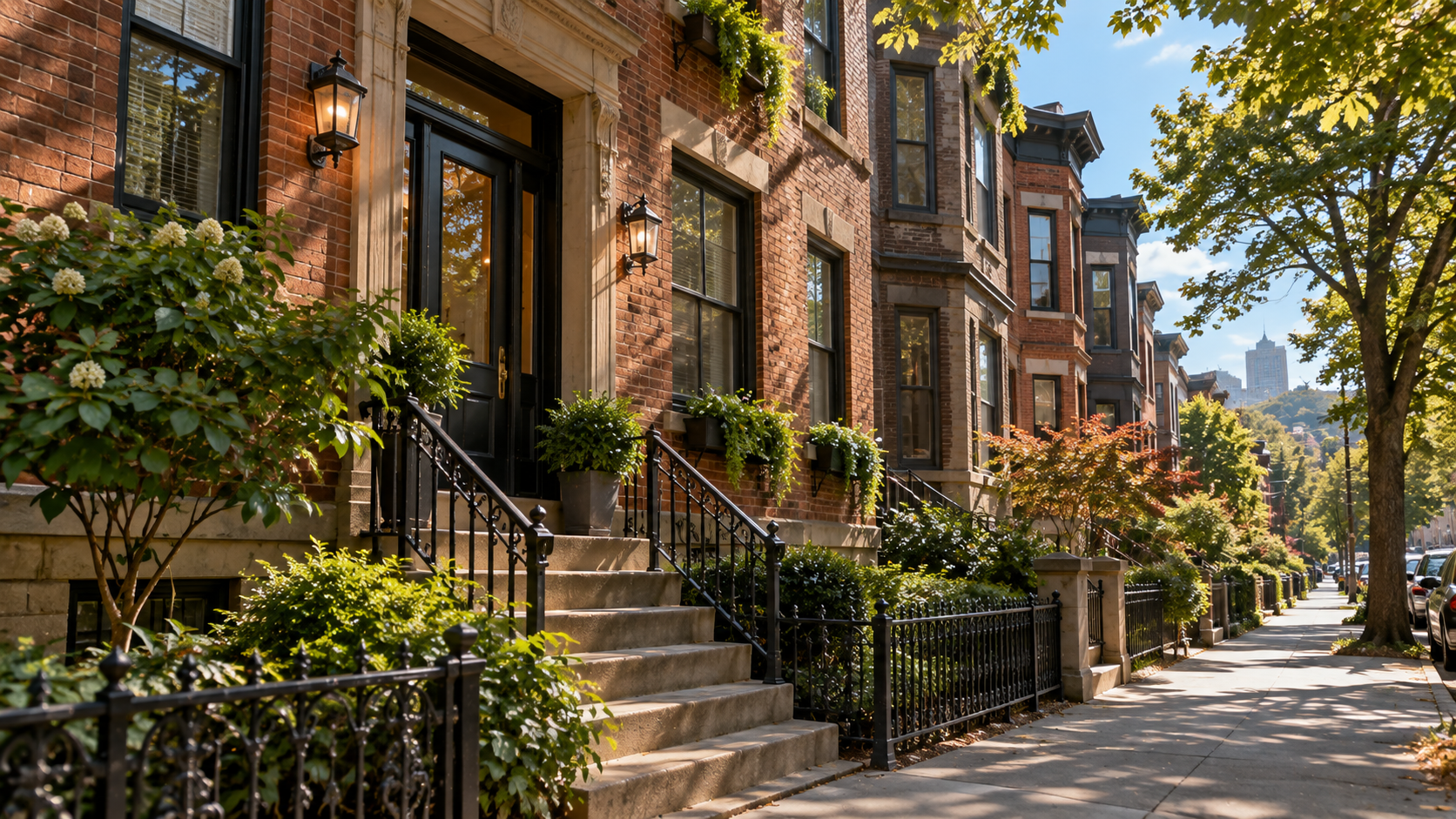
If you live in an older Pittsburgh apartment, chances are you have radiator heat. These cast-iron fixtures are a signature of the city’s historic housing stock, found in countless row houses and apartments in neighborhoods like Squirrel Hill, Shadyside, Lawrenceville, and Bloomfield. Understanding how your radiator system works and how to use it effectively can help you stay comfortable and keep your heating bills under control.
How Radiator Systems Work
Pittsburgh apartments typically have one of two types of radiator systems: steam or hydronic (hot water). Both use a boiler to heat water, but they operate differently.
Steam systems boil water into steam, which rises through pipes to the radiators. These systems can be noisy, with hissing or banging sounds being common. They are less efficient than hydronic systems.
Hydronic systems circulate hot water through a closed loop of pipes. They provide more even, consistent heat and are much quieter. Modern high-efficiency hydronic systems offer significantly better efficiency than older steam systems.
Most older Pittsburgh apartments run on these boiler-based systems, which is why you will find radiators rather than forced-air vents in many units.
Refer a tenant, get $100
Know someone looking for a house or apartment for rent in Pittsburgh? If they sign a lease with us, we pay you $100.
How Radiators Actually Heat Your Apartment
A common misunderstanding is that radiators heat primarily through radiation. In fact, they do most of their work through convection. Cold air is drawn up from the bottom of the radiator, passes over the hot metal surfaces, and rises out warm at the top. This means air needs to flow freely around the radiator for it to work properly.
The way a radiator is painted, covered, or positioned directly affects its output. A thick coat of paint or an enclosed cover can significantly reduce how much heat reaches your room.
Simple Ways to Improve Radiator Performance
Clear the Area Around the Radiator
Furniture, curtains, and clutter block the airflow that radiators rely on. Keep at least 12 to 18 inches of space between the radiator and any large furniture like couches or beds. Avoid leaving curtains hanging over the radiator, as this traps heat and redirects it to the window, causing significant heat loss.
Never place clothes on a radiator to dry. It blocks the airflow and is a fire hazard.
Bleed the Radiator if It Has Cold Spots
If your radiator is warm at the bottom but cool at the top, trapped air is likely the problem. Bleeding the radiator releases that air and restores full heating.
Turn off your heating system before bleeding. You will need a radiator key, which costs only a few dollars. Place the key in the small valve at the top of the radiator. Gently turn it counterclockwise until you hear a hissing sound. Once water starts to drip out, close the valve immediately.
In a hydronic system, this is a simple DIY task. If you have a steam system, it may have automatic air vents that require a different approach.
Use Reflective Foil Behind the Radiator
Placing heat-reflective foil on the wall behind a radiator prevents heat from being absorbed by the wall and instead reflects it back into the room. This is particularly useful for radiators on exterior walls, where heat loss is most significant.
Keep the Radiator Clean
Dust buildup on and between radiator panels impedes heating. A dirty radiator makes your heating system work harder. Use a long, thin radiator duster to clean behind the panels and between the fins regularly.
If a Room Is Too Hot, You Have Options
If your radiator does not have an adjustable valve and your landlord controls the building’s heat, you can still manage the temperature in your room. Partially covering the radiator with a wool blanket will absorb some of the heat. Be cautious, as radiator surfaces can reach high temperatures. Use a wool blanket, which is naturally flame-resistant.
You can also crack a window if the room becomes too warm. This may seem counterintuitive, but it is a practical way to balance an overheated room in a building with a centralized heating system.
Troubleshooting Common Radiator Issues
Cold Radiators on Upper Floors
If radiators on higher floors stay cold, the system pressure may be set too low. Hot water needs sufficient pressure to reach upper levels. This is a boiler issue that your landlord or a professional plumber should address.
Gurgling or Sloshing Noises
Noises in the system often indicate trapped air or, in steam systems, water that is not draining properly. Bleeding a hydronic radiator can often resolve the noise. For steam systems, this may require a professional to check the air vents.
Rust or Corrosion
Visible rust on radiators or pipes weakens the metal and can lead to leaks. Report any rust to your landlord.
When to Contact Your Landlord
You can handle bleeding a radiator and basic cleaning yourself. However, larger issues should go to your landlord or property manager. Call them if:
- A radiator remains completely cold after bleeding
- You see visible leaks or rust on pipes
- You hear loud banging or hissing from the system
- The boiler itself is malfunctioning or making unusual noises
- You have no heat at all
Also, do not attempt to adjust a lockshield valve, which controls the flow of hot water through the radiator. It usually has a plastic or metal cap that prevents accidental adjustment. If you remove this cap and turn the valve, you could unbalance the system.

Renting in the Pittsburgh area?
Ultrarix Capital Partners manages houses and apartments for rent across the Greater Pittsburgh area. Browse what is available now, or learn more about renting with us.
Browse available rentalsHouses and apartments for rent in Pittsburgh
Common questions about renting in Pittsburgh
How do I find houses and apartments for rent in Pittsburgh?
Start on our available rentals page, or see an overview of houses and apartments for rent in Pittsburgh. Tell us your budget and preferred neighborhoods and we will match you with homes that fit.
Which areas around Pittsburgh do you serve?
We cover the Greater Pittsburgh area, including city neighborhoods and nearby communities like Bellevue, McKees Rocks, Penn Hills, and Verona. The full list is on our homepage.
How do I apply for a rental?
Find a home you like on the rentals page and submit an application with your details, income, and rental history. We review it quickly and follow up with next steps.
Are utilities included?
We typically do not include utilities. For most rentals, electric, gas, water, and trash are the tenant's responsibility. Each listing notes anything that is included.
Do you allow pets?
Pet policies vary by property. Some rentals allow pets, sometimes with a deposit or monthly pet rent. Check the listing or ask us about a specific home.
Can I refer someone and get paid?
Yes. If you refer a tenant who signs a lease with us, we pay you $100. See our referral page for details.
How do I contact Ultrarix Capital Partners?
Call +1-650-254-6706 or email [email protected]. We are a Pittsburgh based property management company at 725 School St, McKees Rocks, PA 15136.